


Southern California Wildfires Ignite a Maelstrom of Misinformation, Challenging Authorities and Threatening Public Safety
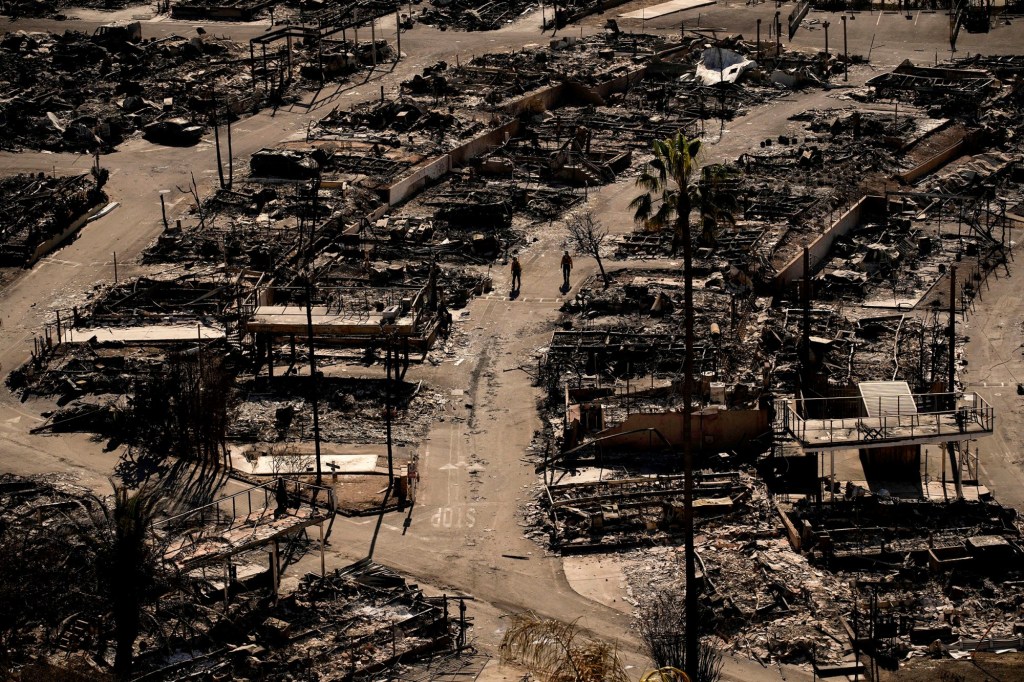
The devastating wildfires that recently ravaged Southern California have not only scorched thousands of acres and claimed lives but have also sparked a wildfire of misinformation spreading rapidly across the internet. This digital inferno of false narratives, conspiracy theories, and outright lies has forced government agencies, from the Federal Emergency Management Agency (FEMA) to the governor’s office and local officials, to divert precious resources from disaster response to combat the proliferation of misleading information. The rise of this misinformation poses a significant threat to public safety, hindering evacuation efforts, fostering distrust in official sources, and potentially endangering lives.
The phenomenon of misinformation accompanying large-scale disasters has become increasingly prevalent in the last decade. Internet trolls, political opportunists, and even foreign actors seeking to destabilize the nation exploit these tragic events to sow chaos and discord, according to Sam Wineburg, an expert in digital literacy. The advent of AI-generated images and text has further exacerbated the problem, empowering individuals to effortlessly create and disseminate deceptive content across social media platforms. The barrier to entry for spreading disinformation has become alarmingly low, regardless of one’s political affiliations or motivations.
Misinformation, whether intentionally crafted or inadvertently shared, capitalizes on the emotional turmoil surrounding disasters. The urgency and fear associated with such events create fertile ground for the rapid dissemination of false narratives. Outrage and heightened emotions often bypass rational thought, leading individuals to share unverified information without pausing to consider its veracity. A simple five-minute pause before hitting the "share" button, Wineburg suggests, could significantly reduce the spread of harmful misinformation.
In response to this deluge of false information, California Governor Gavin Newsom launched CaliforniaFireFacts.com, a website dedicated to debunking the most prevalent rumors and conspiracy theories related to the wildfires. The site addresses a wide range of falsehoods, from fabricated images of the Hollywood sign ablaze to baseless claims linking the fires to satanic rituals and pedophile rings. It also tackles misinformation regarding the impact of budgetary cuts and environmental regulations on firefighting efforts. The website serves as a crucial resource for accurate and reliable information, combating the spread of misleading narratives that erode public trust.
The challenge of combating misinformation during a crisis is immense, as false narratives often proliferate across multiple accounts and platforms. This necessitates a proactive and coordinated approach to counter the spread of misleading information. Building and maintaining public trust in government agencies during emergencies is paramount, as misinformation can undermine confidence in evacuation orders and hinder recovery efforts. Distrust in official sources can have life-or-death consequences.
The recent Southern California wildfires have been fueled by unusually high winds and a dramatic shift from record rainfall to extreme dryness, factors that have intensified the blazes and contributed to their widespread destruction. However, these scientific explanations have not stopped the spread of misinformation, which has taken various forms, including exaggerated reports of damage to local landmarks and fabricated claims about bureaucratic obstacles impeding firefighting efforts. Rumors about private contractors offering expedited reentry permits into evacuation zones further illustrate the deceptive tactics employed to exploit the vulnerable situation of displaced residents.
Much of the circulating misinformation is rooted in kernels of truth, which are then distorted and manipulated to fit specific agendas. For example, critics have attempted to blame the scale of the fires on supposed budget cuts to firefighting resources, both at the state and local levels. However, fact-checking reveals that while initial proposals for wildfire funding may have seen reductions, the final state budget actually allocated more resources than in previous years. Similarly, while the Los Angeles Fire Department’s operating budget did experience a reduction, this figure did not account for increased salary allocations, resulting in a net increase in overall funding. Despite these facts, the narrative of budget cuts continues to circulate, fueling public outrage and undermining confidence in government agencies.
Controversy also surrounds the water supply issues experienced during the early stages of the fires. While hydrants in higher elevations did run dry during peak firefighting demand, rumors about poor maintenance and regional water shortages have proven unfounded. Experts agree that the localized shortages were not unusual, given that municipal water systems are designed for smaller-scale structure fires, not massive wildfires. The state and local water authorities have since deployed numerous water tankers to address the increased demand, and while one reservoir was offline due to drinking water regulations, regional water storage levels remain high. Nevertheless, the issue of water supply has been exploited to spread misinformation and foster distrust.
FEMA has updated its “Common Disaster-Related Rumors” document to address specific misinformation circulating about the Southern California wildfires. The agency aims to clarify eligibility requirements for assistance and debunk false claims that FEMA seizes property from applicants. Ensuring that affected individuals have access to accurate information about available assistance is crucial for promoting recovery efforts and preventing further hardship.
The ease with which misinformation can be created and disseminated contrasts sharply with the time-consuming process of verification and debunking. The urgency of a disaster can lead even well-intentioned individuals to share false information, highlighting the need for improved media literacy and critical thinking skills. The current design of social media platforms, driven by engagement and monetization, unfortunately promotes the spread of misleading content. Influencers seeking to maximize views and engagement are often treated as credible sources, regardless of their actual expertise or credentials.
The emergence of resources like the Watch Duty App offers a glimmer of hope, providing reliable and critical information during emergencies. However, a more systemic solution is needed. Expanding access to digital literacy programs that equip individuals with the skills to discern credible sources from misinformation is essential. Teaching digital literacy is akin to teaching traffic laws – essential knowledge for navigating the online world safely and responsibly. Until then, government agencies and responsible media outlets must continue to actively combat misinformation, providing accurate information and debunking false narratives to protect public safety and maintain public trust during times of crisis.