


The Digital Deluge: Navigating the Murky Waters of Misinformation
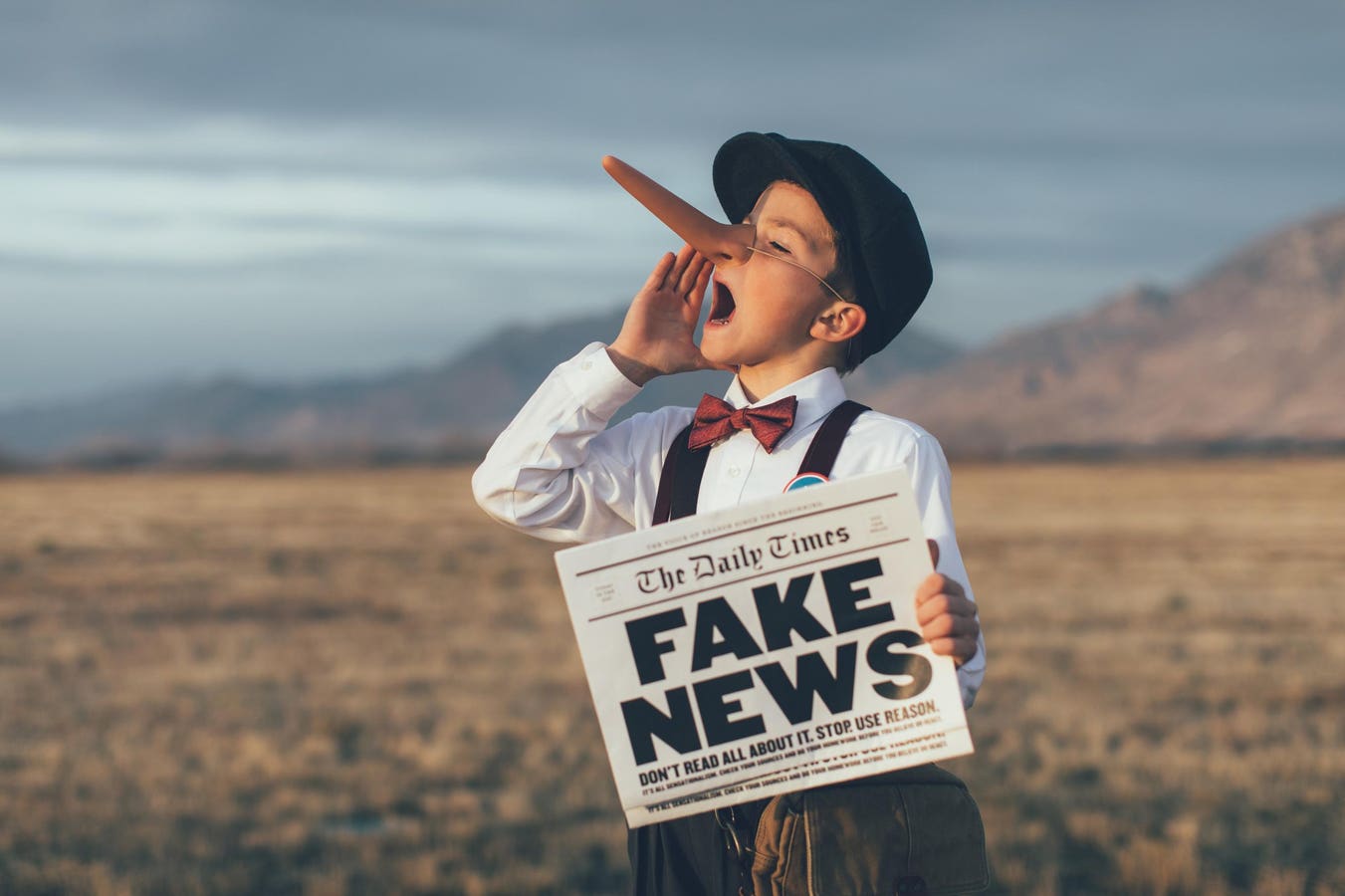
The digital age has ushered in an era of unprecedented information access, but this access comes at a cost. The proliferation of fake news, misinformation, and disinformation online has become a significant challenge, blurring the lines between fact and fiction, and threatening to erode trust in traditional media and institutions. Understanding the nuances between these different forms of misleading information is crucial for navigating the digital landscape. Fiction and fantasy, while often entertaining, can be weaponized through advanced technologies like deepfakes, making it increasingly difficult to distinguish between the real and the fabricated. This blurring of lines has serious implications, extending beyond entertainment and impacting how we consume news, form opinions, and engage in public discourse.
Misinformation vs. Disinformation: Unpacking the Intentional and the Accidental
While both misinformation and disinformation contribute to the spread of false or misleading narratives, a key distinction lies in intent. Misinformation refers to inaccurate information shared without the deliberate intention to deceive, often stemming from misunderstandings or misinterpretations. Disinformation, on the other hand, is intentionally crafted and disseminated to mislead, manipulate, or cause harm. The rise of social media has exacerbated the spread of both, transforming the information ecosystem into a decentralized, unregulated space where anyone can become a publisher. This democratization of information, while potentially empowering, has also created fertile ground for the rapid dissemination of falsehoods and distortions, often amplified by algorithms that prioritize engagement over accuracy.
The Transparency Trap: Strategic Manipulation in the Digital Age
The concept of transparency strategy further complicates matters. In the digital marketplace, businesses can selectively reveal and distort information to gain a competitive edge. This often involves highlighting positive aspects while downplaying or concealing negative ones, creating a skewed perception of reality. Social media platforms, with their targeted advertising and personalized feeds, become powerful tools for implementing such strategies. Consumers, bombarded with tailored content that reinforces their existing biases, become increasingly susceptible to manipulated narratives and selective truths. This erosion of trust in objective information poses a significant threat to informed decision-making in all aspects of life, from consumer choices to political engagement.
The Fight Against Falsehoods: Can We Win the Information War?
The question of whether misinformation and disinformation are here to stay is a pressing one. While optimistic predictions point to a future where informed consumers demand fact-based content, the reality is more complex. The addictive nature of social media, coupled with human overconfidence in our ability to discern truth from falsehood, creates a formidable challenge. Furthermore, social media platforms, driven by profit and engagement, often lack the incentive to effectively combat misinformation. This leaves the burden of combating falsehoods on individuals, educators, and a nascent industry dedicated to developing tools and techniques for identifying and debunking misinformation.
Education: The Long-Term Solution to a Growing Problem
Given the scale and complexity of the problem, technological solutions alone are unlikely to be sufficient. Educating younger generations to become critical consumers of online content is crucial. This involves fostering media literacy skills, encouraging skepticism, and promoting the verification of information from multiple reliable sources. However, even this approach faces hurdles. Research suggests that digital savviness can paradoxically lead to overconfidence in one’s ability to identify fake news. Therefore, education must go beyond simply teaching how to spot misinformation; it must also address the underlying cognitive biases that make us susceptible to it.
The Role of Individuals, Businesses, and Educators in the Fight Against Misinformation
Combating misinformation requires a multi-pronged approach involving individuals, businesses, and educators. Individuals must cultivate a critical mindset, questioning the information they encounter online and seeking out diverse perspectives. Businesses have a responsibility to prioritize ethical transparency and avoid manipulative practices. Educators, meanwhile, play a critical role in equipping future generations with the critical thinking skills and media literacy necessary to navigate the increasingly complex digital information landscape. This is not a short-term battle, but a long-term war that requires ongoing vigilance, adaptation, and a commitment to prioritizing truth and accuracy in the digital age. The stakes are high, as the integrity of our information ecosystem directly impacts our ability to make informed decisions, engage in productive discourse, and function as a healthy society.