


India Grapples with the Double-Edged Sword of AI: A Regulatory Tightrope Walk
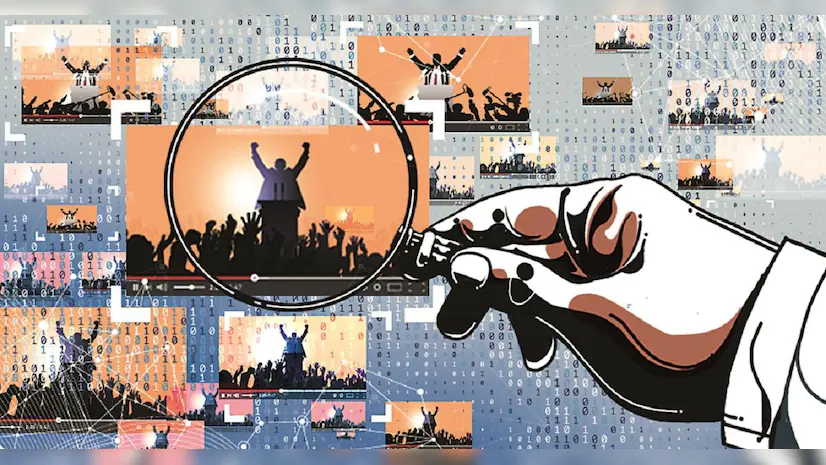
India, a burgeoning economic powerhouse and home to the world’s second-largest population, is experiencing an unprecedented surge in AI adoption. This technological leap, while promising advancements across various sectors, presents a serious challenge: the lack of a cohesive AI regulatory framework. This regulatory void leaves India vulnerable to the insidious spread of misinformation, deepfakes, and manipulated media, jeopardizing public trust, social stability, and the very foundations of democratic processes. The question now becomes: how can India harness the power of AI while mitigating its potential for harm?
The Spectre of AI-Powered Disinformation in Indian Elections
The 2024 Indian general elections offered a stark glimpse into the disruptive potential of AI-generated misinformation. From fabricated audio clips of political figures to deepfake videos depicting actors campaigning for parties, the lines between reality and fabrication blurred, potentially influencing public perception. Even Prime Minister Narendra Modi’s engagement with an AI-generated meme video of himself, while intended as light-hearted, inadvertently highlighted the ease with which such content can be created and disseminated. This incident, juxtaposed with warnings from law enforcement about similar deepfakes, underscores the urgency of addressing this issue. While some arrests were made under existing criminal laws, these measures prove inadequate in the face of rapidly evolving AI technology.
Navigating the Regulatory Labyrinth: India’s AI Policy Landscape
India currently lacks a comprehensive AI policy. Existing legislation, such as the Information Technology Act of 2000 and the relatively recent Digital Personal Data Protection Act of 2023, address some aspects of data misuse but fall short of providing a robust framework for regulating AI-generated content. While policy documents like NITI Aayog’s National Strategy for Artificial Intelligence offer a roadmap, they lack the teeth of enforceable legislation. This regulatory gap creates uncertainty and allows malicious actors to exploit AI technologies with impunity. The debate within India regarding the need for a dedicated AI law continues, with concerns about stifling innovation pitted against the urgent need to protect fundamental rights and ensure accountability.
Combating the Deluge of Fake News: A Multi-Pronged Approach
Tackling the proliferation of AI-generated fake news requires a multifaceted strategy. Transparency and accountability are paramount. Political campaigns and officials must disclose their use of AI, including algorithms, data sources, and intended objectives. Independent oversight bodies should be established to monitor the use of AI in elections, enforce ethical guidelines, and investigate potential violations. Simultaneously, widespread public awareness campaigns are crucial to equip citizens with the critical thinking skills needed to identify and discern manipulated media. Investing in fact-checking organizations and collaborating with media outlets can further amplify efforts to counter misinformation.
Technological Solutions and Regulatory Frameworks: A Delicate Balance
Technological interventions play a vital role in combating AI-generated fakery. Developing and deploying AI tools that can detect and flag synthetic content is crucial. Implementing widespread use of watermarks and labels for AI-generated media can help distinguish authentic content from fabricated information, thereby fostering greater trust in information sources. However, technology alone is insufficient. Robust regulatory frameworks are needed to address the gaps in existing laws and provide a clear legal framework for dealing with AI-generated misinformation. This requires a balanced approach that encourages innovation while safeguarding against misuse.
Towards a Future-Ready AI Governance Framework: Collaboration and Proactive Regulation
India urgently needs a dedicated AI governance body, independent from existing entities like MeitY. This body should be empowered to establish comprehensive AI guidelines, monitor the use of AI across all sectors, including government applications, and proactively address emerging challenges. This independent oversight is essential to ensure that the government’s use of AI, while potentially beneficial for data analysis and other purposes, does not infringe upon civil liberties or stifle dissent. Furthermore, fostering multi-stakeholder collaboration is crucial. AI companies must embrace self-regulation and ethical development practices, while governments, tech firms, researchers, and civil society organizations should work together to develop effective and scalable solutions. This collaborative approach, coupled with proactive regulation, is essential for navigating the complexities of the AI landscape and ensuring that this powerful technology serves humanity’s best interests. India’s success in this endeavor will not only determine its own future but also serve as a critical example for other nations grappling with the challenges of AI governance.