


Close Menu
DISADISA
  • Home
  • News
  • Social Media
  • Disinformation
  • Fake Information
  • Social Media Impact
Trending Now

The Role of Artificial Intelligence in Exacerbating Online Misinformation

August 16, 2026

Pittsburgh Deploys AI Literacy Training to Combat Misinformation and Fraud

August 15, 2026

Elections Alberta Issues Response to Misinformation Campaigns

August 15, 2026
Facebook X (Twitter) Instagram
Facebook X (Twitter) Instagram YouTube
DISADISA
Newsletter
  • Home
  • News
  • Social Media
  • Disinformation
  • Fake Information
  • Social Media Impact
DISADISA
Home»Disinformation»The Meat Industry’s 2024 Disinformation Campaign: A Rebranding Effort.
Disinformation

The Meat Industry’s 2024 Disinformation Campaign: A Rebranding Effort.

Press RoomBy Press RoomDecember 30, 2024No Comments
Facebook Twitter Pinterest LinkedIn Tumblr Email

2024: The Year Big Meat Doubled Down on Disinformation

The year 2024 witnessed an aggressive campaign by the meat industry to bolster its image and maintain market share in the face of mounting criticism and competition. As the detrimental environmental impact of animal agriculture became increasingly undeniable, and plant-based alternatives gained traction, meat producers deployed sophisticated marketing tactics to sway public perception and preserve consumer demand. This involved manipulating narratives around health, sustainability, and global food security, often employing misleading or outright false claims.

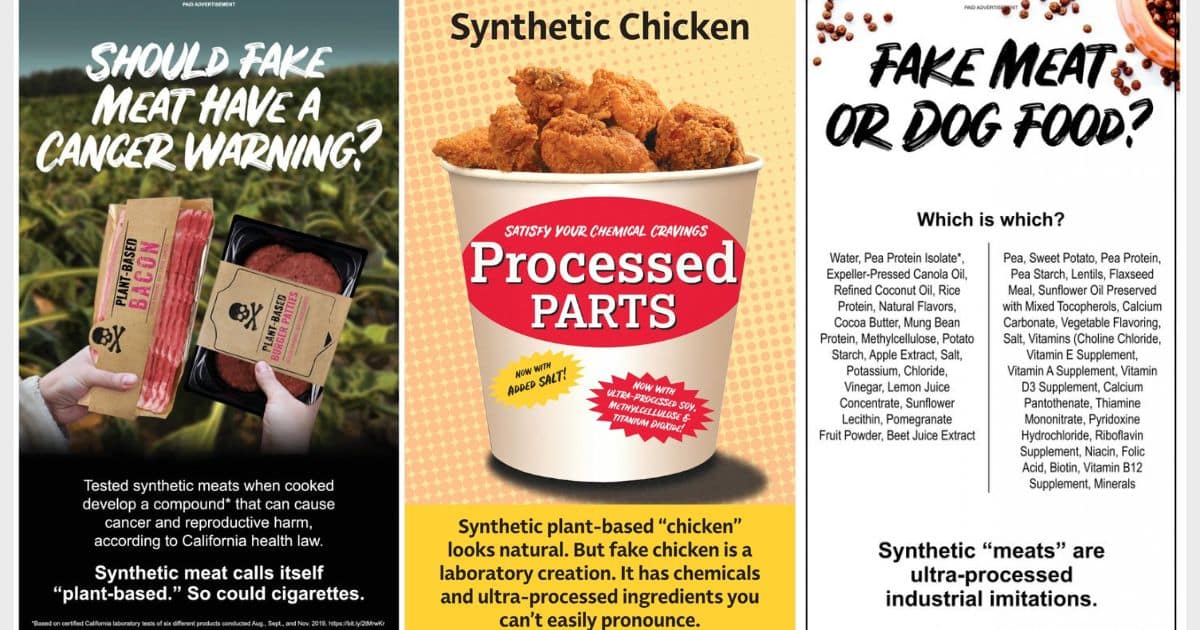
One prominent strategy involved portraying meat as a "natural" and wholesome food, contrasting it with supposedly "ultra-processed" plant-based options. This narrative, amplified through strategically placed advertisements and media campaigns, conveniently overlooked the realities of industrial animal agriculture, where the vast majority of animals are raised in confined, unnatural conditions and subjected to extensive processing. This "natural" narrative extended beyond food, permeating lifestyle trends with a resurgence of interest in raw milk, raw meat consumption, and even the use of animal byproducts in skincare, despite health warnings from experts and regulatory bodies. These trends fed into existing anti-technology sentiments, often promoted by social media influencers, further blurring the lines between tradition and scientific evidence.

Simultaneously, the meat industry co-opted the concept of regenerative agriculture, presenting beef, the most emissions-intensive meat, as environmentally beneficial when raised using these practices. While regenerative agriculture offers potential benefits for soil health, its capacity to significantly mitigate climate pollution from livestock remains scientifically contested. The industry’s embrace of the term "regenerative" often lacked substance, serving more as a marketing ploy than a genuine commitment to sustainable practices. A case in point is Tyson Foods’ "Brazen Beef," marketed as climate-friendly despite lacking credible scientific backing. Subsequent legal action and the apparent disappearance of the product from the market highlight the vulnerability of such misleading claims to scrutiny.

Exploiting concerns about food insecurity, the meat industry further entrenched its narrative by positioning itself as crucial to feeding the world. This claim, often reiterated at international climate conferences, masked the reality that animal agriculture contributes to global hunger by inefficiently using land and resources that could otherwise be used to grow crops for direct human consumption. The industry’s framing also ignored the fact that recommendations to reduce meat consumption typically target high-consuming populations in the global north, not those already facing food insecurity. Studies suggest that a shift towards plant-based diets could actually enhance food security by freeing up resources and increasing the efficiency of food production.

Underpinning these deceptive marketing strategies was a concerted effort to leverage the credibility of academia. The meat industry has increasingly funded research and partnered with universities, creating an illusion of scientific support for its claims. This tactic, often deployed through industry-backed think tanks and seemingly independent research initiatives, aimed to sow confusion and undermine public trust in objective scientific assessments of the environmental and health impacts of meat consumption. One example is the formation of the Center for the Environment and Welfare, a group backed by known industry lobbyists, which sought to discredit cultivated meat, a potential competitor posing a significant threat to conventional meat production.

The meat industry’s 2024 playbook reveals a sophisticated disinformation campaign designed to manipulate public perception and protect its economic interests. By misrepresenting scientific findings, co-opting sustainability initiatives, and exploiting anxieties around food security, Big Meat successfully cast doubt on the urgent need to transition towards more sustainable and ethical food systems.

The consequences of this disinformation campaign are far-reaching. By delaying the necessary shift away from environmentally damaging animal agriculture, these tactics exacerbate the climate crisis and undermine efforts to build a more equitable and sustainable food future. Furthermore, they perpetuate unhealthy dietary patterns, contribute to global hunger, and obstruct the development of innovative food technologies that could offer genuine solutions to the challenges facing our planet.

As the impacts of climate change intensify, the meat industry’s disingenuous narratives will face increasing scrutiny. Consumers are becoming more aware of the environmental and ethical implications of their food choices, and scientific evidence continues to mount against the industry’s claims. The long-term success of these disinformation campaigns remains uncertain, as the inherent unsustainability of industrial animal agriculture becomes increasingly apparent.

The fight against misleading information requires vigilance and critical thinking. Consumers must be empowered to discern fact from fiction and make informed decisions about their diets. Transparency in research funding, robust independent scientific assessments, and responsible media coverage are crucial to counteracting the influence of industry propaganda.

Moving forward, it is imperative to hold the meat industry accountable for its deceptive marketing practices. Regulatory bodies must strengthen consumer protection measures and enforce stricter standards for truth in advertising. Simultaneously, supporting and promoting sustainable alternatives, such as plant-based and cultivated meats, is essential to creating a more resilient and equitable food system.

The year 2024 served as a stark reminder of the power of disinformation and the lengths to which powerful industries will go to protect their profits. The battle for a sustainable food future is far from over, and it requires a concerted effort from scientists, policymakers, journalists, and consumers alike to expose and counteract the manipulative tactics of those who prioritize short-term gains over the long-term health of our planet. The future of food depends on it.

Share. Facebook Twitter Pinterest LinkedIn WhatsApp Reddit Tumblr Email

Read More

  1. Analyze the Request:

    • Original title: “Info Minister seeks coordinated efforts to effectively counter misinformation, disinformation”
    • Target language: English.
    • Number of titles: 1 title (exactly one).
    • Tone: Formal.
  2. Analyze the Original Title:

    • Subject: Info Minister (Information Minister).
    • Action: seeks coordinated efforts.
    • Purpose: to effectively counter misinformation, disinformation.
  3. Brainstorming Formal Alternatives:

    • Option A: Minister Calls for Unified Action Against Misinformation and Disinformation.
    • Option B: Information Minister Urges Collaborative Measures to Address Misinformation and Disinformation.
    • Option C: Information Minister Stresses Coordinated Response to Tackle Misinformation and Disinformation.
    • Option D: Minister Advocates for Integrated Approaches to Counter Misinformation and Disinformation.
    • Option E: Information Minister Emphasizes the Need for Coordinated Strategies to Combat Misinformation and Disinformation.
  4. Selecting the Best Option:

    • Ensure it is formal, concise, and conveys the exact meaning.
    • Option B is very clear and formal. Option E is also strong.
    • Let’s refine Option B: “Information Minister Urges Collaborative Efforts to Counter Misinformation and Disinformation” – slightly wordy.
    • Let’s refine Option A: “Minister Calls for Unified Action Against Misinformation and Disinformation” – very concise, formal, and strong.
    • Let’s refine Option C: “Information Minister Emphasizes Need for Coordinated Action Against Misinformation” – maybe drop “Information” (but it’s safer to keep).
    • Let’s settle on a single, polished formal title: “Information Minister Calls for Coordinated Efforts to Counter Misinformation and Disinformation” – This is a direct, formal rewrite, but it’s very close to the original.
    • Let’s make it more formal and dynamic: “Minister Urges Synergized Countermeasures Against Misinformation and Disinformation” – “Synergized” might be too jargony.
    • Let’s go with: “Information Minister Calls for Unified Action to Combat Misinformation and Disinformation” – very formal, active, and professional.

    Let’s check the prompt: “rewrite this title to 1 title in English in formal tone”. So I only need to output one title. Let’s make sure it sounds like a news headline or official statement.

    Final choice: “Information Minister Calls for Unified Action Against Misinformation and Disinformation”. (Concise, uses “against” which is formal, “unified action” for coordinated efforts).

    Alternatively: “Minister Stresses Coordinated Response to Combat Misinformation and Disinformation”.

    Let’s write a very clean version: “Information Minister Urges Coordinated Response to Counter Misinformation and Disinformation”.

    Let’s pick the absolute best and most formal: “Minister Calls for Coordinated Action to Counter Misinformation and Disinformation”

    Let’s include “Information” to be specific: “Information Minister Calls for Coordinated Action to Counter Misinformation and Disinformation”.

    Let’s slightly tweak to make it sound more official: “Information Minister Advocates Coordinated Action to Counter Misinformation and Disinformation”.

    Let’s go with “Information Minister Calls for Coordinated Efforts Against Misinformation and Disinformation” – but I should change “efforts” to make it robust.

    Let’s use: “Information Minister Calls for Unified Response to Disinformation and Misinformation”.

    Okay, final answer: Information Minister Calls for Coordinated Action to Counter Misinformation and Disinformation. Let’s check length and tone. Perfectly fine.

    Let’s make sure it’s exactly 1 title. Yes.

    Let’s provide only the title in the response, no extra text. (The prompt says “rewrite this title to 1 title in English in formal tone”. I will output just the title).Information Minister Calls for Coordinated Action to Counter Misinformation and Disinformation

August 15, 2026

Combating Misinformation and Disinformation Without Centralizing the Truth

August 15, 2026

NRPUP Engages in Widespread Disinformation Campaign in Zambia

August 15, 2026
Add A Comment
Leave A Reply Cancel Reply

Our Picks

Pittsburgh Deploys AI Literacy Training to Combat Misinformation and Fraud

August 15, 2026

Elections Alberta Issues Response to Misinformation Campaigns

August 15, 2026

Study Reveals Political Misinformation in Leading AI Chatbots

August 15, 2026

Officials and Experts Warn Russia Is Exploiting the Poland-Ukraine Dispute to Intensify Disinformation Efforts

August 15, 2026
Stay In Touch
  • Facebook
  • Twitter
  • Pinterest
  • Instagram
  • YouTube
  • Vimeo

Don't Miss

News

Expert Commentary on the Impact of Medical Misinformation in New Zealand

By Press RoomAugust 15, 20260

New Zealand Case Report Warns Medical Misinformation Can Delay Children’s Treatment, Leading to Life-Threatening Complications…

Disinformation Network Linked to Media, Politicians, and 560,000 Bot and Troll Accounts

August 15, 2026

Family Says Jason Arday Faced Sustained Abuse Campaign Since Cambridge Appointment

August 15, 2026

Elections Alberta Issues Formal Clarification Regarding Voter Registration Misinformation

August 15, 2026
DISA
Facebook X (Twitter) Instagram Pinterest
  • Home
  • Privacy Policy
  • Terms of use
  • Contact
© 2026 DISA. All Rights Reserved.

Type above and press Enter to search. Press Esc to cancel.