


The Rise of Social Media and its Impact on Physical Activity: A Comprehensive Review
The intersection of social media and physical activity has become a significant area of research in recent years, fueled by the global rise in social media usage and the concurrent public health crisis of physical inactivity. Traditional theories of attitude and behavior change, like those proposed by Droba and Thurstone, provide a foundation for understanding how individuals form opinions and make decisions about their health. However, the advent of social media introduces a new layer of complexity, offering both opportunities and challenges in promoting healthy lifestyles. This article explores the evolving relationship between social media and physical activity, examining the theoretical frameworks, empirical evidence, and potential implications for health promotion.
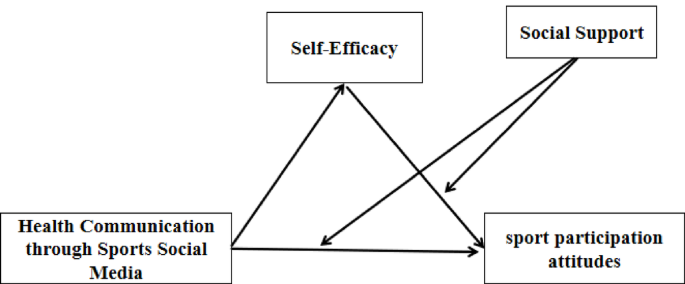
The pervasiveness of physical inactivity, as highlighted by Kohl et al. and Lee et al., underscores the urgent need for effective interventions. Social ecological models, like the one applied by Fleury and Lee to African American women, emphasize the interplay of individual, social, and environmental factors in shaping health behaviors. Social media, as a powerful social and environmental influence, can significantly impact exercise attitudes and behaviors. Research suggests that exposure to fitness-related content on platforms like YouTube and Instagram can increase exercise self-efficacy, intentions, and actual physical activity levels, particularly among young adults. This influence can be attributed to various factors, including the vicarious learning and modeling effects described by Bandura’s social cognitive theory, the motivational power of social comparison, and the readily accessible social support found within online fitness communities.
Social cognitive theory (SCT), a cornerstone of health behavior change research, posits that self-efficacy, outcome expectations, and social support are key drivers of behavior. Olander et al.’s meta-analysis and Young et al.’s systematic review demonstrate the robust relationship between self-efficacy and physical activity. Social media can play a pivotal role in enhancing self-efficacy by providing access to role models, expert advice, and peer encouragement. Furthermore, studies have shown that publicly sharing exercise achievements on social media can further boost self-efficacy and contribute to a sense of well-being, as explored by Kashian and Liu.
The concept of social support has also evolved in the digital age. While traditional forms of social support remain important, online social networks offer new avenues for connecting with like-minded individuals, sharing experiences, and receiving encouragement. Studies by Molloy and Yasin demonstrate the positive link between social support and physical activity adherence. Social media platforms can foster a sense of community and belonging, facilitating the formation of social bonds and reducing feelings of isolation, which can be particularly beneficial for individuals struggling to maintain an active lifestyle. Online fitness communities offer a convenient and readily accessible source of support, providing motivation and accountability.
Media richness theory, proposed by Daft and Lengel, suggests that different media formats vary in their capacity to convey information and facilitate interaction. Social media, with its multimedia capabilities and interactive features, offers a rich environment for health communication. Studies exploring the effectiveness of social media-based interventions have yielded promising results, demonstrating significant increases in physical activity levels compared to control groups. Hayes’s research highlights the potential of social media for inspiring physical activity, particularly during challenging times like the COVID-19 pandemic. However, it’s crucial to acknowledge the potential pitfalls of social media, such as the spread of misinformation and the potential for negative social comparison.
Several studies have investigated the influence of social media on specific demographics. Research on adolescents has revealed complex relationships between social media use, sports participation, and well-being. While some studies suggest positive correlations, others caution against the potential for negative impacts on body image and mental health, particularly among young women. Similarly, research on college students has explored the interplay of social media, sports participation, social support, and psychological well-being. These studies underscore the importance of considering individual differences and contextual factors when examining the relationship between social media and physical activity.
The impact of social media on health behaviors is a multifaceted phenomenon. The inherent characteristics of social media platforms, the type of content consumed, and the individual’s motivations and pre-existing beliefs all contribute to the overall effect. Future research should focus on understanding the mechanisms through which social media influences physical activity, identifying best practices for designing effective interventions, and addressing potential negative consequences such as the spread of misinformation and unhealthy body image ideals. It’s also essential to investigate the long-term sustainability of social media-based interventions and the potential for integrating these platforms into broader public health strategies.
Furthermore, exploring the role of eHealth literacy and social media self-efficacy is crucial for maximizing the positive impact of social media on health promotion. Individuals need to be equipped with the skills and knowledge to navigate the complex online health information landscape and critically evaluate the credibility of sources. Moreover, understanding how individual differences in self-efficacy related to social media use influence health behavior adoption and maintenance is vital. Tailoring interventions based on these factors can enhance their effectiveness and reach.
Ultimately, harnessing the power of social media for health promotion requires a nuanced approach that recognizes both the benefits and risks. By addressing the challenges and leveraging the opportunities presented by these platforms, we can move closer to achieving the goal of increasing physical activity levels and improving public health.
The vast body of research examined in this review strongly suggests that social media can be a potent tool for promoting physical activity. The ability to connect with others, share experiences, and access a wealth of information makes social media an ideal platform for fostering positive health behaviors. However, more research is needed to understand the optimal ways to leverage social media’s potential while mitigating its potential downsides.
Further research could investigate the role of different social media platforms in promoting specific types of physical activity. For example, platforms like Instagram, with their visual focus, might be particularly effective for promoting activities like yoga or weightlifting, while platforms like Twitter might be better suited for promoting group activities like running or cycling. Additionally, research could focus on developing tailored social media interventions for different demographic groups, taking into account their unique needs and preferences.
Finally, future investigations should consider the ethical implications of using social media for health promotion. Issues related to privacy, data security, and the potential for manipulation need to be carefully addressed to ensure the responsible and ethical use of these powerful tools.
By continuing to explore the complex relationship between social media and physical activity, we can gain valuable insights into how to best utilize these platforms to promote healthy lifestyles and combat the global pandemic of physical inactivity.
The integration of social media into public health interventions represents a significant paradigm shift in health promotion. As technology continues to evolve, so too will the ways in which we can leverage its power to improve public health. By embracing a multidisciplinary approach that combines insights from psychology, communication, technology, and public health, we can unlock the full potential of social media as a catalyst for positive change and create a healthier future for all. The continued exploration of this rapidly evolving field holds immense promise for transforming the landscape of health promotion and empowering individuals to take control of their well-being.
The future of public health interventions may well lie in the strategic utilization of social media platforms. By understanding the nuances of online social interactions and tailoring interventions to specific audiences and contexts, we can