


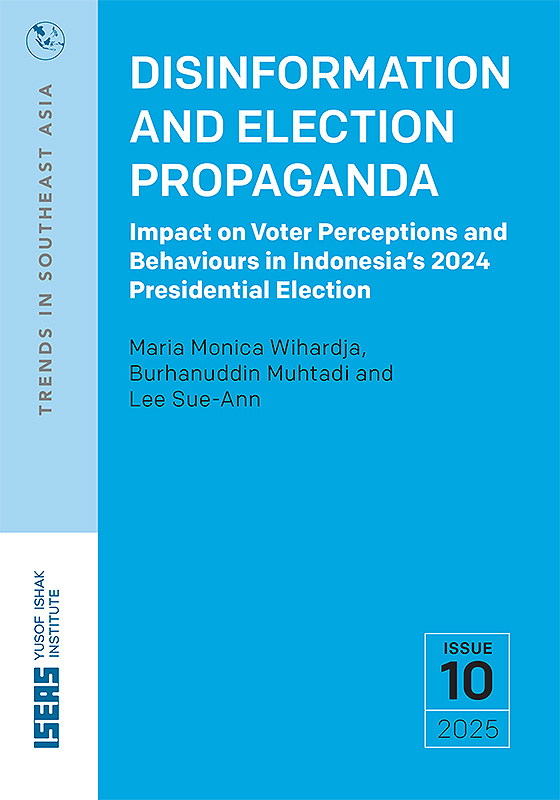
The Indonesian Electorate Navigates a Sea of Information: Social Media’s Impact on the 2024 Presidential Election
Indonesia’s 2024 presidential election unfolded amidst a complex interplay of traditional and digital information channels, presenting voters with a diverse range of perspectives, narratives, and, unfortunately, disinformation. A new study delves into the impact of social media election campaigning, disinformation, and propaganda on voter perceptions and behaviors, revealing a nuanced relationship between online content and electoral choices. The research examines the influence of social media platforms and messaging apps, assessing voters’ trust levels in these mediums and exploring their susceptibility to misleading narratives.
The study’s findings reaffirm the enduring power of traditional media, with television consistently ranking among the top sources of election-related news across demographic groups. Direct conversations with friends and family also held significant weight, underscoring the continued importance of interpersonal communication in shaping political opinions. However, the digital sphere also played a prominent role, with WhatsApp emerging as the second most popular source of information across all demographics. This highlights the platform’s pervasive reach and its role as a key channel for political discourse in Indonesia. Interestingly, a generational divide emerged in media consumption habits, with younger voters (15-24 years old) demonstrating a distinct preference for TikTok as their primary source of election news, followed by WhatsApp, television, and Instagram. This suggests that platforms like TikTok are becoming increasingly important avenues for political engagement among the youth.
Despite the popularity of social media as a source of information, the study reveals a crucial distinction between consumption and trust. Across all demographics, social media platforms received relatively low trust scores compared to television and direct conversations. Even among younger voters who heavily rely on platforms like TikTok, trust levels remained comparatively low, with TikTok ranking tenth out of fifteen mediums in terms of trustworthiness. This discrepancy suggests a degree of media literacy among Indonesian voters, who appear to be aware of the potential for misinformation and disinformation on social media platforms. This cautious approach reflects a broader understanding of the limitations and potential biases inherent in online content.
While the study’s findings indicate a degree of resilience to online misinformation and propaganda, the threat posed by these tactics cannot be dismissed. The proliferation of fake news and manipulated content, including increasingly sophisticated deepfakes, raises concerns about the potential for manipulating public opinion and undermining the integrity of the electoral process. However, the study demonstrates that the impact of these tactics is more complex than simply exposing voters to false narratives. The research suggests that strongly committed supporters of a particular candidate display a remarkable resistance to disinformation campaigns targeting their preferred choice. This resilience is attributed to a phenomenon known as confirmation bias, where individuals tend to accept information that aligns with their existing beliefs and reject information that contradicts them.
Even among "swing voters"—those who are undecided or not firmly committed to a particular candidate—mere exposure to disinformation or propaganda does not guarantee a shift in voting preferences. The study indicates that for these voters, changes in beliefs regarding specific propaganda narratives are more significant than simply encountering the narratives themselves. In other words, it is not enough to expose swing voters to misinformation; the misinformation must successfully alter their underlying beliefs about a candidate to influence their voting decisions. This finding underlines the importance of understanding how narratives resonate with individuals and how they can shape perceptions of political figures and their platforms.
In conclusion, the study paints a complex picture of the Indonesian electorate navigating the information landscape in the lead-up to the 2024 presidential election. While traditional media and interpersonal communication continue to hold significant sway, social media platforms have undeniably become integral to the political process. However, Indonesian voters appear to approach online information with a degree of caution, exhibiting awareness of the potential for misinformation and demonstrating resilience to manipulation. The study highlights the importance of assessing not just exposure to disinformation, but also the impact of that exposure on individual beliefs, particularly among swing voters. This research offers valuable insights into the evolving dynamics of political communication in the digital age and emphasizes the need for ongoing efforts to promote media literacy and combat the spread of misinformation. The book detailing this research, focusing on the role of the press in this election, will be available for purchase from May 30, 2025.