


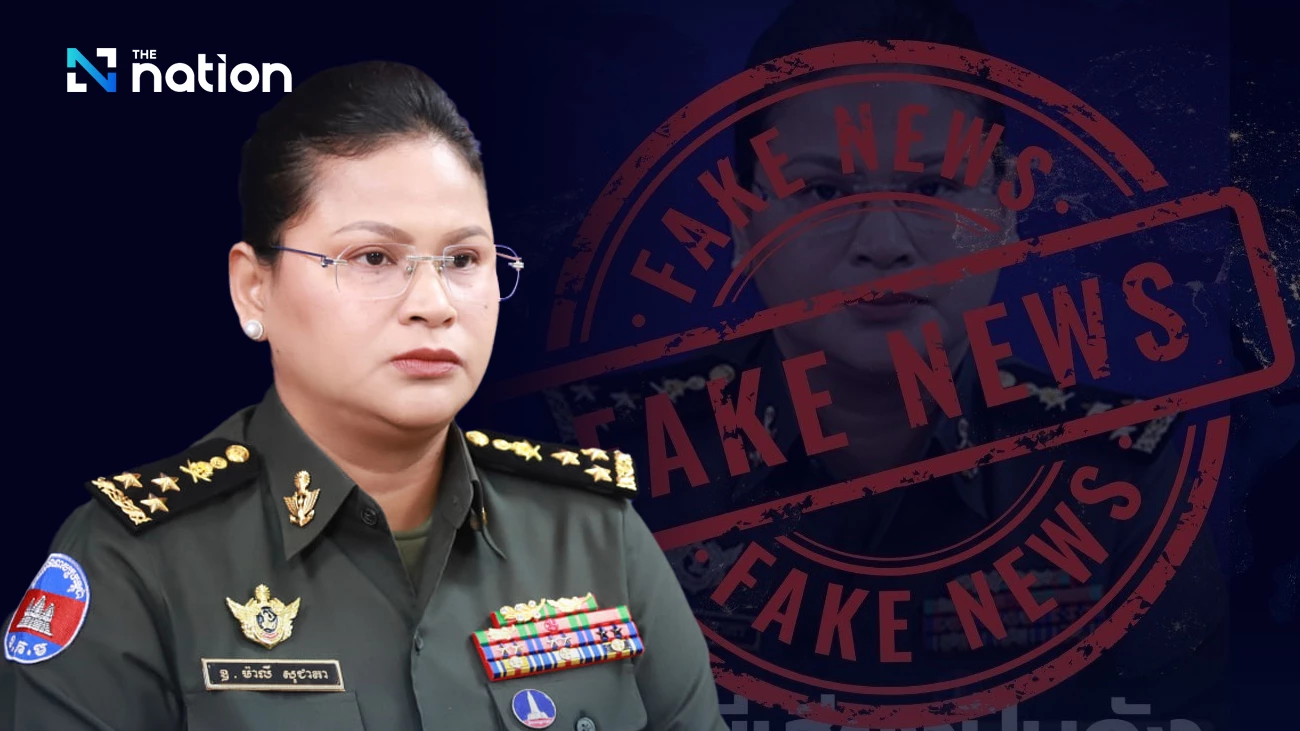
Thailand Rejects False Accusations of Atrocities Against Cambodian Troops Amidst Border Tensions
Bangkok – The Thai government has vehemently denied accusations circulating on social media alleging that Thai soldiers committed atrocities against Cambodian troops during recent border clashes. Deputy government spokeswoman Sasikan Wattanachan addressed the issue directly, labeling the online posts as “fake news” and part of a deliberate disinformation campaign aimed at escalating tensions between the two neighboring countries. She emphasized that such fabricated narratives serve only to incite hatred and undermine the longstanding relationship between the Thai and Cambodian people. Wattanachan reiterated Thailand’s commitment to upholding humanitarian principles and international law in all military operations, underscoring that the actions of Thai soldiers are strictly governed by a comprehensive code of conduct.
The recent border clashes, the specifics of which remain shrouded in conflicting reports, have sparked a wave of misinformation and propaganda across various online platforms. Both sides have accused the other of instigating the violence, with claims and counterclaims adding to the complexity of the situation. The proliferation of fake news, often accompanied by manipulated images and videos, further complicates efforts to establish a clear and accurate understanding of the events on the ground. The Thai government’s strong denial of the atrocity allegations underscores the critical need for verified information and responsible reporting amid heightened regional tensions.
Wattanachan highlighted Thailand’s adherence to international humanitarian standards in its treatment of captured Cambodian soldiers. She confirmed that wounded Cambodian troops apprehended during the border skirmishes received proper medical care before being repatriated through the Chong Chom border checkpoint in Surin province. The government spokeswoman emphasized the transparency and accountability of the handover process, stating it was conducted with respect for the dignity of the captured personnel. This commitment to humanitarian principles, according to Wattanachan, reflects Thailand’s dedication to upholding the laws of war and ensuring the humane treatment of all individuals, even during times of conflict.
The ongoing border dispute between Thailand and Cambodia has its roots in a complex history of territorial claims and unresolved demarcation issues. While both countries have engaged in diplomatic efforts to address these longstanding challenges, sporadic clashes have punctuated the fragile peace. The recent escalation of tensions underscores the persistent difficulties in achieving a lasting resolution to the border disagreements. Experts suggest that effective communication, sustained diplomatic engagement, and a commitment to peaceful conflict resolution are crucial for preventing further escalation and establishing long-term stability in the region.
The dissemination of false information and inflammatory rhetoric on social media platforms poses a significant challenge to diplomatic efforts aimed at de-escalating tensions. The rapid spread of unverified claims and manipulated content can exacerbate existing mistrust and fuel animosity between communities on both sides of the border. Addressing the issue of online disinformation requires a multi-pronged approach involving government agencies, social media companies, and civil society organizations. Promoting media literacy, fact-checking initiatives, and responsible online behavior are essential components of countering the spread of fake news and mitigating its potential to further inflame an already volatile situation.
The Thai government’s categorical rejection of the atrocity allegations and its emphasis on humanitarian principles represent an important step towards de-escalating tensions and fostering a more constructive dialogue. However, the ongoing border dispute requires a sustained commitment from both Thailand and Cambodia to engage in meaningful negotiations and find common ground. The international community can play a crucial role in supporting these diplomatic efforts and promoting a peaceful resolution to the longstanding border disagreements. Ultimately, fostering lasting peace and stability in the region requires a commitment to truth, transparency, and a shared vision for a future free from conflict and mistrust.