


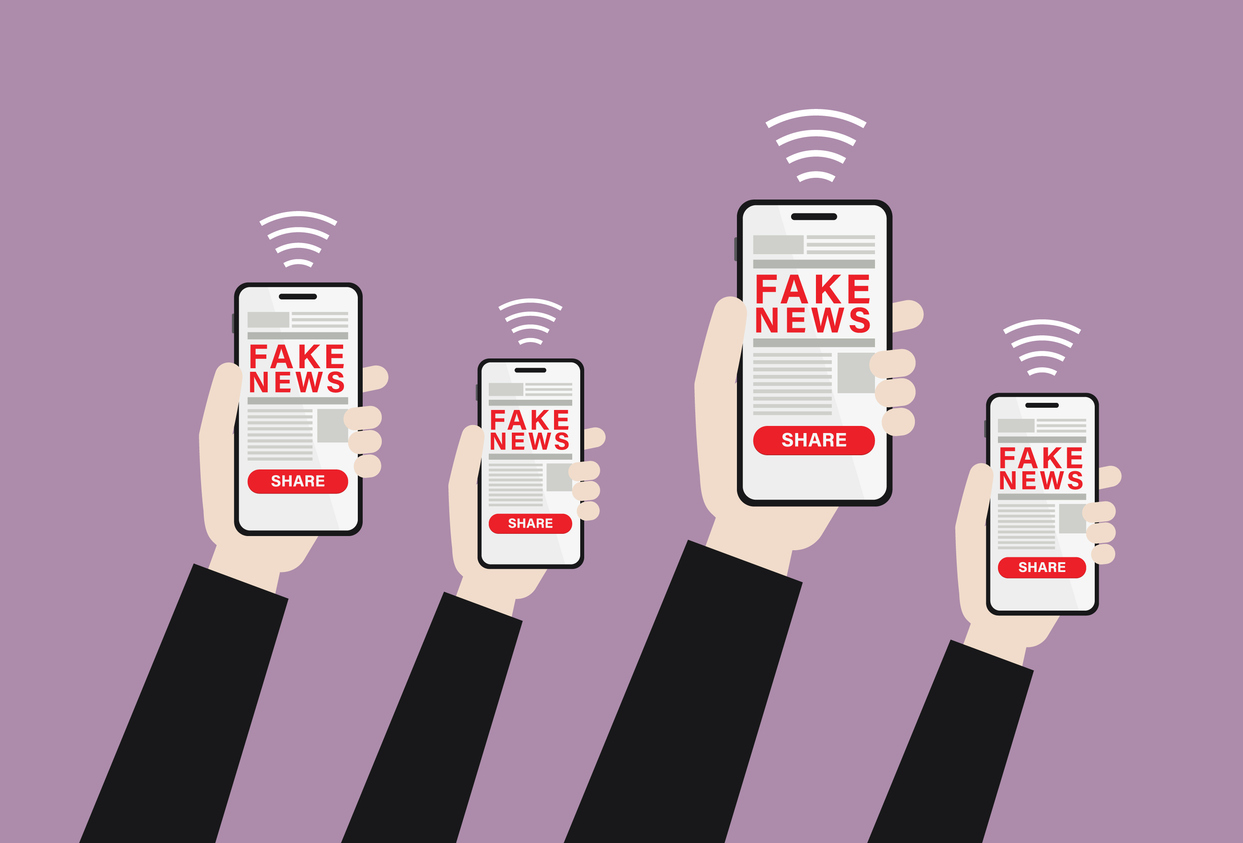
The Rising Tide of Misinformation: A Challenge for Communicators in the Digital Age
In today’s interconnected world, the proliferation of misinformation poses a significant challenge to communicators and the public alike. While technological advancements have undoubtedly accelerated the spread of false information, the root cause lies in human behavior, not technology itself. As the Public Relations Society of America (PRSA) emphasizes in its special report, "Tackling Misinformation: The Communications Industry Unites," misinformation is a human issue that predates the digital age and would persist even without the internet. Understanding the nuances of misinformation, disinformation, and malinformation is crucial for effectively combating this pervasive problem.
Misinformation, as defined by the PRSA, refers to the unintentional spread of false or inaccurate information by someone who is poorly informed or misinformed. It’s an error, not a malicious act. Disinformation, on the other hand, is the deliberate creation and dissemination of false information with the intent to deceive and cause harm. This is a calculated strategy often employed for political gain, to damage reputations, or to manipulate public opinion. Finally, malinformation involves the use of truthful information that is taken out of context, exaggerated, or manipulated to inflict harm. This might include leaking private information or sharing authentic documents with misleading interpretations. Recognizing these distinct categories is essential for developing tailored strategies to address the specific nature of the false information.
Combating the spread of misinformation requires a multi-pronged approach that begins within organizations. Internal clarity and consistent messaging are paramount. All employees, from top-level executives to entry-level staff, must be on the same page and understand how to communicate key messages accurately. This can be achieved through readily accessible messaging documents and regular training sessions that reinforce key narratives and address potential misconceptions.
Furthermore, rigorous fact-checking and source verification are non-negotiable. The MIT study demonstrating the faster spread of false news on social media platforms like X (formerly Twitter) underscores the urgency of this practice. Communicators must be meticulous in their research and double-check all information before disseminating it. Reliance on credible sources and a healthy skepticism towards unverified claims are crucial for maintaining accuracy and integrity.
Regular communication and training are also essential tools in the fight against misinformation. All-hands meetings and strategy-building sessions provide opportunities for open dialogue, knowledge sharing, and proactive planning. Investing in employee training programs that cover media literacy, misinformation identification, and emerging threats empowers staff to be discerning consumers and responsible communicators of information. These trainings should equip employees with the skills to critically evaluate information, identify red flags, and differentiate between credible sources and those prone to bias or manipulation.
Maintaining ethical standards in communication is equally crucial. Exaggerating or distorting messaging, even with the intention of promoting a positive narrative, can ultimately backfire. Such practices not only violate ethical codes like the PRSA Code of Ethics but also expose organizations to public scrutiny and reputational damage. Transparency and accuracy are always the best policy, even when conveying complex or potentially unfavorable information.
Finally, having a robust crisis communication plan is essential in today’s volatile information landscape. This plan should outline clear protocols for identifying, assessing, and responding to misinformation campaigns that target the organization. It should include procedures for internal communication, external messaging, and engagement with stakeholders. Regularly reviewing and updating the crisis communication plan, along with conducting training exercises, ensures that employees are prepared to handle emerging threats effectively and minimize potential damage to the organization’s reputation.
In conclusion, combating misinformation requires a proactive and comprehensive approach. By fostering internal clarity, prioritizing fact-checking, investing in employee training, upholding ethical standards, and developing robust crisis communication plans, organizations can effectively navigate the challenges of the digital age and protect themselves from the damaging effects of misinformation. The responsibility lies not only with communication professionals but also with individuals to be critical consumers of information and contribute to a more informed and responsible information ecosystem. The fight against misinformation is a collective effort that demands constant vigilance and a commitment to truth and accuracy.