


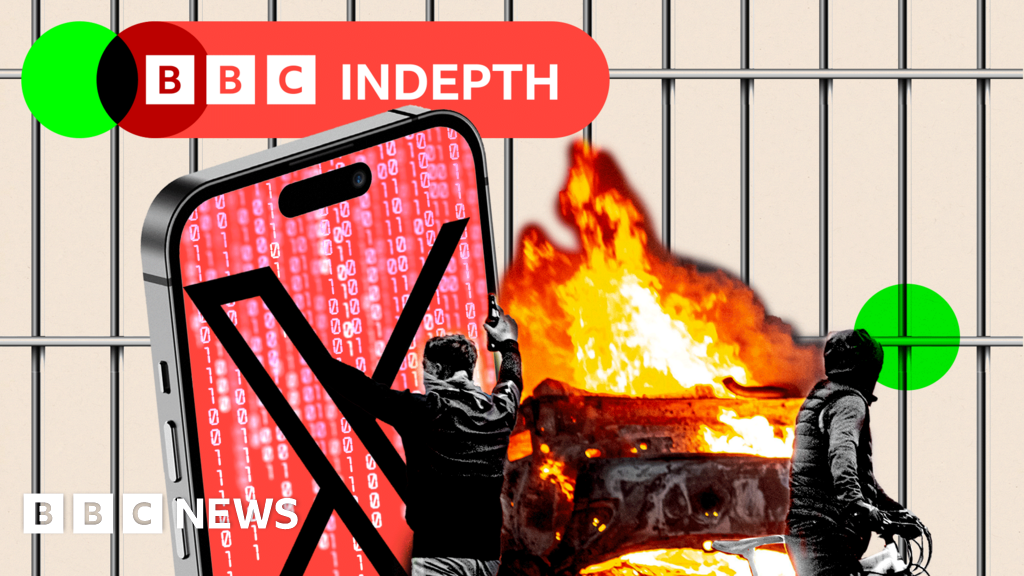
Social Media’s Role in the Summer Riots: A Reckoning for Some, but Not for All
The summer riots, marked by violence and racism on British streets, exposed a disturbing trend: the amplification of hate and misinformation through social media. While individuals like Tyler Kay and Jordan Parlour faced swift justice for their online hate speech, receiving prison sentences, the social media giants whose platforms facilitated the spread of harmful content remain largely unscathed. This disparity raises crucial questions about accountability and the urgent need for greater regulation of the online landscape.
The riots brought into sharp focus the real-life consequences of online activity. Over 30 people were arrested for social media posts, with at least 17 charged. False claims and online hate were identified as contributing factors to the unrest, prompting calls from Prime Minister Keir Starmer for social media companies to take responsibility for tackling misinformation. While the legal system addressed some cases of criminal online behavior, many instances of harmful content fell short of criminality, leaving a gap in accountability. Furthermore, the social media platforms themselves, often accused of prioritizing engagement over safety and amplifying provocative content through their algorithms, have yet to face significant repercussions.
The cases of Farhan Asif in Pakistan and Bernadette Spofforth in Chester illustrate the complexities of assigning responsibility for online content. Both shared false information related to the riots, contributing to the spread of misinformation. While both were arrested, charges were eventually dropped due to insufficient evidence. Ms. Spofforth has returned to posting on X (formerly Twitter), even advocating for freedom of expression, highlighting the challenges in regulating online speech and the differing perspectives on individual responsibility versus platform accountability.
The role of social media platforms, particularly X, in fueling the riots cannot be overstated. Assistant Commissioner Matt Jukes, head of UK counter-terror policing, pointed to X as a significant driver of harmful posts, with its algorithms amplifying disinformation and hate to millions. The police faced an overwhelming number of referrals related to online content, illustrating the scale of the problem. While law enforcement can address illegal content, the "lawful but awful" category poses a greater challenge. Platforms like Telegram, used to organize disorder and share hate, proved particularly difficult to engage with, raising concerns about their willingness to cooperate with authorities.
Elon Musk, owner of X, has criticized UK authorities for their response to the riots, accusing them of policing opinions. However, Mr. Jukes maintains that arrests were made based on threats and incitement to violence, not simply opinions on immigration. This tension between freedom of expression and the need to curb harmful content remains a central challenge in regulating the online space. While individuals have faced consequences for their posts, Mr. Jukes argues that the social media companies, who profit from the engagement generated by even harmful content, have largely avoided accountability.
Looking ahead, the Online Safety Act, set to take effect in 2025, offers some hope for addressing the spread of "lawful but awful" content. However, strengthening this legislation to effectively hold social media platforms accountable remains a crucial task. The current business models of these platforms, which prioritize engagement and often amplify harmful content through their algorithms, require significant changes. Compelling these companies to prioritize safety over profit will require a concerted effort from politicians and regulators, presenting a formidable challenge in the ongoing struggle to create a safer and more responsible online environment. The summer riots serve as a stark reminder of the real-world impact of online activity and the urgent need for greater accountability for both individuals and the platforms that facilitate the spread of harmful content.