


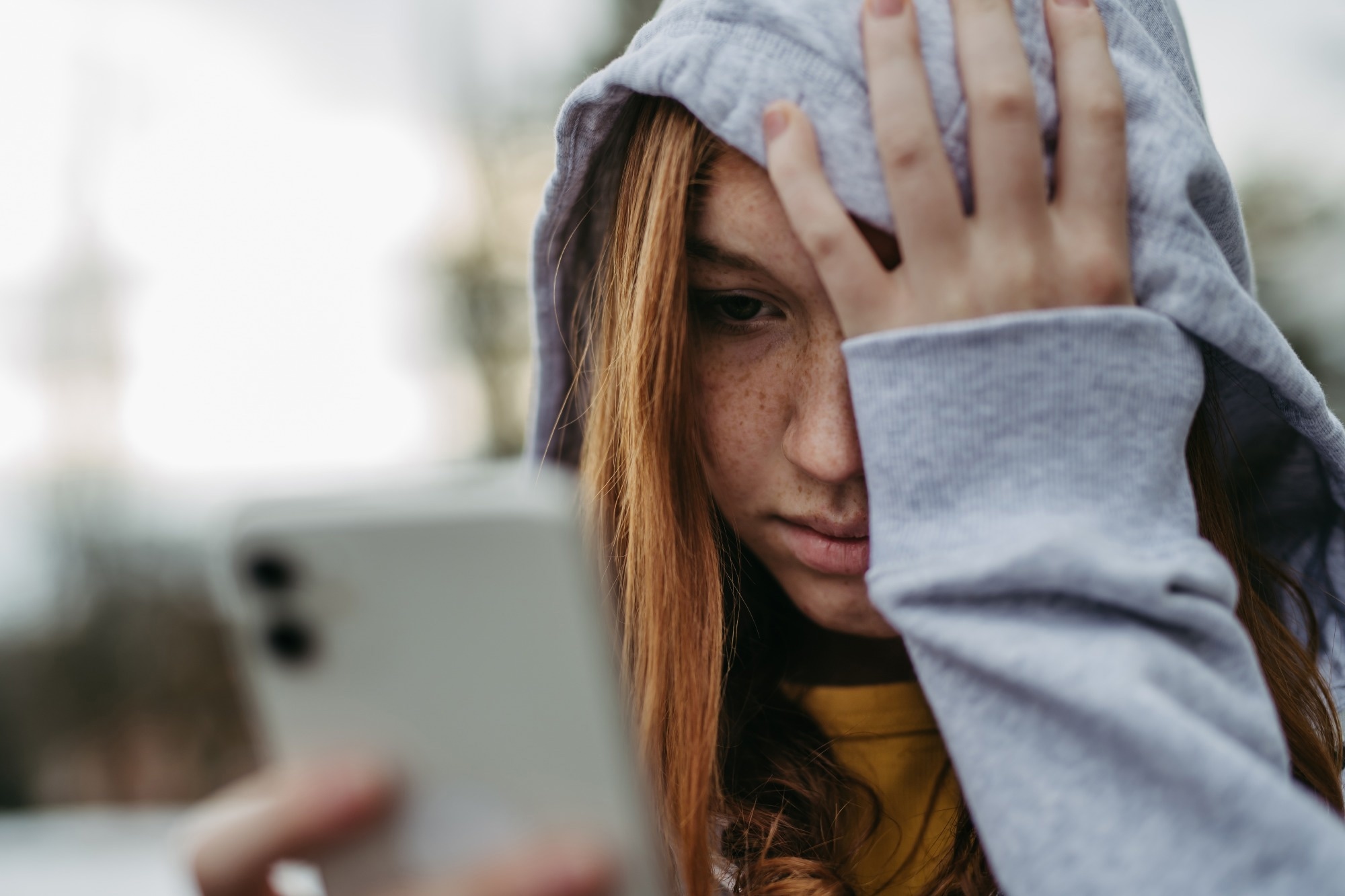
The Vulnerable Scroll: How Social Media Impacts Teens with Mental Health Conditions
A new UK study published in Nature Human Behavior sheds light on the complex relationship between social media use and adolescent mental health, revealing that teens struggling with anxiety and depression experience social media differently – and often more negatively – than their mentally healthy peers. This research underscores the urgent need for mental health-sensitive digital strategies, especially as mental health conditions among young people are on the rise. The study, drawing on data from over 3,000 adolescents in England, provides crucial insights into how different mental health conditions interact with various aspects of social media engagement, offering a nuanced perspective beyond the simplistic narrative of screen time as universally harmful.
The prevalence of mental health conditions among adolescents is a growing concern. In the UK, current estimates suggest that a quarter of young people aged 17-19 and one in six aged 7-16 experience mental health issues, a significant increase from previous years. This alarming trend coincides with the near-ubiquitous adoption of social media among adolescents, making the understanding of their interplay critical. While past research has often linked increased screen time with poor mental health outcomes, particularly depression in girls, the causal relationship remains unclear and debated. This new study recognizes the multifaceted role of social media, acknowledging both its potential benefits and harms, similar to offline social interactions. By differentiating between mentally healthy adolescents and those with pre-existing conditions, the research offers a more granular understanding of social media’s impact.
The Mental Health of Children and Young People (MHCYP) study, the basis of this research, employed a multi-informant approach to assess the mental health status of participants aged 11-19. This comprehensive evaluation considered not only the time spent on social media but also various facets of engagement, including social comparison, response to online feedback (likes, comments), satisfaction with online friendships, and the authenticity of online self-presentation. This nuanced approach allows for a more detailed understanding of the specific ways in which social media interacts with different mental health profiles. Of the participants, 16% were identified as having one or more mental health conditions, with 8% classified as having internalizing conditions like anxiety and depression, and 3% with externalizing conditions such as impulsivity and risk-taking behavior.
The study revealed significant differences in social media usage and experience between mentally healthy adolescents and those with mental health conditions. Young people with mental health conditions, both internalizing and externalizing, reported spending more time on social media and expressed lower satisfaction with their online friendships. While there were some statistically significant differences observed across various aspects of social media engagement, many were not considered theoretically meaningful. However, crucial distinctions emerged when comparing specific mental health categories with their healthy counterparts.
Adolescents with internalizing conditions (e.g., anxiety and depression) presented a distinct pattern of social media interaction. They reported spending more time online, feeling less in control of their online time, and experiencing a stronger emotional impact from online feedback, both positive and negative. They also tended to engage in more social comparison, often unfavorable to themselves, and reported lower satisfaction with the number of their online friends. This heightened sensitivity to online interactions highlights their vulnerability within the digital landscape. While they didn’t necessarily monitor feedback more actively, the impact of that feedback on their mood was significantly amplified, suggesting a greater emotional investment in online interactions. This suggests that social media may exacerbate existing feelings of inadequacy and insecurity in these young people.
Young people with externalizing conditions (e.g., impulsivity, conduct disorder) also spent more time on social media than their mentally healthy counterparts. Similar to those with internalizing conditions, their mood was more significantly affected by online feedback. However, unlike the internalizing group, their satisfaction with online friendships and their level of control over online time were comparable to healthy adolescents. This suggests that while they may be more susceptible to the emotional fluctuations driven by online feedback, they don’t necessarily engage in the same pattern of social comparison or experience the same anxieties around online social connections.
The comparison between the internalizing and externalizing groups further illuminates the nuanced relationship between mental health and social media. Young people with internalizing conditions exhibited a greater tendency towards social comparison and expressed more dissatisfaction with their online friendships than those with externalizing conditions. This finding reinforces the idea that different mental health profiles interact with social media in distinct ways, highlighting the need for tailored interventions. The study’s findings, largely based on self-reported data, acknowledge the need for further investigation to confirm these observations and delve deeper into the causal mechanisms at play.
The study’s implications are profound, especially in a world increasingly dominated by digital interaction. The correlation between fewer offline social connections and poorer physical and emotional health appears to translate to the online realm. This is particularly concerning for young people with pre-existing mental health conditions, who often struggle with social connections and may find the digitally mediated world both alluring and potentially harmful. The research underscores the potential of behavioral interventions aimed at helping young people, especially those with internalizing disorders, manage their social media use more effectively. Strategies for reducing social comparison and regulating the emotional impact of online feedback could be particularly beneficial.
Ultimately, this research provides invaluable insights into the complex interplay between adolescent mental health and social media. It highlights the unique vulnerabilities of young people struggling with mental health conditions in the digital space, calling for a more mindful and empathetic yaklaşım to online interactions. The development of mental health-sensitive digital strategies is no longer a luxury but a necessity. Creating a safer and more supportive online environment for all young people, regardless of their mental health status, is crucial for fostering their wellbeing in an increasingly digital world. Future research building on these findings will be essential to developing effective interventions and safeguarding the mental health of young people in the digital age.