


A Mock Trial Highlights the Devastating Impact of Disinformation in the Democratic Republic of Congo
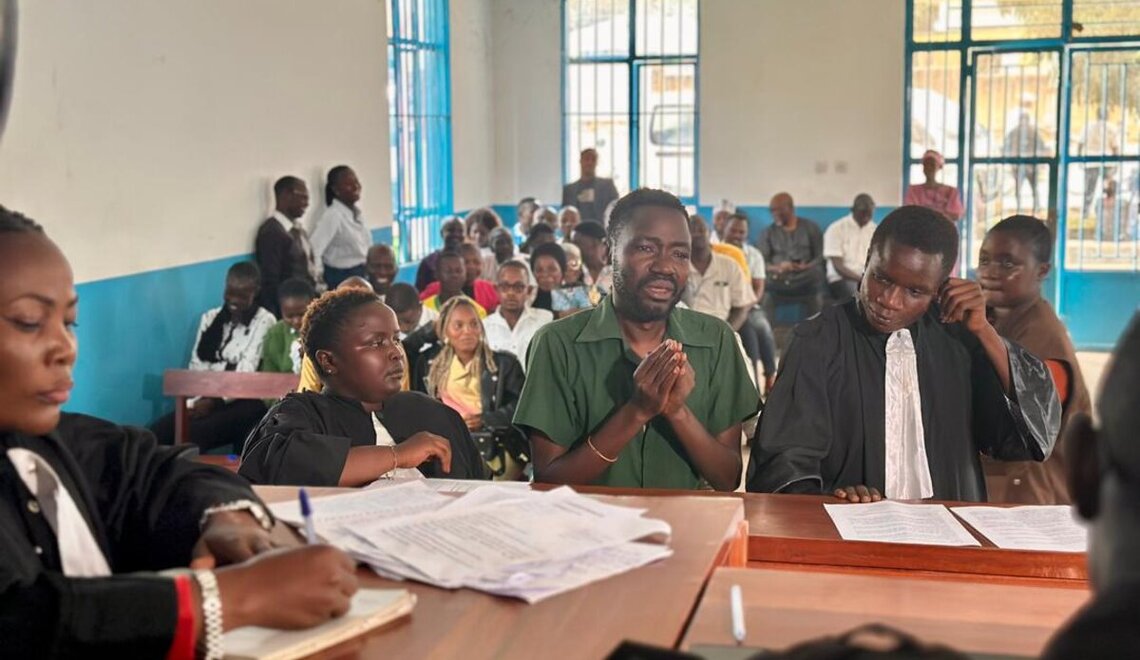
The courtroom of the Bunia Court of Appeal in the Democratic Republic of Congo buzzed with an unusual tension. A man stood accused, not of a violent crime, but of spreading a false rumor on WhatsApp. This wasn’t a real trial, but a meticulously staged mock trial organized by the United Nations Organization Stabilization Mission in the Democratic Republic of Congo (MONUSCO) to vividly demonstrate the devastating real-world consequences of online disinformation. The chosen scenario, a poignant tale of a falsely accused individual whose life was shattered by a carelessly shared rumor, resonated deeply with the audience of approximately 100 attendees, comprised primarily of young people. The victim’s tearful testimony and the accused’s confused justifications painted a stark picture of the damage misinformation can inflict. The mock trial served as a powerful reminder that even seemingly harmless rumors, shared without malicious intent, can have far-reaching and irreversible consequences.
The mock trial centered around Dieumerci Kati, a 34-year-old accused of spreading a false allegation of poisoning via WhatsApp. The message, shared without any attempt at verification, rapidly spread across various groups, ultimately leading to the social isolation and reputational ruin of the falsely accused individual. The victim’s testimony laid bare the profound impact the rumor had on his life: lost sleep, social ostracization, accusations of murder, and even the breakdown of his marriage. Kati, the accused, admitted to spreading the rumor, claiming it began as a “joke.” This scenario underscored the critical point that even seemingly innocuous online interactions can have severe real-world repercussions, highlighting the urgent need for responsible digital citizenship.
The mock trial served as a powerful educational tool in a workshop organized by MONUSCO’s Strategic Communication and Public Information Section. Focusing on the mechanisms, challenges, and impacts of disinformation, the workshop underscored the security risks associated with the spread of misinformation, particularly in a volatile region like Ituri. The choice of the courtroom setting amplified the message, symbolizing the potential legal ramifications of spreading false information under the DRC’s new Digital Code. The code, enacted in March 2023, imposes strict penalties for disseminating false information online, including imprisonment and substantial fines. This legal framework reinforces the seriousness of online disinformation and the individual responsibility to share information responsibly.
The Ituri region, plagued by conflict and instability, provides fertile ground for the spread of misinformation. Rumors targeting the army, police, and even MONUSCO itself have jeopardized operations against armed groups, who also exploit social media to manipulate public opinion and undermine institutions. The workshop highlighted the Digital Code as a tool to combat this manipulation, reminding participants of their legal liability for the uncontrolled circulation of online content. The mock trial served as a practical demonstration of how these legal provisions could be applied, driving home the message that careless online behavior can have serious legal consequences.
Jean-Tobie Okala, MONUSCO’s Public Information Officer in Ituri, emphasized the importance of critical thinking in the digital age. He urged participants to question the veracity of information before sharing it, emphasizing the three key questions to ask: "Is it true? Is it useful? Is it responsible?" This simple framework empowers individuals to act as gatekeepers against the spread of misinformation, contributing to a more informed and responsible online environment. Mr. Okala stressed that while criticism is legitimate, it must be grounded in facts, not speculation or rumor.
The workshop’s impact was evident in the reactions of the participants. Fidèle Kazadi, a law student, recognized the destructive potential of disinformation, particularly in a fragile context like Ituri. He committed to verifying information before sharing it and encouraging others to do the same. Virginie Kakori, a youth representative, acknowledged the often-unthinking nature of online sharing and the potential harm it can cause. These testimonials highlight a growing awareness of the importance of responsible digital citizenship and the role individuals play in combating the spread of disinformation. The mock trial and workshop served as a crucial step in empowering young people to become responsible consumers and sharers of information, contributing to a more informed and peaceful society. The fight against disinformation, as emphasized by the event, begins with individual responsibility and the conscious decision to verify information before sharing it.