


Tech Giants Under Scrutiny: European Parliament Debates Role of Digital Services Act in Protecting Democracy
The European Parliament is currently engaged in a heated debate concerning the escalating influence of Big Tech companies in political discourse and the measures needed to safeguard democratic processes. At the heart of this discussion lies the Digital Services Act (DSA), a landmark piece of EU legislation designed to regulate online platforms and protect users’ rights. The debate has been fueled by recent events, including allegations of political interference by Elon Musk’s X (formerly Twitter) in both UK and German politics, as well as Meta’s controversial decision to discontinue fact-checking programs in the United States. These actions have raised serious concerns about the potential for these platforms to be weaponized for the spread of misinformation and hate speech, thereby undermining democratic values.
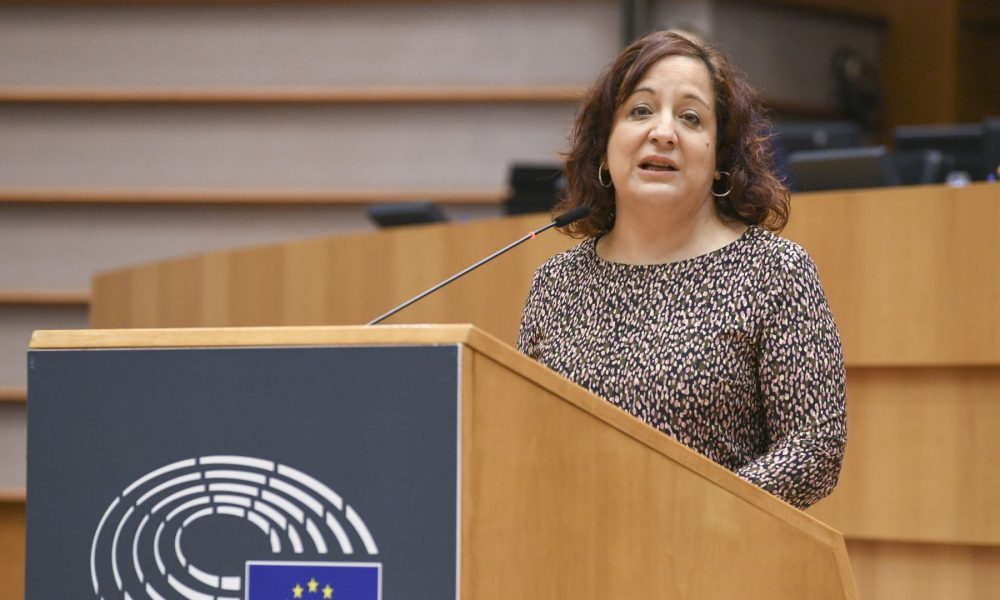
Leading the charge in the European Parliament is the Socialists and Democrats (S&D) Group, whose President, Iratxe García Pérez, has strongly condemned the actions of tech giants and urged swift implementation of the DSA. Pérez argues that the EU must take a firm stance against these companies, emphasizing that inaction amounts to complicity in their harmful practices. She specifically criticized Elon Musk for allegedly promoting far-right ideologies through the spread of fake news and hate messages on X, and accused Mark Zuckerberg of enabling lies and manipulation by removing fact-checking measures on Meta platforms. Pérez insists that the European Commission’s apparent passivity in the face of these threats is unacceptable and calls for decisive action to ensure the effective application of the DSA and the imposition of sanctions against those who violate its provisions.
The S&D Group emphasizes that the DSA provides the necessary tools, including substantial fines, to combat disinformation, hate speech, and illegal content online. They are advocating for its immediate implementation and are also pushing for the development of European social networks as an alternative to the dominant American platforms. Furthermore, they are urging the swift adoption of the Directive on liability in the field of Artificial Intelligence, recognizing the potential for AI to be misused for malicious purposes. These measures, they believe, are crucial for safeguarding democratic processes and protecting citizens from the potentially harmful impacts of Big Tech.
The central argument put forth by the S&D Group and other proponents of stricter regulation is that the freedom of expression, while a fundamental pillar of democracy, should not be exploited for manipulation and the dissemination of hate speech. They contend that the actions of Big Tech companies, under the guise of free speech, are in fact eroding the very foundations of democratic societies by fostering division and distrust. They warn that history is replete with examples of how propaganda and manipulation have been used by totalitarian regimes to justify atrocities, and they refuse to allow this dark chapter of history to repeat itself.
The debate surrounding the DSA highlights the tension between preserving freedom of expression and combating the spread of harmful content online. Critics of the legislation argue that it could lead to censorship and stifle open dialogue. However, supporters maintain that the DSA is essential for striking a balance between these competing interests. They insist that the regulation is not about censoring legitimate speech but rather about ensuring that the rights and freedoms of all citizens are protected from the potential harms of online disinformation, harassment, and manipulation. The goal, they say, is to create a safer and more democratic online environment for all.
The European Parliament’s deliberations on the DSA represent a critical juncture in the ongoing struggle to regulate Big Tech and safeguard democratic values in the digital age. The outcome of this debate will have far-reaching implications for the future of online discourse and the balance of power between tech giants and democratic institutions. As the EU strives to set a global standard for online platform regulation, the world is watching closely to see how this pivotal moment unfolds and what lessons can be learned for the protection of democracy in the face of evolving technological challenges.