


Close Menu
DISADISA
  • Home
  • News
  • Social Media
  • Disinformation
  • Fake Information
  • Social Media Impact
Trending Now

Analyzing the Proliferation of Disinformation Following the Latest School Shooting.

August 26, 2026

German Embassy Issues Formal Warning to Nigerian Nationals Regarding Unauthorized Visa Agents and Misinformation.

August 26, 2026

Social Media Addiction: Consequences, Risks, and Legal Remedies

August 26, 2026
Facebook X (Twitter) Instagram
Facebook X (Twitter) Instagram YouTube
DISADISA
Newsletter
  • Home
  • News
  • Social Media
  • Disinformation
  • Fake Information
  • Social Media Impact
DISADISA
Home»Disinformation»Rescinding Australia’s Disinformation Legislation Would Be Detrimental.
Disinformation

Rescinding Australia’s Disinformation Legislation Would Be Detrimental.

Press RoomBy Press RoomSeptember 9, 2025No Comments
Facebook Twitter Pinterest LinkedIn Tumblr Email

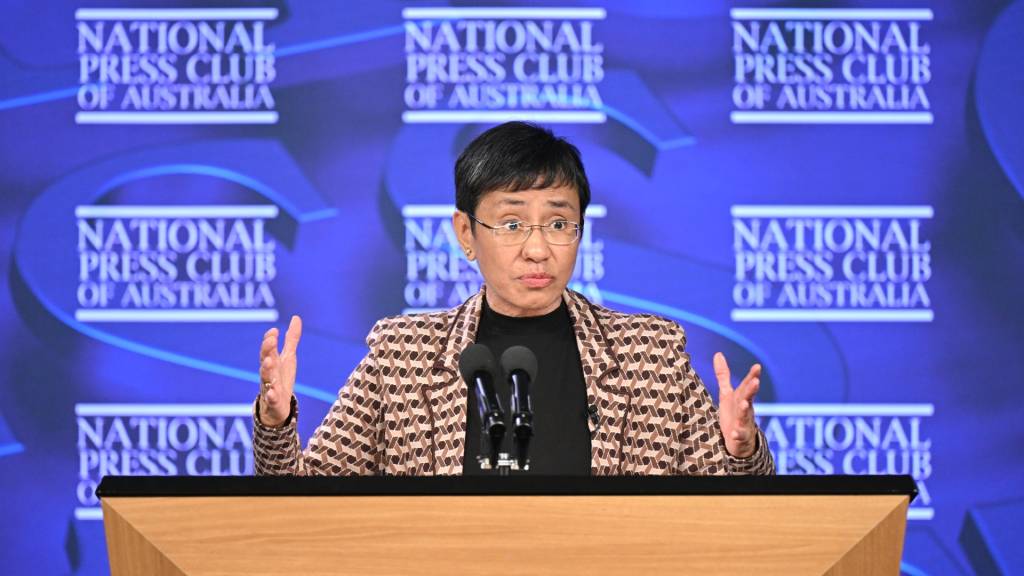
Maria Ressa’s Call to Action: Resetting the Information Ecosystem to Save Democracy

Maria Ressa, the 2021 Nobel Peace Prize laureate, delivered a stark warning during her recent visit to Canberra: democracy is under siege by the “toxic sludge” of social media, and a fundamental reset of our information infrastructure is crucial for its survival. Ressa, a seasoned journalist who has faced relentless online harassment and legal battles for her work exposing corruption and disinformation, stressed the urgency of addressing the threat of online misinformation and holding Big Tech accountable. Her message resonated deeply, particularly in Australia, a nation grappling with its own challenges in combating online falsehoods and protecting press freedom.

Ressa’s central argument revolves around the erosion of trust, a cornerstone of democratic societies. The rampant spread of misinformation, she argues, has fractured our shared reality, making it impossible to address critical issues like climate change. She describes the current state as “information Armageddon,” where facts are assaulted and truth is murdered. This toxic environment, fueled by social media algorithms that prioritize engagement over accuracy, allows the loudest voices, often those with the most power and money, to dominate the narrative. This dynamic, she warns, creates fertile ground for authoritarianism to flourish.

Ressa highlighted the global nature of this threat, citing examples from the Philippines, the United States, and other countries where authoritarian tactics are amplified by technology. She pointed to former President Trump’s attacks on major news organizations as a strategic move to control the narrative and undermine trust in established media. Ressa argued that Big Tech’s greed for profit has made them complicit in this erosion of democratic values by allowing their platforms to be exploited for information warfare. The issue, she stressed, has moved beyond simply preserving freedom of speech; it is now a matter of safety and protecting societies from the real-world consequences of online violence and discontent.

The problem is further exacerbated by the rise of generative AI, which, according to Ressa, accelerates the “enshitification of the internet,” a term coined by Cory Doctorow to describe the degradation of online platforms as they prioritize profit maximization over user experience and societal well-being. Ressa emphasized the real-world impact of these online information wars, citing examples of conflicts and humanitarian crises worsened by the inability to agree on basic facts. She warned that Australia, with its concentrated media landscape and lack of constitutional guarantees for press freedom, is particularly vulnerable to these threats.

Ressa’s call to action is multifaceted. She advocates for investing in public interest platforms that foster genuine dialogue and resist manipulation. She urges lawmakers to hold Big Tech accountable for the harm caused by their platforms and to prioritize information integrity. Ressa also champions the creation of alternative spaces for news and information, citing her own work in developing a secure, decentralized chat app based on The Matrix platform. This, she believes, represents a path towards reclaiming control of information distribution and fostering trust within communities.

Ressa commended Australia for engaging in conversations about media freedom, including the “Right to know” campaign and calls for a media freedom act. She urged the adoption of the proposed act and encouraged vigilance in protecting institutions like the ABC, strong journalism, and an active civil society. Ressa stressed the urgency of the situation, framing the fight for information integrity as the “mother of all battles.” Winning this battle, she asserts, is essential for preserving democracy and addressing the defining challenges of our time. Australia, she concluded, has a choice: to lead the way in defending democratic values and building a robust information infrastructure, or to watch these values erode while hoping the worst doesn’t happen at home.

Share. Facebook Twitter Pinterest LinkedIn WhatsApp Reddit Tumblr Email

Read More

Analyzing the Proliferation of Disinformation Following the Latest School Shooting.

August 26, 2026

ActionSA Lodges Formal Disinformation Complaint with IEC Against ANC’s Kgoši Maepa.

August 26, 2026

The Threat of Anti-Disinformation Legislation to the Public Square

August 26, 2026
Add A Comment
Leave A Reply Cancel Reply

Our Picks

German Embassy Issues Formal Warning to Nigerian Nationals Regarding Unauthorized Visa Agents and Misinformation.

August 26, 2026

Social Media Addiction: Consequences, Risks, and Legal Remedies

August 26, 2026

ActionSA Lodges Formal Disinformation Complaint with IEC Against ANC’s Kgoši Maepa.

August 26, 2026

Health Experts Offer Evidence-Based Guidance for Navigating Online Nutrition Misinformation

August 26, 2026
Stay In Touch
  • Facebook
  • Twitter
  • Pinterest
  • Instagram
  • YouTube
  • Vimeo

Don't Miss

Disinformation

The Threat of Anti-Disinformation Legislation to the Public Square

By Press RoomAugust 26, 20260

Paragraph 1: The Escalating Threat of Disinformation in Philippine Democracy As the Philippines hurtles toward…

NCIC and Faith Leaders Warn of Misinformation Threat Ahead of 2027 Elections

August 26, 2026

  1. Analyze the Request:

    • Original title: “How to spot ethnic disinformation on social media”
    • Task: Rewrite this to 1 title in English in a formal tone.
    • Constraints: Only 1 title, formal tone, must retain the core meaning (identifying/detecting ethnicity-based disinformation/falsehoods on social platforms).
  2. Evaluate the Original: The original is clear but uses “spot” (informal/colloquial for this context) and “ethnic” (slightly broad). “Disinformation” is a good formal term.

  3. Brainstorm Formal Alternatives:

    • “Identifying Ethnic Disinformation on Social Media Platforms” (good, formal, direct).
    • “Detecting Disinformation Targeting Ethnic Groups on Social Networks” (more specific, emphasizes targeting).
    • “A Guide to Identifying Ethnically-Focused Misinformation and Disinformation on Social Media” (too long).
    • “Recognizing Ethnic Disinformation in Social Media Environments” (wordy).
    • “Techniques for Uncovering Ethnic Disinformation on Digital Platforms” (practical).
    • Let’s synthesize. Formal titles usually prefer nouns like “Identifying”, “Detecting”, “Assessing”. The subject is specifically disinformation that is ethnic (based on ethnicity/race).
    • Option A: “Identifying Ethnic Disinformation on Social Media” (Best balance of formality, conciseness, and accuracy).
    • Option B: “Detecting Ethnic Misinformation and Disinformation on Digital Networks” (a bit longer).
    • Option C: “Strategies for Identifying Ethnic Disinformation in Social Media”.
  4. Select the Best Title: Option A is the most natural and formal direct translation. Let’s ensure it doesn’t sound like a casual tutorial. “Identifying” is academic/formal. “Ethnic disinformation” is precise. “Social Media” is standard.

    Let’s refine it slightly to be more impactful: “Detecting Ethnic Disinformation within Social Media Platforms” – a bit wordy. “Identifying Ethnic Disinformation on Social Media” – perfect.

  5. Final Check: Does it meet the criteria? 1 title (yes). English (yes). Formal tone (yes – “Identifying” is formal). Same meaning (yes). Let’s goIdentifying Ethnic Disinformation on Social Media

August 26, 2026

Identifying Ethnically Targeted Disinformation on Social Media Platforms

August 26, 2026
DISA
Facebook X (Twitter) Instagram Pinterest
  • Home
  • Privacy Policy
  • Terms of use
  • Contact
© 2026 DISA. All Rights Reserved.

Type above and press Enter to search. Press Esc to cancel.