


Close Menu
DISADISA
  • Home
  • News
  • Social Media
  • Disinformation
  • Fake Information
  • Social Media Impact
Trending Now

Identifying the Most Common Scams Originating on Social Media

August 25, 2026

Government Introduces Updated Communication Policy to Combat Misinformation and Enhance Public Trust.

August 25, 2026

Experts to Address Social Media’s Impact on Adolescent Brain Development Amid Continuing Meta Litigation.

August 25, 2026
Facebook X (Twitter) Instagram
Facebook X (Twitter) Instagram YouTube
DISADISA
Newsletter
  • Home
  • News
  • Social Media
  • Disinformation
  • Fake Information
  • Social Media Impact
DISADISA
Home»News»Republican Allegations of Medicaid Support Challenged in Right-Wing Advertisements
News

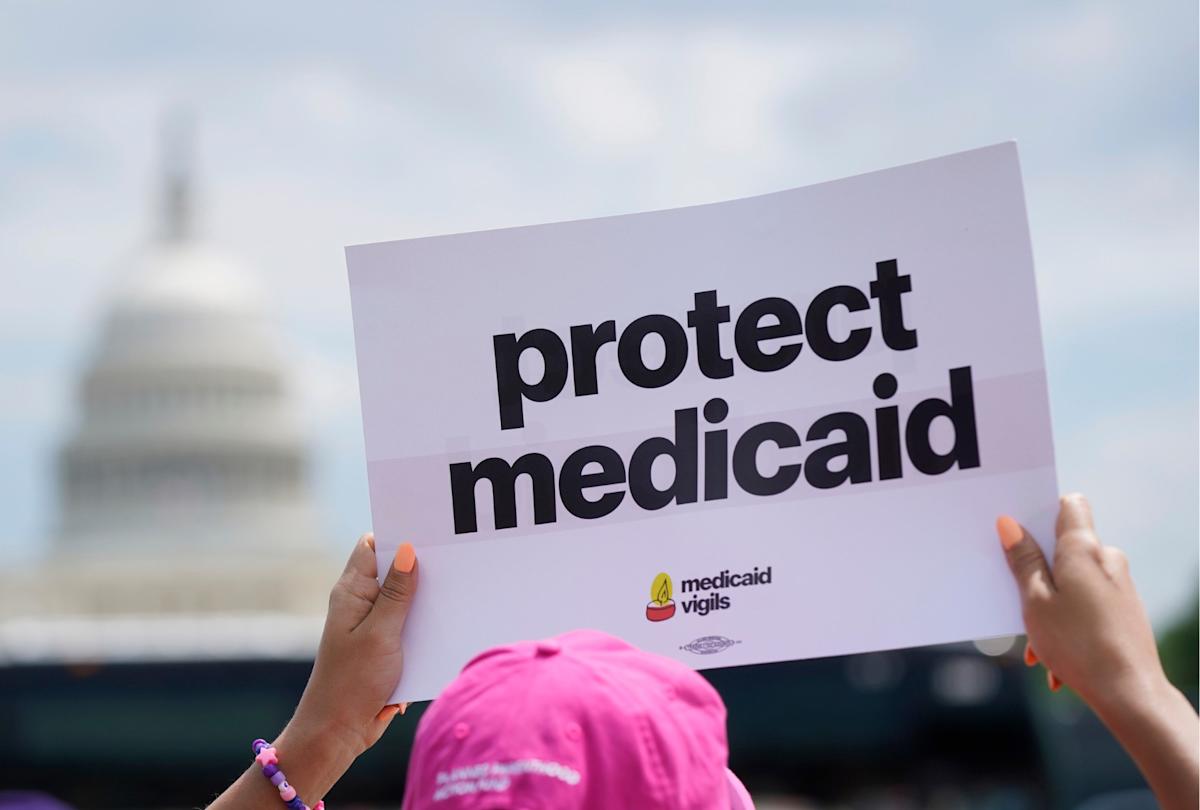
Republican Allegations of Medicaid Support Challenged in Right-Wing Advertisements

Press RoomBy Press RoomMay 9, 2025No Comments
Facebook Twitter Pinterest LinkedIn Tumblr Email

GOP Launches Misinformation Campaign to Conceal Medicaid Cut Plans

Republicans are embarking on a deceptive public relations campaign to mask their intentions to slash Medicaid funding, even as they finalize plans to strip $880 billion from the program and related social safety nets. This coordinated effort involves GOP-affiliated organizations launching misleading ad campaigns designed to convince voters that Republicans are protecting Medicaid, while simultaneously working behind the scenes to dismantle it.

The American Action Network, a conservative advocacy group, has initiated a $7 million ad blitz across 30 congressional districts. These ads falsely accuse media outlets reporting on the GOP’s Medicaid cut proposals of spreading "misinformation." One ad features testimonials from supposed beneficiaries praising Republican representatives for "protecting" their benefits while simultaneously pushing for "common-sense reforms" – a euphemism for cuts. Ironically, some of these ads shift the focus to Medicare, a separate program for seniors, creating further confusion and falsely attacking Democrats for opposing unrelated spending measures. This targeted campaign aims to mislead voters in competitive districts and bolster support for Republican leadership figures involved in crafting the cuts.

Adding to the deceptive messaging, Plymouth Union Public Advocacy, a Trump-aligned non-profit with opaque funding, has launched a $650,000 ad campaign. These ads paradoxically praise Trump for "fighting to preserve Medicaid" while promoting premium tax credits, a key provision of the Affordable Care Act that Republicans have consistently sought to repeal. This blatant contradiction highlights the disingenuous nature of the campaign, which targets states with vulnerable Republican senators.

This coordinated advertising blitz is reinforced by Republican representatives holding town halls where they deny any intention of cutting Medicaid benefits. Some representatives even make outlandish claims of increasing Medicaid spending, directly contradicting the House-passed budget resolution that mandates $880 billion in cuts to programs overseen by the Energy and Commerce Committee, which includes Medicaid. Independent economic analysis clearly demonstrates that meeting this target necessitates significant cuts to Medicaid, regardless of any reductions to other programs within the committee’s jurisdiction.

The deceptive messaging campaign coincides with internal GOP discussions on the specific mechanisms for implementing Medicaid cuts. Leaked information reveals a range of options under consideration, including stricter work requirements and increased out-of-pocket expenses for recipients earning at or above the poverty line. While some moderate Republicans are reportedly considering these measures, they fall far short of the $880 billion in cuts mandated by the House budget resolution, exposing the vast discrepancy between the GOP’s public pronouncements and their actual intentions.

The Republican strategy appears to be two-pronged: publicly denying any plans to cut Medicaid while simultaneously working behind closed doors to implement significant reductions. This duplicitous approach aims to shield vulnerable Republicans from electoral backlash while appeasing the fiscally conservative wing of the party demanding deep spending cuts. The blatant misinformation campaign underscores the GOP’s willingness to prioritize political expediency over the well-being of millions of Americans who rely on Medicaid for essential healthcare coverage. This deceptive tactic risks eroding public trust and further polarizing the debate around healthcare reform.

Ultimately, the true test of the Republican’s commitment to Medicaid lies not in their carefully crafted advertising campaigns and public pronouncements, but in the concrete legislative proposals they advance in the coming months. As the details of their plan emerge, it will become increasingly clear whether they intend to honor their promises to protect Medicaid or succumb to pressure from fiscal hawks demanding drastic cuts to vital safety net programs. The well-being of millions hangs in the balance, and the American public deserves transparency and honesty from their elected officials on this critical issue.

Share. Facebook Twitter Pinterest LinkedIn WhatsApp Reddit Tumblr Email

Read More

Government Introduces Updated Communication Policy to Combat Misinformation and Enhance Public Trust.

August 25, 2026

Low Calbayog Measles-Rubella Vaccination Turnout Attributed to Misinformation

August 25, 2026

Here are a few formal options, depending on the specific context (e.g., a case study title, a project heading, or a business proposal section).

Option 1: Direct & Definitive (Best for Case Studies)

The Client’s Critical Challenge: An Analysis of Key Obstacles

Option 2: Strategic & Analytical (Best for Proposals)

Understanding the Client’s Obstacle: A Strategic Assessment

Option 3: Diplomatic & Professional (Best for Internal Reports)

Navigating Client Issues: A Review of Operational Hurdles

Option 4: Action-Oriented (Best for Problem-Solving Documents)

Addressing the Client’s Situation: Identifying and Resolving Constraints

Option 5: The Strongest Single Phrase (If you need a stand-alone title)

Client Obstacle Assessment

My recommendation for a one-line title that is both formal and specific is:

The Client’s Challenge: Identifying Key Constraints and Solutions.

August 25, 2026
Add A Comment
Leave A Reply Cancel Reply

Our Picks

Government Introduces Updated Communication Policy to Combat Misinformation and Enhance Public Trust.

August 25, 2026

Experts to Address Social Media’s Impact on Adolescent Brain Development Amid Continuing Meta Litigation.

August 25, 2026

Coordinated Disinformation Campaigns Target Australian Music Royalty

August 25, 2026

Low Calbayog Measles-Rubella Vaccination Turnout Attributed to Misinformation

August 25, 2026
Stay In Touch
  • Facebook
  • Twitter
  • Pinterest
  • Instagram
  • YouTube
  • Vimeo

Don't Miss

Social Media Impact

The Impact of Employment-Oriented Social Media Use on College Students’ Employment Anxiety: Dual Mediating Roles of Social Capital and Risk Perception.

By Press RoomAugust 25, 20260

Abstract and Research Problem This study investigates the relationship between college students’ employment-oriented social media…

Malicious Disinformation Campaigns Target Australian Swimmers and Their Olympic Competitors

August 25, 2026

Here are a few formal options, depending on the specific context (e.g., a case study title, a project heading, or a business proposal section).

Option 1: Direct & Definitive (Best for Case Studies)

The Client’s Critical Challenge: An Analysis of Key Obstacles

Option 2: Strategic & Analytical (Best for Proposals)

Understanding the Client’s Obstacle: A Strategic Assessment

Option 3: Diplomatic & Professional (Best for Internal Reports)

Navigating Client Issues: A Review of Operational Hurdles

Option 4: Action-Oriented (Best for Problem-Solving Documents)

Addressing the Client’s Situation: Identifying and Resolving Constraints

Option 5: The Strongest Single Phrase (If you need a stand-alone title)

Client Obstacle Assessment

My recommendation for a one-line title that is both formal and specific is:

The Client’s Challenge: Identifying Key Constraints and Solutions.

August 25, 2026

Exclusive: Andrew McGinley Expresses Empathy for Lindsay Clancy Over Online Misinformation and Falsehoods

August 25, 2026
DISA
Facebook X (Twitter) Instagram Pinterest
  • Home
  • Privacy Policy
  • Terms of use
  • Contact
© 2026 DISA. All Rights Reserved.

Type above and press Enter to search. Press Esc to cancel.