


Navigating the Information Conundrum: The Imperative of Media Literacy in Nigeria’s Digital Age
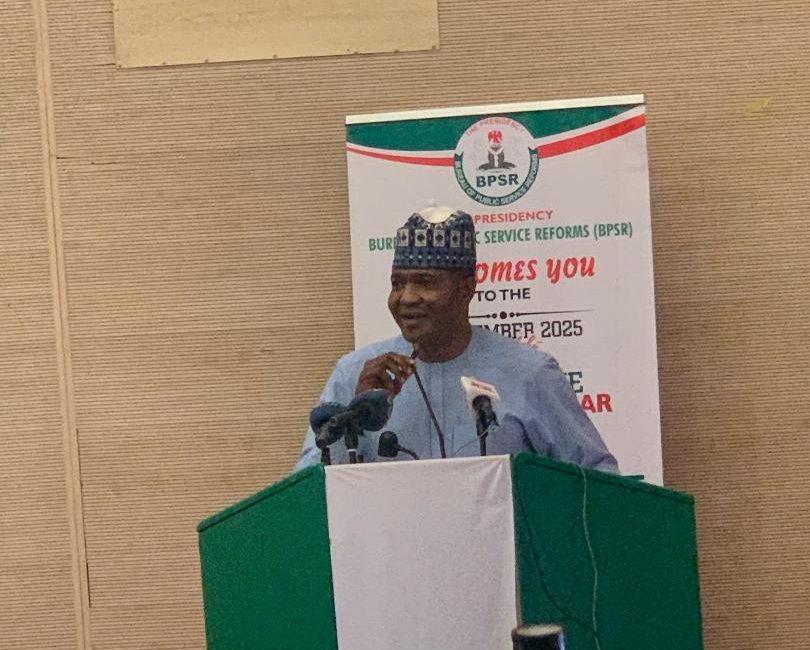
In an era defined by the ubiquitous presence of social media and the rapid dissemination of information, the ability to discern credible sources from misinformation and disinformation has become paramount. This was the central message delivered by Mallam Jibrin Baba Ndace, Director General of Voice of Nigeria, at the September 2025 edition of the Bureau of Public Service Reforms (BPSR) Lunch Time Seminar in Abuja. The seminar, themed “National Rebirth in the Digital Era: Navigating the Information Conundrum,” brought to the fore the pressing challenges and potential solutions surrounding information management in today’s digital landscape.
Ndace emphasized the transformative power of social media, urging the public service to embrace the changing information environment and recognize the collective responsibility it entails. He underscored the critical need for media literacy, equipping individuals with the skills to identify fake news, misinformation, and disinformation. This literacy, he argued, is not merely a desirable skill but a necessary defense mechanism in the digital age, protecting individuals and institutions from the manipulative potential of false narratives. He specifically highlighted the vulnerability of public officials to such manipulations and stressed the importance of empowering individuals at all levels to critically assess the information they consume.
The Director General’s call for media literacy extended beyond individual empowerment to encompass a broader engagement with public media institutions. He advocated for increased support and utilization of platforms such as Voice of Nigeria, NTA, FRCN, and News Agency of Nigeria, emphasizing their role as publicly funded entities dedicated to disseminating government policies and programs. By actively engaging with these platforms, citizens can stay informed about official initiatives and contribute to a more informed public discourse.
Beyond media literacy, Ndace also addressed the issue of national image and the responsibility of citizens in shaping public perception. While acknowledging that Nigeria is not without its challenges, he urged Nigerians to celebrate the nation’s achievements and resist the temptation to denigrate the country. He called for a sense of ownership and responsibility in portraying a balanced and nuanced image of Nigeria, highlighting the positive contributions of Nigerians both at home and abroad.
Dasuki Arabi, Director General of BPSR, echoed Ndace’s concerns in his opening remarks, highlighting the urgent need for improved information management within the public service. He emphasized that effective information management extends beyond mere record-keeping, encompassing the accuracy, timeliness, consistency, and accessibility of data and communication. This, he argued, is crucial for building trust between government and citizens. Arabi linked the seminar’s theme to President Bola Ahmed Tinubu’s directive emphasizing responsible communication and fact-based reporting, demonstrating the government’s commitment to addressing information challenges at the highest level.
Arabi outlined BPSR’s ongoing efforts to strengthen information reforms across the public service. He detailed the development of a communication strategy designed to promote accountability and responsible information use across government agencies. He also highlighted the National Strategy of Public Service Reforms, which prioritizes ICT adoption, open government, and citizen engagement, further underscoring the government’s commitment to modernizing information management practices. Arabi emphasized the importance of frameworks for proactive information disclosure, referencing the Freedom of Information Act as a cornerstone of transparency and trust-building between government and citizens.
The seminar served as a timely reminder of the evolving information landscape and the need for proactive strategies to navigate its complexities. Media literacy emerged as a crucial tool for individuals and institutions alike, empowering them to critically assess information and resist the spread of misinformation. The emphasis on supporting public media institutions highlighted the role of these platforms in disseminating accurate and reliable information, fostering informed public discourse. Furthermore, the call for responsible communication and a balanced portrayal of Nigeria underscores the shared responsibility in shaping national narratives and fostering a more informed and engaged citizenry. The BPSR’s ongoing initiatives demonstrate a commitment to addressing information challenges at the systemic level, promoting transparency, accountability, and trust between government and citizens in Nigeria’s digital age. The evolving digital landscape presents both opportunities and challenges, and navigating this terrain effectively requires a multi-faceted approach that encompasses media literacy, responsible communication, and a commitment to fostering a more informed and engaged citizenry.