


Myanmar Earthquake Aftermath: A Breeding Ground for Digital Profiteers and Misinformation
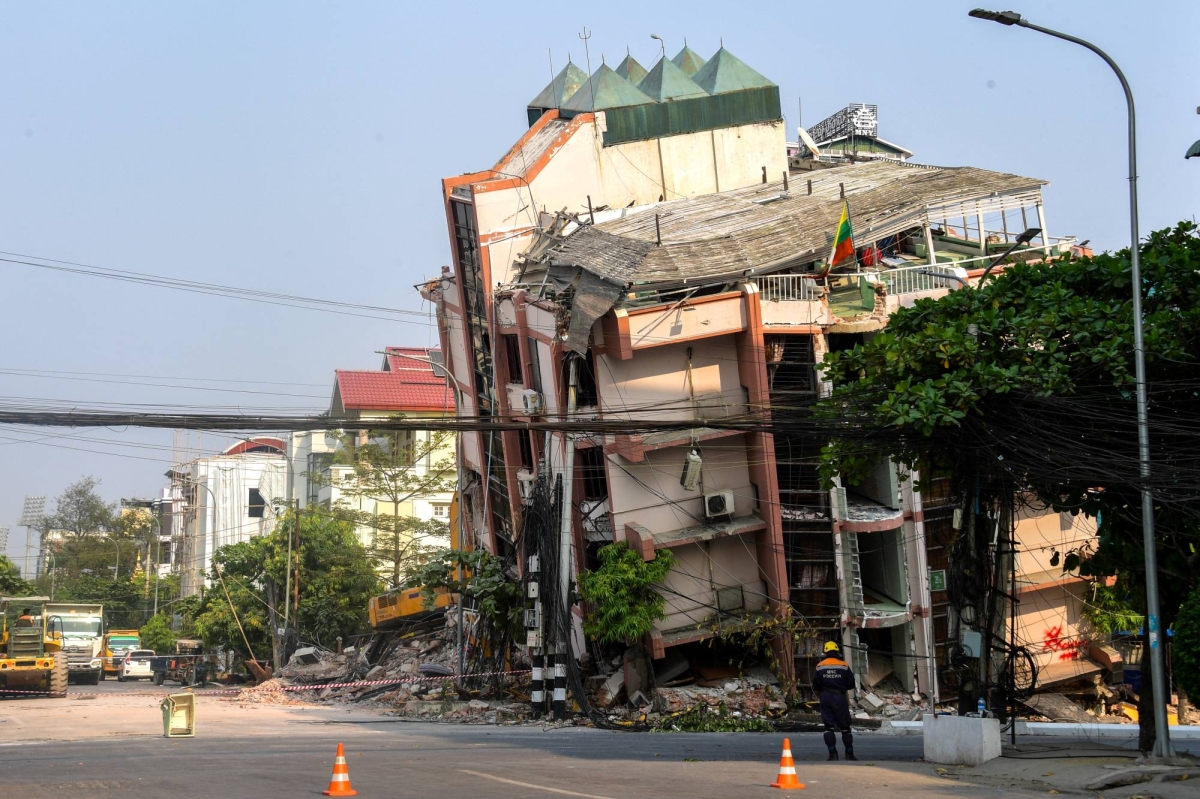
The catastrophic earthquake that struck Myanmar last month has left a trail of devastation in its wake, claiming lives, shattering communities, and crippling infrastructure. Amidst the chaos and suffering, a sinister shadow play has emerged in the digital realm, as opportunistic profiteers exploit the tragedy for personal gain. Social media platforms have become inundated with a deluge of fake news, manipulated images, and fabricated videos, preying on the heightened anxieties and information needs of a global audience desperate for updates. This digital exploitation not only hinders genuine relief efforts but also exacerbates the emotional trauma inflicted upon the affected population and their loved ones. Digital activists and misinformation experts are sounding the alarm, urging individuals to exercise caution and critical thinking when navigating the online landscape, particularly in the aftermath of such calamitous events.
The nature of these deceptive schemes varies widely, from sensationalized and out-of-context images designed for maximum virality to entirely fabricated rescue narratives that tug at the heartstrings. Some of the most prevalent tactics involve recycling old disaster footage, doctoring photographs to exaggerate the destruction, and crafting false testimonials of miraculous survival. The motivation behind these unscrupulous activities primarily revolves around financial gain. By attracting a massive influx of views and engagement on their fabricated content, these digital profiteers are able to generate substantial advertising revenue. The more sensational and emotionally charged the content, the wider it spreads, further amplifying the profits while simultaneously eroding public trust and hindering the dissemination of accurate information.
The chaotic environment following a major disaster like the Myanmar earthquake creates a perfect breeding ground for the proliferation of misinformation. Communication networks are often disrupted, making it difficult to verify information quickly. The heightened emotional state of individuals seeking news about loved ones or the extent of the devastation makes them more susceptible to accepting information at face value, without engaging in critical scrutiny. This vulnerability is precisely what these digital profiteers exploit. The speed at which information spreads on social media platforms further compounds the problem, allowing fabricated narratives to quickly gain traction before they can be debunked by credible sources.
The problem of misinformation in disaster scenarios is not unique to Myanmar. Similar patterns have emerged in the wake of earthquakes, hurricanes, wildfires, and other catastrophic events worldwide. The digital age, with its instantaneous communication and global reach, has amplified the potential for both rapid information dissemination and the viral spread of falsehoods. The increasing sophistication of image and video editing tools further blurs the lines between reality and fabrication, making it increasingly challenging for the average user to discern authentic content from manipulated media. This escalating arms race between truth and deception necessitates a concerted effort from individuals, social media platforms, and government agencies to counter the spread of misinformation.
The long-term consequences of unchecked misinformation following disasters extend far beyond mere financial exploitation. The erosion of public trust in legitimate news sources and relief organizations can impede the effectiveness of humanitarian efforts. False information about the location of aid distribution centers or the availability of essential resources can lead to confusion and logistical nightmares for those desperately in need. The emotional toll on individuals who fall prey to fabricated stories of loss or survival can be devastating, adding to the already immense psychological burden in the aftermath of a traumatic event. Furthermore, the spread of misinformation can exacerbate social tensions and fuel political instability, particularly in regions already grappling with conflict or fragile governance.
Combating the scourge of misinformation requires a multi-pronged approach. Individuals must cultivate a critical mindset and adopt responsible information consumption habits. This includes verifying information from multiple credible sources before sharing, being wary of sensationalized headlines and emotionally charged content, and reporting suspicious accounts or posts to social media platforms. Social media companies bear a significant responsibility to implement robust mechanisms for detecting and removing fabricated content, while also promoting the visibility of verified information from reputable sources. Government agencies can play a crucial role in educating the public about misinformation tactics and collaborating with social media platforms to develop effective countermeasures. Ultimately, addressing this challenge requires a collective effort to foster a more discerning and resilient information ecosystem, where truth prevails over manipulation and exploitation.