


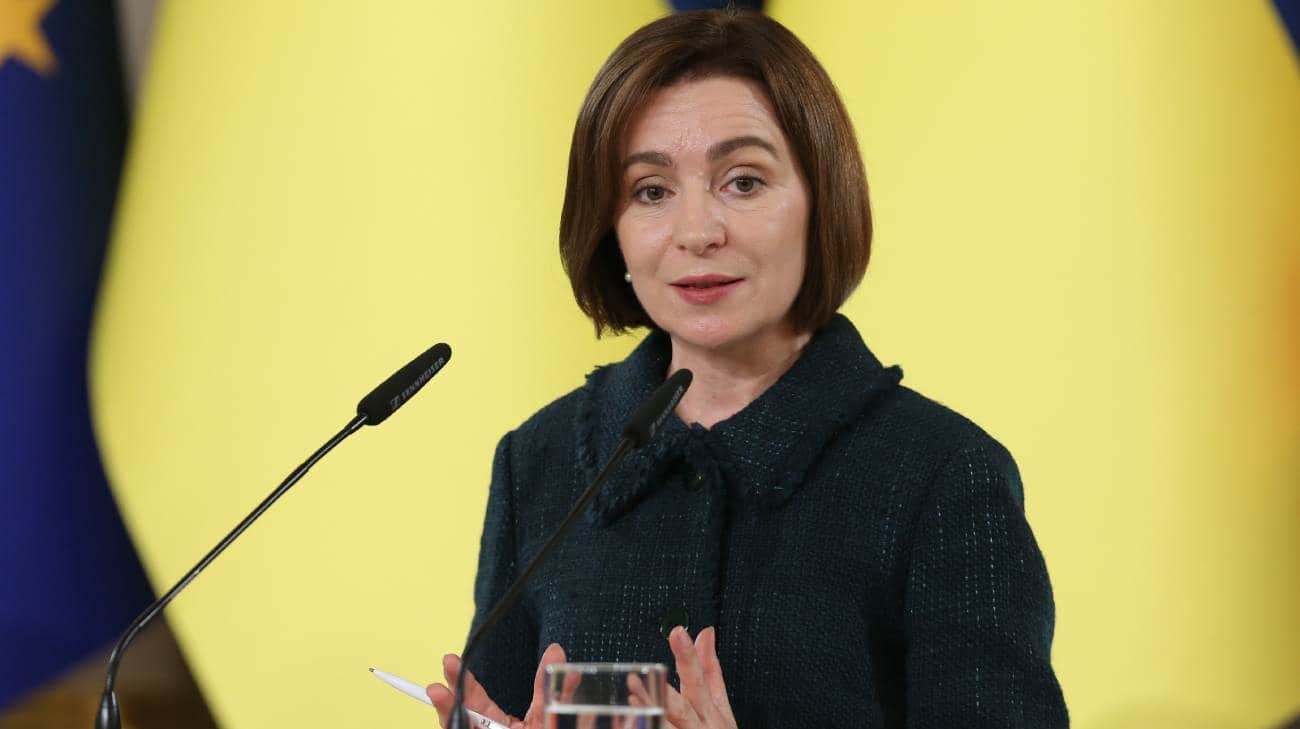
Maia Sandu Under Siege: Disinformation Campaign Escalates Against Moldovan President
Chisinau, Moldova – A sophisticated and multi-pronged disinformation campaign targeting Moldovan President Maia Sandu has intensified in recent weeks, raising concerns about the Kremlin’s attempts to destabilize the pro-European nation. The campaign, leveraging a network of bots, fabricated news stories, and online threats, appears designed to undermine Sandu’s leadership and erode public trust in her government. The escalating attacks coincide with Moldova’s growing alignment with the West and its staunch support for Ukraine amidst the ongoing Russian invasion.
The most visible element of this campaign is the activity of "Matryoshka," a pro-Kremlin bot network identified by disinformation researchers. Since mid-April, Matryoshka bots have flooded Twitter and BlueSky, a decentralized social media platform, with violent imagery and threats against President Sandu. These posts depict mock executions, including hangings, shootings, and electrocution, and ominously promise to "end" her on June 1st. While the specific nature of the threatened action remains unclear, the graphic nature of the posts serves to intimidate and create a climate of fear. This tactic echoes previous Kremlin-linked disinformation campaigns aimed at silencing dissenting voices and discouraging political opposition.
Adding fuel to the fire, the Fund for Combating Repression, an organization founded by the late Wagner Group leader Yevgeny Prigozhin, published a fabricated investigation accusing Sandu of involvement in the trafficking of Ukrainian children. The outlandish claim alleges that Sandu, with the complicity of Ukrainian First Lady Olena Zelenska, orchestrated the sale of refugee children to Western pedophile networks. The "investigation" relies on anonymous sources and articles from known pro-Kremlin outlets, lacking any credible evidence to substantiate its accusations. This disinformation tactic, reminiscent of past Russian propaganda efforts, seeks to exploit sensitive topics like child welfare to discredit Sandu and sow discord within Moldovan society.
The scale and sophistication of the disinformation campaign targeting Sandu have drawn comparisons to the "Storm-1516" operation, which interfered in the 2015 Bundestag elections in Germany. While there is no direct evidence linking Storm-1516 to the current attacks, analysts have noted striking similarities in the tactics employed. Both campaigns utilize fabricated news sources, anonymous "witnesses," dissemination of disinformation through English-language platforms, artificial intelligence, and the Fund for Combating Repression as a platform for spreading propaganda. These parallels suggest a coordinated and well-resourced effort to manipulate public opinion and undermine democratic processes.
The Fund for Combating Repression, despite its name, operates without official legal status and is headed by Mira Terada, an individual linked to other pro-Kremlin organizations. This lack of transparency and its association with known propaganda outlets further underscores the fund’s role in disseminating disinformation. The use of such a platform lends an air of legitimacy to the fabricated stories, making them more likely to be shared and believed by unsuspecting audiences. This tactic exploits the erosion of trust in traditional media and the proliferation of online disinformation, making it increasingly challenging for citizens to discern fact from fiction.
The current disinformation campaign against Sandu is not an isolated incident. Earlier this year, the Matryoshka bot network was identified spreading anti-Ukrainian propaganda on social media. This network not only disseminates disinformation but also actively engages with Western journalists, attempting to legitimize fabricated stories by seeking their verification. French intelligence services have attributed this operation to Russia, highlighting the Kremlin’s ongoing efforts to manipulate information and influence public discourse in the West. Moreover, the Moldovan presidential administration has been forced to debunk various other fabricated stories, including one about Sandu’s allegedly extravagant wardrobe and another involving a fraudulent email campaign falsely attributed to the tax service urging support for her political party.
The escalating disinformation campaign against Maia Sandu represents a serious threat to Moldova’s democratic stability and its pro-European trajectory. These coordinated attacks, leveraging sophisticated tactics and exploiting online platforms, underscore the Kremlin’s determination to undermine Sandu’s leadership and sow discord within Moldovan society. The international community must remain vigilant in exposing and countering these disinformation efforts, supporting independent journalism, and promoting media literacy to protect democratic values and ensure the resilience of Moldova’s political institutions. The future of Moldova’s democratic development may depend on the ability of its citizens and international partners to effectively counter this onslaught of disinformation.