


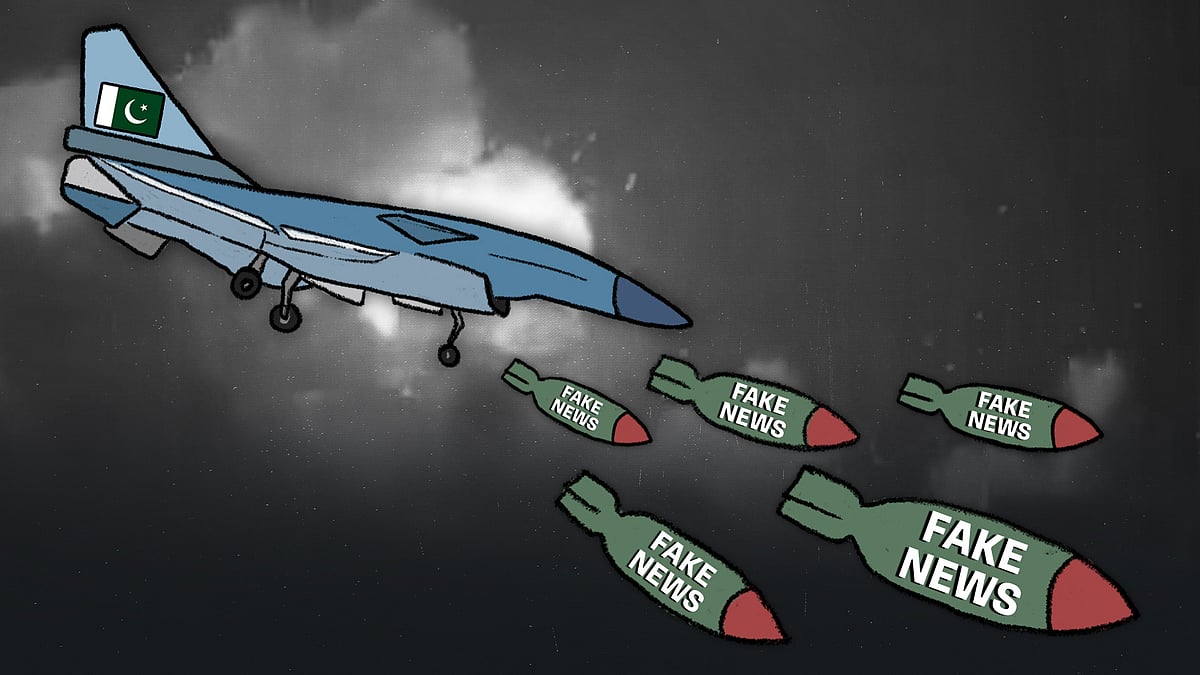
Pakistan’s Disinformation Campaign Following the Pahalgam Terrorist Attack
In the aftermath of the Pahalgam terrorist attack, a surge of disinformation emanating from Pakistan flooded social media and even seeped into mainstream media outlets. This coordinated digital offensive aimed to manipulate public opinion, sow discord within India, and obscure the facts surrounding the incident. The campaign employed a range of tactics, including fabricated news reports, doctored images and videos, and the resurrection of old internet hoaxes.
Pakistani state-run media played a significant role in disseminating false information. The Associated Press of Pakistan published entirely fabricated stories, ranging from claims of JF-17 Thunder jets destroying India’s S-400 air defense system to allegations of India launching missiles that landed within its own territory. Even the Director-General of Inter-Services Public Relations (ISPR), Lt Gen Ahmad Sharif Chaudhry, echoed these false claims on national television, adding to the confusion and escalating tensions.
The disinformation campaign extended beyond traditional media, leveraging social media platforms to amplify its reach. Analysis by cybersecurity and OSINT researcher Gagan Jain revealed a wave of coordinated hashtag campaigns, primarily originating from Pakistani accounts. Hashtags like #IndianFalseFlag were used extensively to spread accusations against Indian Prime Minister Narendra Modi, portraying him as orchestrating the Pahalgam attack as a pretext for military action. The campaign also employed disturbing tactics, such as AI-generated videos manipulating footage of mourning women and doctored images falsely depicting Modi’s arrest by Pakistani authorities.
Adding to the complexity of the disinformation campaign was the resurgence of the "Dance of Hillary" virus hoax, a debunked internet myth from 2016 falsely claiming a file could wipe out computer systems. While baseless, the hoax added to the atmosphere of panic and distrust, especially among less tech-savvy internet users. This demonstrates the opportunistic nature of the disinformation campaign, exploiting existing anxieties and vulnerabilities.
The dangers posed by this disinformation campaign are significant. In a region with a history of conflict and nuclear capabilities, the potential for escalation based on false narratives is alarming. Experts emphasize the need for citizens to rely on official sources for information and for media outlets to exercise restraint and uphold journalistic standards by verifying information before disseminating it. Accountability for spreading false information is crucial to mitigating the risks posed by such campaigns.
The Indian government’s response to this disinformation campaign was swift, with the Press Information Bureau (PIB) and Ministry of Information and Broadcasting (MIB) actively debunking false claims on social media. Independent fact-checkers and vigilant individuals also played a crucial role in countering the spread of misinformation. While these efforts helped to limit the impact of the campaign, the incident highlights the persistent challenge posed by disinformation, particularly during times of heightened tension. Public awareness and media literacy are essential to combating the spread of false narratives and maintaining a well-informed populace.