


Frisco Stabbing Sparks National Debate and Online Vitriol
The fatal stabbing of 17-year-old Austin Metcalf, a white teenager, by 17-year-old Karmelo Anthony, a Black teenager, at a Frisco high school track meet in early April has ignited a national conversation and sparked a torrent of hateful online rhetoric. While Metcalf’s father has publicly stated that race was not a factor in the attack, and the official police report makes no mention of racial motivations, online speculation and accusations have proliferated, fueling racial tensions and leading to real-world consequences for both families.
The online vitriol directed at Anthony’s family has been particularly intense, including racist attacks and death threats. Jake Lang, a figure pardoned by President Trump after the January 6th Capitol attack, has been a prominent voice in spreading inflammatory rhetoric online, labeling Anthony a "black thug" and characterizing the incident as part of a larger pattern of Black violence. The Anthony family has been forced to relocate and take other protective measures due to the threats they’ve received. Conversely, Metcalf’s family has been swatted and harassed for condemning the racist attacks against the Anthonys and for purportedly downplaying a racially charged incident.
This online frenzy is largely fueled by misinformation and disinformation, amplified by social media algorithms that prioritize engagement and virality. False narratives, such as claims that the Anthony family used GoFundMe donations to purchase a new house and car, and unsupported accusations of Metcalf using racial slurs, have spread rapidly, further exacerbating tensions and obscuring the facts of the case.
Experts in social media and criminal justice point to several factors contributing to the online firestorm. The inherent human tendency to focus on shocking content, the frequency bias that leads to increased belief in repeated information, and the anonymity afforded by online platforms all contribute to the spread of unfounded claims and hateful rhetoric. Furthermore, some argue that the divisive political climate, particularly surrounding issues of race and immigration, has created a fertile ground for such narratives to take root and flourish.
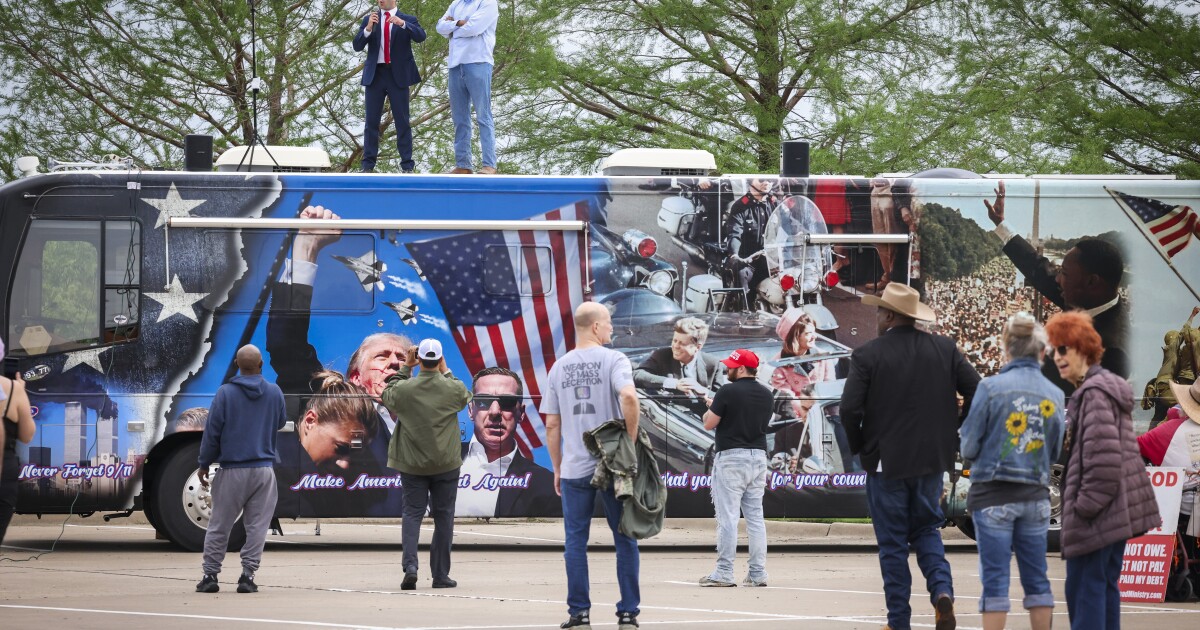
The real-world consequences of the online vitriol extend beyond the families directly involved. The judge who lowered Anthony’s bail has also received threats, and the Frisco Police Department has been forced to address the spread of misinformation publicly. The case has also attracted outside agitators like Lang, who organized a "Protect White Americans" rally in Frisco, further inflaming racial tensions and attracting individuals with a range of extremist views.
The ongoing online discourse not only harms the families involved but also poses challenges for the legal proceedings. Finding an unbiased jury may be difficult, potentially leading to a change of venue and prolonging the case. The pervasive misinformation and disinformation create a “white noise” that interferes with the pursuit of justice and adds to the suffering of everyone involved. The Frisco police department and Collin County District Attorney have pleaded with the public to rely solely on official sources for information and to cease the spread of unsubstantiated rumors. As the legal process unfolds, the case serves as a stark reminder of the destructive power of online misinformation and the urgent need for critical media literacy in an increasingly polarized digital landscape.