


The Kolkata Coin Chaos: A Symptom of Widespread Numismatic Misinformation
On July 26, 2025, chaos erupted on the streets of Kolkata as thousands of people, many from distant states, descended upon a coin exhibition hoping to sell their old coins for exorbitant sums. This frenzy was fueled by a pervasive network of social media influencers spreading disinformation about the value of rare coins. The Numismatic Society of Calcutta (NSC), organizers of the event, were overwhelmed by the unexpected turnout. What was intended to be a quiet gathering of coin enthusiasts transformed into a scene of pandemonium as people, misled by false promises of riches, clutched their “rare” coins, expecting instant wealth. The situation escalated to the point where police intervention was necessary to temporarily shut down the exhibition.
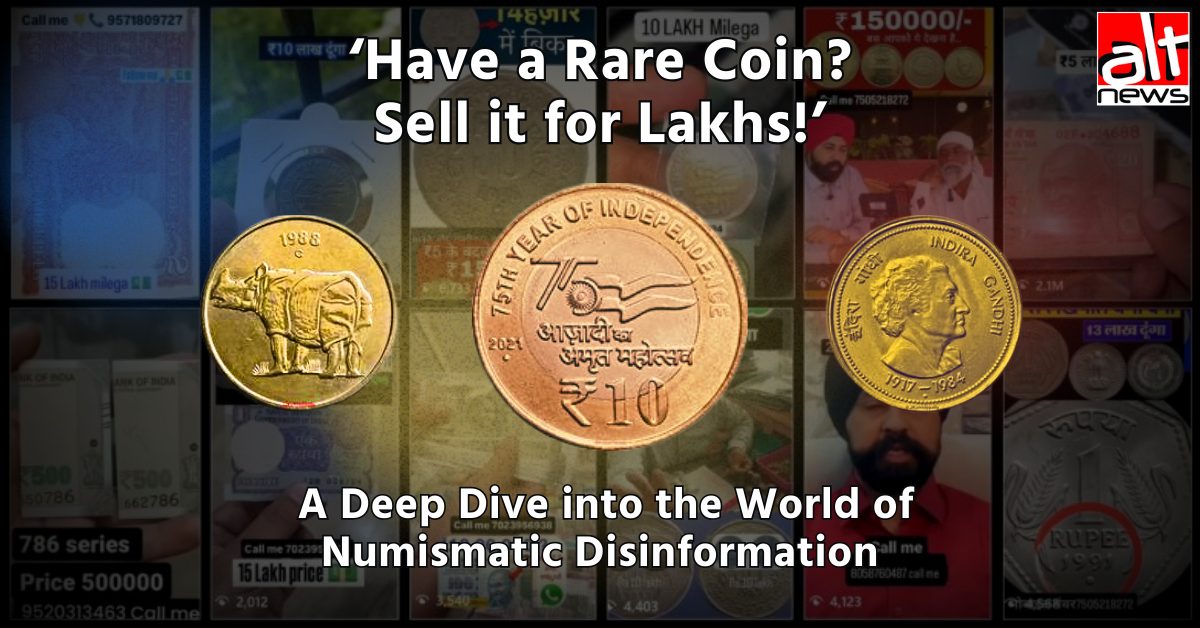
The incident in Kolkata is not an isolated event. A thriving online industry built on numismatic disinformation preys on unsuspecting individuals. Hundreds of influencers across various social media platforms, including Instagram, Facebook, and YouTube, propagate misleading information through doctored videos, clickbait titles, and fabricated claims. These influencers dangle the allure of quick riches by falsely asserting that ordinary coins, such as those featuring Mata Vaishno Devi or the rhinoceros 25 paisa coin, are worth lakhs or even crores of rupees. Millions of views on these videos testify to the widespread reach and impact of this misinformation.
The influencers employ a variety of tactics to deceive their audience. Some videos display ludicrous valuations alongside phone numbers, encouraging viewers to contact them. Others feature doctored clips of police officers and journalists, falsely implying endorsements from authorities. Some influencers claim affiliation with the Reserve Bank of India (RBI), falsely asserting that the institution has authorized the purchase of old currency for inflated prices. These claims often target vulnerable individuals, such as those hoping to fund significant life events or improve their financial situation.
Alt News’s investigation into this phenomenon reveals a pattern of deception. Upon contacting one influencer, a correspondent was promised Rs 8 lakh for a common 25 paisa rhinoceros coin. The influencer requested personal information, including address, Aadhaar card details, and a selfie, followed by a Rs 750 “RBI registration” fee. This fee was presented as a prerequisite for receiving an “RBI letter” confirming the valuation and facilitating the transaction. The inconsistencies, lack of verifiable credentials, and exorbitant price quote exposed the fraudulent nature of the operation.
Experts in numismatics debunk the claims propagated by these influencers. They emphasize that age alone does not determine a coin’s value. Factors like rarity, mint condition, historical significance, and collector demand play crucial roles in determining a coin’s market price. Coins currently in circulation, such as the Azadi Ka Amrit Mahotsav (AKAM) commemorative coins, are unlikely to be worth substantial amounts. The NSC clarifies that the figures quoted in viral videos are grossly inflated and often baseless. Experienced coin collectors and dealers confirm that the vast majority of old coins have minimal resale value.
The proliferation of this misinformation has real-world consequences. News reports chronicle instances of individuals being defrauded of significant sums after falling prey to online coin scams. Victims are lured by promises of high returns, then subjected to a barrage of fees and charges under various pretexts. In some cases, scammers impersonate police officers or RBI officials, threatening victims with legal action if they refuse to pay. These scams exploit people’s financial vulnerability and lack of knowledge about numismatics, often leaving them devastated.
The Kolkata incident serves as a stark reminder of the dangers of misinformation in the digital age. The widespread dissemination of false claims about coin valuations has not only caused chaos and disappointment but also facilitated financial exploitation. It is crucial for individuals to approach online information with skepticism, verify claims from reliable sources, and exercise caution when engaging in online transactions. Numismatics is a field for enthusiasts, historians, and researchers driven by a passion for history, not a shortcut to riches. The pursuit of knowledge and critical thinking are essential safeguards against falling prey to misinformation and protecting oneself from online scams.