


The Rise of Networked Incitement: How Social Media Fueled the January 6th Insurrection
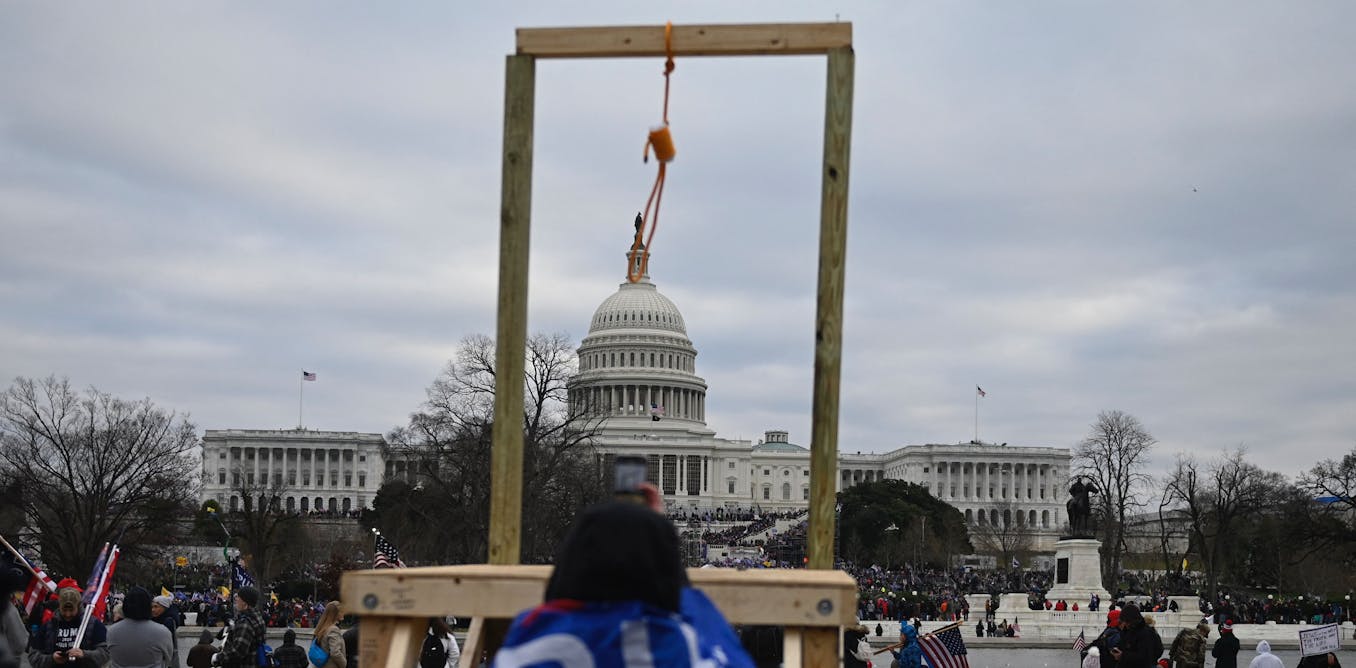
The January 6th attack on the US Capitol was a jarring departure from the largely peaceful protests that have characterized recent decades. It marked a dangerous turning point, where a sitting president leveraged the power of social media to incite a mob to violence, directing an assault on the very heart of American democracy. This new phenomenon, termed "networked incitement," involves influential figures using online platforms to orchestrate and coordinate large-scale political violence. The events of that day exposed the vulnerability of democratic institutions to manipulation in the digital age and highlighted the urgent need for strategies to combat this emerging threat.
The January 6th insurrection was not a spontaneous eruption of anger but a carefully coordinated assault, meticulously planned and executed across multiple social media platforms. These platforms served as the command and control centers for the insurrectionists, facilitating communication, coordinating logistics, and disseminating instructions in real-time. While social movements have historically relied on mainstream media to amplify their message and gain legitimacy, the insurrectionists, fueled by the president’s direct appeals, bypassed traditional media channels, relying instead on the echo chamber of social media to mobilize their supporters. This direct line of communication between the president and his followers created a highly charged environment ripe for manipulation and violence.
The violence of January 6th was not simply a product of online rhetoric. It involved a chilling level of premeditation and preparation. Investigations into extremist groups like the Oath Keepers revealed a disturbing arsenal of weapons strategically positioned near Washington, D.C. – a stark reminder of the potential for even greater bloodshed. The Oath Keepers, comprised largely of former military and law enforcement personnel, testified about stockpiling weapons in anticipation of President Trump invoking the Insurrection Act. Their restraint, they claimed, hinged solely on the absence of a direct order from the president – a chilling testament to the precariousness of democratic stability on that day.
The House Select Committee hearings on the January 6th attack underscored the pivotal role of President Trump’s social media pronouncements in inciting the violence. His tweets served as both a rallying cry and a call to arms, mobilizing supporters to converge on the Capitol and "fight like hell" to overturn the election results. This direct communication between the president and his followers, bypassing traditional media filters, created an environment of heightened tension and fueled the flames of insurrection. The events of January 6th demonstrated how social media can be weaponized to spread disinformation, incite violence, and undermine democratic processes.
To understand the motivations of those who stormed the Capitol, researchers analyzed hundreds of charging and sentencing documents, seeking insights into the mindset of the insurrectionists. The analysis revealed a consistent pattern: participants were overwhelmingly driven by a fervent belief in President Trump’s claims of a stolen election and a desire to support him in his efforts to overturn the results. This unwavering loyalty, fueled by a steady diet of disinformation, transformed ordinary citizens into willing participants in an assault on American democracy. The study highlights the potent combination of charismatic leadership, disinformation, and social media mobilization in driving political violence.
The events of January 6th serve as a stark warning about the perils of networked incitement in the digital age. The combination of a charismatic leader, a receptive audience primed by disinformation, and the amplifying power of social media created a volatile mix that led to a direct assault on the US Capitol. This new form of political violence, where social media serves as a tool for mobilization and incitement, poses a significant threat to democratic institutions worldwide. Addressing this threat requires a multi-pronged approach, including stricter regulations on social media platforms, enhanced media literacy to combat disinformation, and a renewed commitment to protecting the integrity of democratic processes. Failure to act decisively risks further erosion of democratic norms and the potential for even more devastating attacks in the future. The events of January 6th must serve as a wake-up call to safeguard our democracies against the insidious threat of networked incitement.