


Rebuilding Trust: Public Health Experts Tackle Misinformation and Community Engagement
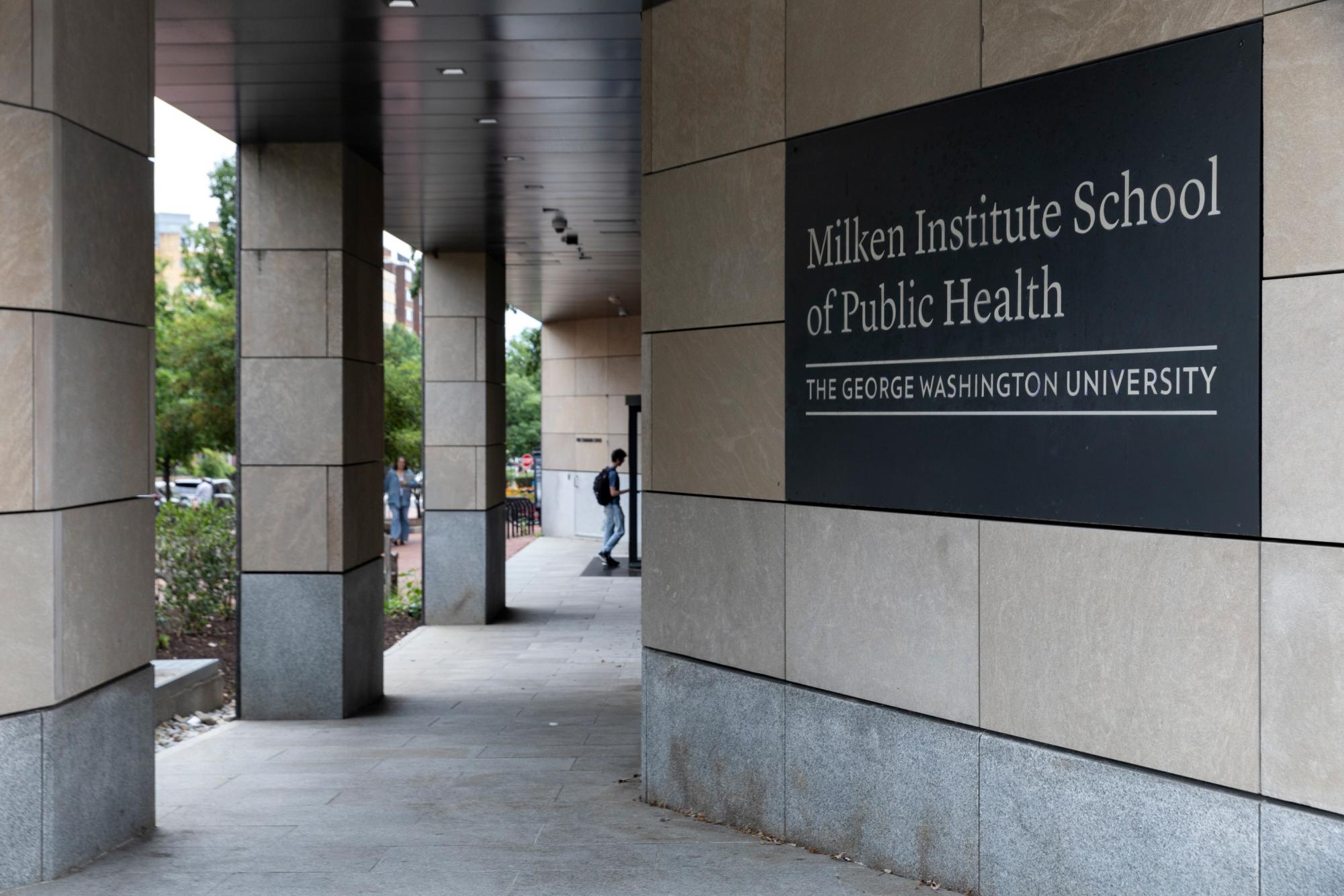
The Milken Institute School of Public Health hosted a crucial discussion on combating health misinformation and rebuilding trust in medical institutions, coinciding with National Public Health Week. Experts emphasized the urgent need for improved communication strategies and stronger community relationships, acknowledging past missteps and the evolving media landscape. The two-panel discussion tackled the complex challenges facing public health, ranging from historical injustices to the rampant spread of misinformation online. Dean Lynn Goldman set the stage, highlighting the resilience and innovation within the field of public health amidst unprecedented challenges. Her opening remarks underscored the fundamental principle that health is a right for all, a driving force behind the public health movement.
The first panel delved into the critical issue of trust, recognizing its erosion due to historical events like the Tuskegee syphilis experiment. Julia Daisy Fraustino, Joel Bervell, and Georges Benjamin addressed the need to confront these past wrongs and build genuine connections with communities. Bervell stressed the importance of acknowledging historical medical racism and its lingering impact on trust in healthcare, particularly among minority communities. This distrust, he argued, hinders effective health interventions as communities become skeptical of outreach efforts. Benjamin highlighted the impersonal nature of government communication during the COVID-19 pandemic, contrasting it with the personalized relationships doctors have with their patients. This disconnect, he explained, hampered the effectiveness of public health messaging. He emphasized the success of community engagement during the HIV/AIDS epidemic, demonstrating that building trust requires demonstrating genuine care and understanding.
The second panel explored strategies for navigating the changing information landscape and fostering trust in a polarized environment. Veena Thamilselvan, Brian Castrucci, and Sara Rosenbaum discussed adapting to new challenges, including declining trust and the rise of misinformation. Castrucci urged public health professionals to engage with diverse political viewpoints, including conservatives, to bridge the gap in trust and ensure inclusive communication. He pointed to the disparity in trust in scientists between Democrats and Republicans, underscoring the need to reach out to all segments of society. The online environment, he noted, has amplified the reach of misinformation, making it easier for false narratives to gain traction. A recent study analyzing online videos about sinusitis illustrated this point, revealing that a significant portion of videos from non-medical influencers contained inaccuracies yet reached millions of viewers.
Thamilselvan shared her work with high school students, focusing on media literacy and fostering empathetic communication. By empowering young people to identify misinformation and communicate effectively, she aims to cultivate a new generation of trusted community leaders. This grassroots approach emphasizes the importance of peer-to-peer communication and building trust within local communities. Rosenbaum discussed the increasing difficulty in achieving bipartisan agreement on public health issues, contrasting the current climate with past bipartisan achievements like the Emergency Medical Treatment and Active Labor Act and the creation of the Environmental Protection Agency. She underscored the need to rediscover the common ground required for effective public policy in the face of increasing polarization.
The panelists’ insights underscored the interconnectedness of trust, communication, and effective public health interventions. Acknowledging past harms, engaging with communities, and adapting to the evolving media landscape are crucial steps towards rebuilding trust. The emphasis on empowering future generations through media literacy training and community engagement suggests a long-term approach to rebuilding trust in public health. The discussions also highlighted the challenges posed by political polarization and the need for inclusive outreach to all segments of society.
Moving forward, public health officials must prioritize clear, empathetic, and culturally sensitive communication. Building trust requires not only addressing past harms but also actively engaging with communities, understanding their concerns, and tailoring health messages to their specific needs. The rapid spread of misinformation online demands a multi-pronged approach involving media literacy education, fact-checking initiatives, and collaboration with trusted community leaders. The digital age presents both challenges and opportunities for public health. While misinformation can spread rapidly online, digital platforms also provide new avenues for reaching and engaging with communities. By leveraging these platforms effectively and building strong community partnerships, public health officials can rebuild trust and ensure that everyone has the opportunity to lead a healthy life. The call for bipartisan cooperation underscored the need to transcend political divides and work together towards common goals in public health. The discussions at the Milken Institute School of Public Health provided a valuable roadmap for navigating the complex challenges and opportunities facing the field, emphasizing the essential role of trust, communication, and community engagement in building a healthier future for all.