


India-Pakistan Conflict Fuels Disinformation War on Social Media
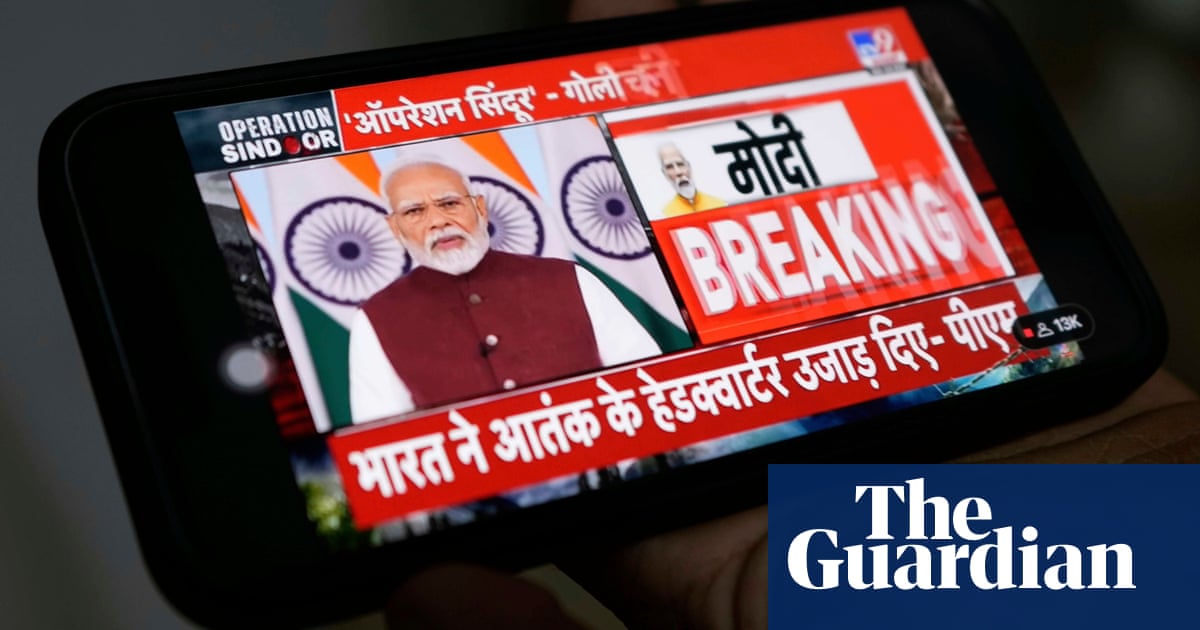
The recent military escalation between India and Pakistan, sparked by a militant attack in Kashmir, witnessed not only physical clashes but also an intense information war waged online. As missiles and drones filled the skies, social media platforms, particularly X (formerly Twitter) and Facebook, became battlegrounds for misinformation and disinformation campaigns. False narratives of Pakistani defeats, including fabricated reports of downed jets, captured cities, and a coup against the military chief, proliferated rapidly across Indian social media. These claims, often accompanied by manipulated or out-of-context images and videos, gained traction, even appearing on mainstream Indian news channels, amplifying their reach and impact.
Manipulated Media and Nationalist Fervor Fuel Falsehoods
The disinformation campaign employed a variety of tactics. Recycled footage, AI-generated imagery, and video game simulations were used to create convincing but entirely false depictions of Pakistani military victories. These visuals were then disseminated through social media, often by accounts openly supporting the ruling Bharatiya Janata Party (BJP), and amplified by prominent journalists and government ministers. This created an echo chamber where false narratives gained credibility and fueled nationalist sentiment. Similar, though less widespread, instances of misinformation also originated from Pakistan, highlighting the susceptibility of both nations to such tactics.
Fact-Checkers and Analysts Raise Concerns Over Escalation Risks
Fact-checkers and analysts have meticulously documented the scale and scope of this disinformation war. Reports highlight how X and Facebook became breeding grounds for war narratives, hate speech, and manipulative disinformation, further inflaming nationalist tensions. While misinformation and propaganda are not new to India-Pakistan relations, the intensity and reach of this latest campaign raised serious concerns. Experts warn that such tactics, mirroring those witnessed in the Russia-Ukraine conflict, have the potential to escalate real-world tensions and push the two nuclear-armed neighbors closer to a larger conflict.
Social Media Platforms Struggle to Contain the Deluge of Disinformation
Social media platforms have faced criticism for their failure to effectively moderate and control the spread of disinformation. Despite efforts to remove content, label false information, and reduce the reach of debunked stories, the volume of misinformation proved overwhelming. A study by the Centre for the Study of Organized Hate (CSOH) found that a significant portion of the most concerning posts on X, some with millions of views, remained unflagged. This points to the challenges social media companies face in combating rapidly evolving and sophisticated disinformation campaigns, particularly during times of heightened geopolitical tensions.
Indian Media Under Scrutiny for Amplifying Falsehoods
The role of Indian mainstream media in amplifying disinformation has come under intense scrutiny. Several prominent news channels broadcast false claims as breaking news, adding a veneer of credibility to fabricated reports. Critics allege these channels abandoned journalistic neutrality and acted as propaganda mouthpieces for the government. Formal complaints have been lodged against several channels for ethical violations and promoting unsubstantiated claims. This incident further erodes the credibility of Indian media, which has already been criticized for its pro-government stance under the Modi administration.
Government Denies Involvement, Citing "Fog of War"
The Indian government has denied any involvement in the disinformation campaign, asserting that it actively worked to counter misinformation by setting up monitoring centers and issuing fact-checks. It also claims to have cooperated with social media platforms to remove accounts spreading disinformation. However, the government simultaneously acknowledges the "fog of war," suggesting that some misinformation is inevitable during conflict. This response raises questions about the government’s commitment to tackling disinformation and the extent to which it distinguishes between genuine confusion and deliberate manipulation in the digital sphere. The incident underscores the urgent need for robust mechanisms, both by governments and social media platforms, to combat disinformation and ensure accurate reporting during times of conflict, especially when the stakes are as high as they are for India and Pakistan.