


Poland Intercepts Russian Drones, Sparking Disinformation War
In a dramatic escalation of tensions, the Polish armed forces shot down multiple Russian drones that violated the nation’s airspace during an overnight attack on neighboring Ukraine. The incident, which occurred in the early hours of Wednesday, immediately triggered a wave of online activity, with videos and images purporting to depict the event rapidly circulating. Polish officials quickly condemned what they described as a surge in Russian propaganda and disinformation aiming to destabilize the situation and undermine Poland’s security. Prime Minister Donald Tusk took to social media platform X to denounce the propaganda campaign, characterizing it as a direct threat to Poland’s safety.
The Kremlin responded with its own accusations, alleging that Poland was fabricating the drone incursion to exacerbate the ongoing Ukrainian conflict. This official narrative was amplified by pro-Kremlin media outlets and military bloggers who disseminated disinformation casting doubt on the incident. Some denied the existence of any evidence supporting the downing of Russian drones, while others floated alternative explanations, suggesting a “provocation by Ukraine” or the involvement of “unidentifiable objects.” This rapid dissemination of conflicting narratives underscored the importance of verifying information amidst the escalating information war.
European Commission President Ursula von der Leyen confirmed the drones were Shahed drones, an Iranian design frequently employed by Russia in its attacks against Ukraine. This incident was not isolated; previous discoveries of Shahed drone debris in Poland earlier in the summer indicated a pattern of Russian drone activity near the border. The repeated incursions raised concerns about potential escalation and the need for increased vigilance against further violations of Polish airspace. The confirmation of the drone type by a high-ranking European official lent further credence to Poland’s account of the events.
Amidst the flurry of online content surrounding the incident, various false and misleading claims emerged. One widespread video circulating on TikTok, purportedly showing Polish fighter jets intercepting a “record number” of Shahed drones, was debunked as footage from the video game Arma 3. The realistic graphics of the game were exploited to create a convincing, yet entirely fabricated, depiction of the incident. Similar instances of video game footage misrepresented as real events have been observed in the past, highlighting the need for critical assessment of online content.
Another misleading video shared on TikTok claimed to show a Russian drone over Poland on September 10, 2025. The daylight depicted in the video contradicted the timing of the actual incident, which occurred overnight, and the footage itself was linked to earlier, unrelated events. While the precise origin of this video remained unclear, its reuse in different contexts underscored the prevalence of recycled content being repurposed to fit current narratives. The prevalence of this tactic highlights the importance of verifying the date and context of online videos.
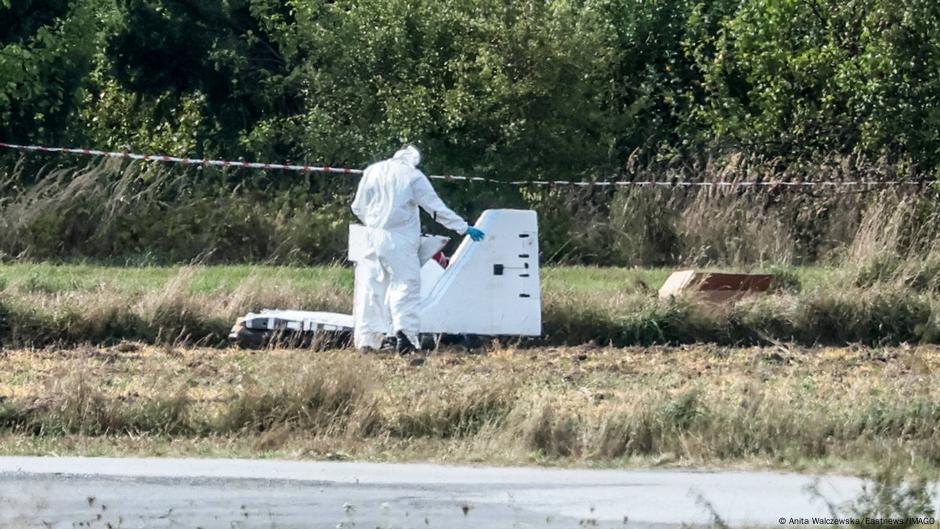
Conflicting narratives also arose regarding the crash sites of the downed drones. While Polish authorities confirmed several crash sites in eastern Poland, a social media post suggested an additional drone had crashed hundreds of kilometers away in Mniszkow, western Poland. This claim, initially met with skepticism, was subsequently verified through official sources and photographic evidence. Images matching the location in Mniszkow, depicting a downed drone with a Russian military identification number, were published by news agencies and media outlets, confirming the wider dispersal of the drone debris.
This incident underscores the complex information environment surrounding the ongoing conflict in Ukraine. The rapid spread of both genuine footage and manipulated content, combined with official statements and counter-statements, creates a challenging landscape for accurate information gathering. The quick dissemination of disinformation further complicates the situation, emphasizing the crucial role of fact-checking and media literacy in navigating this information war. The incident’s ripple effects extend beyond Poland, highlighting the potential for misinformation to rapidly escalate tensions on a regional and international scale. The need for responsible reporting and careful verification of online content has become paramount in this increasingly complex information landscape.