


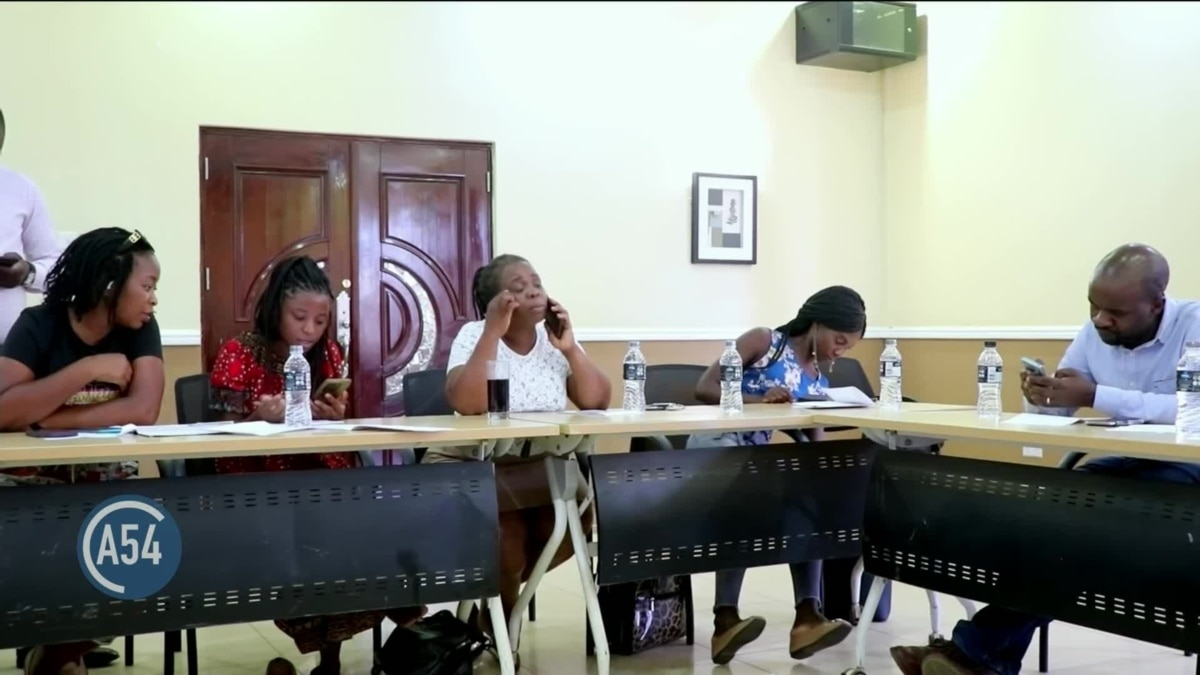
Malawi’s Fight Against Misinformation: A Deep Dive into MISA’s Efforts
In the heart of Southern Africa, Malawi grapples with an insidious foe: misinformation. In a nation where access to reliable information is often hampered by limited resources, technological gaps, and socio-political complexities, the spread of false or misleading narratives poses a significant threat to democratic processes, public health, and social cohesion. This intricate web of challenges necessitates a robust response, and at the forefront of this critical battle stands the Media Institute of Southern Africa (MISA) Malawi chapter. MISA Malawi, a non-governmental organization dedicated to promoting media freedom and freedom of expression, has embarked on a multi-pronged approach to bolster accuracy in reporting, strengthen journalistic credibility, and empower citizens to navigate the turbulent waters of the information landscape.
One of the primary obstacles to accurate reporting in Malawi is the pervasive issue of limited resources. Many media houses, particularly community radio stations which serve as crucial lifelines for information in rural areas, struggle with inadequate funding, outdated equipment, and a scarcity of trained personnel. This resource deficit restricts their capacity to conduct thorough fact-checking, verify information through multiple sources, and engage in in-depth investigative journalism. MISA Malawi recognizes this critical challenge and is actively working to provide training programs, workshops, and resources to equip journalists with the essential skills and tools for accurate and responsible reporting. These initiatives aim to strengthen fact-checking mechanisms, promote ethical journalistic practices, and enhance the capacity of media organizations to deliver credible information to the public.
Further compounding the challenge is the digital divide, which limits access to information and restricts the ability of many Malawians to cross-check information from diverse sources. Internet penetration remains relatively low in the country, particularly in rural communities, creating an information gap that leaves many vulnerable to misinformation. MISA Malawi is actively engaging in initiatives to bridge this digital divide through advocacy for improved internet access and the development of mobile-based information platforms that disseminate verified news and information to wider audiences. They are also conducting digital literacy training programs to empower citizens with the skills to critically evaluate online information and identify potential misinformation.
Adding another layer of complexity is the political landscape. Malawi, like many developing democracies, has experienced periods of political tension and polarization, which can exacerbate the spread of misinformation and disinformation for political gain. During election cycles, the proliferation of false narratives and propaganda can significantly impact public opinion and undermine the integrity of the democratic process. MISA Malawi works to monitor media coverage during elections, identify instances of hate speech and misinformation, and advocate for responsible and balanced reporting. They also provide platforms for dialogue and engagement between political actors and the media to promote greater transparency and accountability.
Beyond these overarching challenges, MISA Malawi grapples with the nuanced dynamics of trust and credibility within the media landscape. Building public trust in the media is a long-term endeavor that requires consistent adherence to ethical standards, demonstrable commitment to accuracy, and genuine engagement with communities. MISA Malawi promotes a culture of self-regulation within the media sector, encouraging media organizations to adopt codes of conduct and establish internal mechanisms for addressing complaints and ensuring accountability. They also advocate for the protection of journalists and whistleblowers who play a critical role in uncovering corruption and holding power to account.
Looking towards the future, MISA Malawi’s sustained efforts to combat misinformation promise a more informed and empowered citizenry. By equipping journalists with the skills and resources to uphold the highest standards of accuracy, fostering media literacy among the public, and promoting a culture of transparent and accountable journalism, MISA Malawi is playing a vital role in strengthening democracy and fostering social progress in Malawi. Their continued dedication to this critical mission will be instrumental in navigating the complex information landscape and ensuring that citizens have access to the credible information they need to make informed decisions and participate fully in the democratic process. The fight against misinformation is a continuous struggle, and MISA Malawi’s tireless efforts stand as a beacon of hope in the pursuit of truth and accuracy in the Malawian media ecosystem.