


Here is a comprehensive news article summarizing the content, structured precisely into six paragraphs as requested.
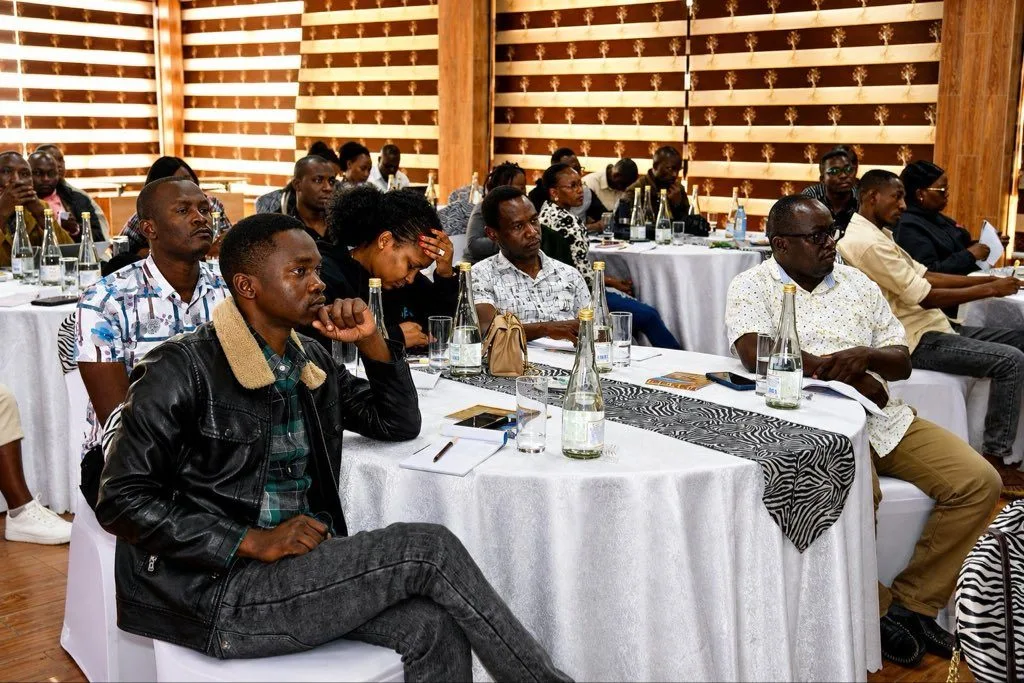
NAIROBI, Kenya — A landmark two-day intensive programme concluded in Nairobi this week, uniting the primary communication architects of Kenya’s criminal justice and security apparatus with the frontline journalists who chronicle their work. Organized by the International Justice Mission (IJM) Kenya, the initiative was meticulously designed to strengthen institutional messaging and media collaboration ahead of the highly anticipated 2027 General Election—a period historically characterized by heightened political tension, a rapid proliferation of unverified information, and significant potential for public disorder. The programme’s distinct dual focus on professional capacity-building and personal mental wellness underscored a holistic understanding that those tasked with safeguarding information integrity operate under immense pressure, necessitating both strategic tools and robust psychological support to navigate their duties effectively.
The distinguished roster of participants reflected the critical intersection of state authority and media freedom. High-ranking communication officers and official spokespersons from the National Police Service (NPS), the National Police Service Commission (NPSC), the Internal Affairs Unit, the Office of the Director of Public Prosecutions (ODPP), the Witness Protection Agency (WPA), and the Independent Policing Oversight Authority (IPOA) engaged in direct, unfiltered dialogue with their counterparts from the Crime Journalists Association of Kenya (CJAK) and the Court Reporters Association of Kenya (CRAK). This unique convergence provided a rare neutral ground to recalibrate the often-adversarial dynamic between the press and state institutions. For the government bodies, the objective was to refine messaging into a more transparent, accurate, and credible channel; for journalists, the goal was to secure dependable access to verifiable information while gaining a nuanced understanding of the operational and legal constraints that govern official disclosures in sensitive security and judicial matters.
Central to the substantive discourse was the formidable challenge of navigating the treacherous landscape of misinformation and disinformation that inevitably intensifies during electioneering campaigns. Participants grappled with the complex task of maintaining a steady, accurate, and timely flow of information while operating within a digital ecosystem teeming with malicious fabrications and viral unverified claims. A core principle articulated throughout the sessions was the absolute necessity of rigorous fact-checking and verification protocols prior to any publication or broadcast. One of the programme’s trainers, Asha, delivered a poignant and defining ethical clarification of this responsibility, stating: “When verification is incomplete, responsible communication does not mean silence, and it does not mean speculation. It means communicating what is known, clearly identifying what is being verified and updating the public when reliable information is established.” This directive urged both journalists and state communicators to resist the immense pressure to be first, instead prioritizing the accuracy that prevents public panic, protects individual reputations, and upholds the integrity of ongoing legal processes.
The programme delved deeply into the strategic frameworks that institutions must adopt when responding to emerging issues during a crisis. A significant segment was dedicated to a critical decision-making matrix that addressed three fundamental questions: whether a specific matter warrants a public response at all, who within the institution should be designated as the authoritative voice for the statement, and when the response should be timed to maximize clarity while minimizing unintended consequences. However, a key cautionary lesson was impressively imparted: the defensive instinct to rebut every rumor or allegation must be strictly tempered. Trainers warned that official responses to baseless claims often inadvertently amplify the original disinformation, lending it undeserved credibility and expanding its audience reach. More critically, excessive or ill-timed official commentary could interfere with active criminal investigations, compromise delicate witness protection protocols, or prejudge cases that remained sub judice. The resulting consensus established that strategic restraint—and at times, carefully calculated silence—represents the most responsible and effective action available to institutions safeguarding the rule of law.
Beyond the tactical aspects of communication, the forum served as an essential platform for honest introspection regarding the operational relationship between the media and state institutions. A recurring and formidable obstacle identified by both sides was the pervasive phenomenon of “working in silos.” Institutional communication units frequently operate in isolation from the newsrooms that cover them, leading to fragmented reporting, an over-reliance on unnamed or unofficial sources, and a systemic breakdown of mutual trust. Delegates strongly advocated for the dismantling of these silos through the establishment of coordinated joint briefings, a shared understanding of editorial deadlines, and the facilitation of regular off-the-record consultations to build rapport. As Kenya accelerates toward the 2027 General Election, the imperative for closer collaboration has never been more acute. Participants stressed that breaking down these barriers and strengthening engagement between the media and justice-sector institutions is the most reliable pathway to ensuring the Kenyan public receives factual, timely, and properly contextualized information—thereby fostering an informed and resilient electorate capable of navigating the political season without succumbing to manipulation or needless societal alarm.
Recognizing that the high-stakes nature of this work exacts a profound psychological toll, IJM Kenya integrated a comprehensive wellness component into the very fabric of the agenda. Professional counsellors were brought in to conduct structured group counselling sessions, designed to help participants effectively manage severe work-related pressures, including burnout, vicarious trauma resulting from covering violent crime, and the chronic anxiety of operating in potentially hostile environments. These sessions offered a confidential and safe space for delegates to process the heavy emotional weight of their daily duties. Additionally, carefully curated team-building activities were woven throughout the programme, strategically engineered to foster interpersonal trust and camaraderie. The initiative sought to bridge the divide between uniformed officers and journalists, transforming them from transactional contacts into professional collaborators grounded in mutual respect and shared national purpose. As the country prepares for the electoral cycle, this holistic approach by IJM Kenya represents a proactive and deeply meaningful investment in the resilience of the individuals who stand on the front lines of information integrity, ultimately safeguarding public trust and preserving the credibility of Kenya’s democratic institutions during a period of immense national scrutiny.