


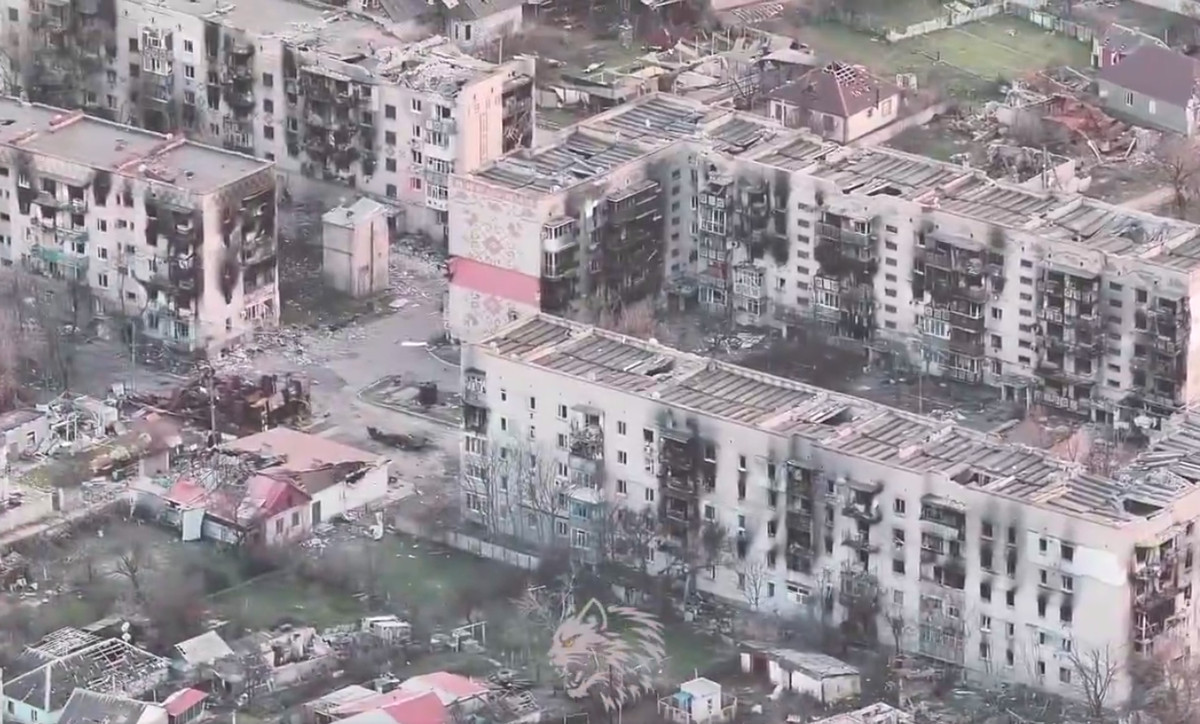
As reports emerge of a ceasefire in Russian-occupied Oleshky, Kherson region, beginning Oct. 29, the Kremlin is already moving to manage the narrative around one of the most severe humanitarian catastrophes of the war. Oleshky, a town on the eastern bank of the Dnipro River, has been under Russian occupation for most of the conflict, and its civilian population has endured months of isolation, shelling, and hunger. The reported ceasefire and ongoing discussions over the technical details of evacuation are being framed by Moscow as a humanitarian gesture, but the underlying purpose, according to the available reporting, is to repair the reputational damage caused by the crisis and to shift blame onto Ukraine. As those discussions continue, the global community should expect a controlled press tour of the occupied part of the Kherson region, a familiar Kremlin tactic designed to give international audiences a sanitized, distorted version of events on the ground. Kremlin-funded media have already begun gaslighting and redirecting responsibility for the crisis onto the Ukrainian military. On Oct. 7, Ukraine’s Security Service warned that Russia was launching information and psychological operations centered on Oleshky. According to operational data cited by the SBU, servicemen from occupying units had been ordered to prepare a series of compromising interviews with residents of the town, in which local people were required to accuse the Ukrainian Defense Forces of constant shelling and blockade, to discredit the decisions of Ukraine’s military and political leadership, and to express gratitude toward the Russian military. Following those orders, one of the leading Kremlin propagandists, Margarita Simonyan, shared a video of Oleshky residents accusing Ukrainian forces of carrying out the attacks, an example of the coordinated disinformation campaign intended to preempt international scrutiny and obscure the real causes of the suffering.
The reality on the ground, however, is very different from the image Moscow is attempting to project. Ukrainian military units have spent months trying to save civilians trapped in Russian-occupied Oleshky, despite relentless Russian obstruction. The 34th Separate Marine Brigade “Borysfen” has been delivering food and essential supplies by drone across the Dnipro River, because Russian forces have blocked all conventional humanitarian access to the town. Those drones have been fired upon, and supplies intended for starving civilians have been confiscated by Russian troops. This pattern of deliberately creating a humanitarian emergency and then weaponizing the resulting suffering is a hallmark of Russian strategy. With the United States now involved in the reported ceasefire process, Moscow can turn to a familiar strategy: orchestrated press tours for foreign journalists. Since the beginning of the full-scale invasion in 2022, the Kremlin has organized controlled visits to occupied Ukrainian territory in order to promote its narratives and present itself as a legitimate authority restoring order. Journalists, bloggers, and influencers, presented as independent foreign reporters, are taken to preselected locations, allowed to interview preselected witnesses, and shown carefully arranged scenes. The resulting reports are then disseminated as if they were independent verification of Moscow’s claims. Russia organized such visits to Mariupol in 2022, followed by recurring tours of the Zaporizhzhia Nuclear Power Plant and other occupied Ukrainian cities. The international community should understand that these tours are not journalism; they are part of an organized international influence operation. In a 2024 report, Estonia’s Foreign Intelligence Service established that Russian intelligence services used state agencies and Kremlin-linked organizations to recruit foreign journalists, bloggers, and influencers for visits to occupied Ukrainian territory, arranging and financing their trips. Some participants were paid to produce reports. The Kremlin’s key objective, the report explained, is to reshape Western public opinion, undermine anti-Russian attitudes, and weaken support for Ukraine.
A brief history of Russia’s staged disinformation operations in Ukraine makes clear that the tactics now being applied in Oleshky are well established. From the first months of the full-scale invasion, Russian authorities deployed large-scale information and psychological operations with a consistent pattern: create or exploit a humanitarian catastrophe, deny responsibility, blame Ukraine, and then present Russia as the rescuer. In Mariupol, Russian forces destroyed bridges, damaged railways and trains, and blocked food deliveries and evacuation routes, creating conditions reminiscent of those now reported in Oleshky. Russian propaganda then falsely claimed that Ukrainian troops were preventing civilians from evacuating and using them as human shields. After a Russian airstrike on the Mariupol maternity hospital, Kremlin-controlled media claimed that the attack had been staged by Ukraine and that injured pregnant women were actresses. The Russian Embassy in London amplified allegations that photographs of the victims were fake. After a Russian airstrike destroyed the Mariupol Drama Theater, where hundreds of civilians had taken shelter, Russian propaganda claimed that Azov fighters had blown up the building themselves and held civilians hostage inside. By June 2022, Russian television was broadcasting a guided tour of the theater’s ruins, during which the guide blamed the destruction on “Ukrainian Nazis.” At the same time, occupation authorities announced plans to resume performances at the destroyed theater, reinforcing a narrative of normalization. Kremlin-controlled media have consistently promoted stories of reconstruction, reopened cultural institutions, and the restoration of ordinary life in cities devastated by the Russian siege, a propaganda technique designed to erase the memory of Russian responsibility and create the false impression that civilians are safer under occupation.
The weaponization of hunger and the staging of public support have deep roots in Russian and Soviet practice. In Kherson, Russian occupation forces arranged to bring people from Crimea and occupied Donbas to stage a demonstration supporting the so-called “Kherson People’s Republic.” At the same time, they blocked humanitarian aid deliveries, creating a crisis so severe that they could then portray the occupiers as rescuers distributing food. This tactic of manufacturing a famine or humanitarian emergency and then presenting the occupier as the provider is not new. The weaponization of hunger has a long history in Soviet and Russian state practice, most notably during the Holodomor, the man-made famine deliberately inflicted on Ukraine in 1932–1933. In the current war, the same logic has been applied repeatedly. On March 14, 2022, Russian media claimed that Ukrainian forces had committed mass killings near a railway in Popasna, Luhansk region, and had used civilians as human shields. No photographic or video evidence was provided, and local residents did not confirm the allegations. The claims were simply invented to fit the narrative of Ukrainian atrocities. From March 28 to 31, Russia’s Ministry of Defense organized a press tour in occupied Donbas titled “Za Pravdu” (“For Truth”), bringing foreign journalists to document the alleged atrocities of Ukrainian neo-Nazis. A U.S. State Department Global Engagement Center assessment documented another “Za Pravdu” tour on April 24, involving approximately 20 journalists from multiple countries. The report described these visits as “Potemkin Village Press Tours of the Donbas,” designed to present pro-Kremlin activists as independent foreign journalists. The term is apt: just as Catherine the Great’s minister Grigory Potemkin erected fake villages to impress the empress, the Kremlin constructs fake realities to impress the world.
The same pattern continued throughout 2022, as Russia sought to counter international condemnation of its atrocities. On April 8, a missile strike on the Kramatorsk railway station killed more than 50 civilians waiting to evacuate. Russian propaganda blamed Ukraine, circulating several contradictory explanations: a deliberate Ukrainian provocation, an accidental strike, defective ammunition, or an attack on civilians supposedly considered disloyal to Kyiv. The contradictions did not matter; the goal was to create confusion and cast doubt on Russia’s guilt. RIA Novosti even published information about the explosion before the first eyewitness reports appeared, revealing the pre-planned nature of the disinformation campaign. Later in April, after the bodies of murdered Ukrainian civilians were discovered in Bucha, Russian authorities and propagandists claimed the massacre had been staged by Ukraine and Western media. Reuters published an investigation identifying Russian military units and personnel present in Bucha during the occupation, but the Kremlin continued to promote the false claim that the evidence was fabricated. In the same month, the Russian Ministry of Defense claimed that Ukrainian psychological operations units were filming staged scenes of civilian deaths in Moshchun, near Kyiv, and were conducting similar operations in Sumy and Konotop to blame Russia for atrocities. These allegations were designed to discredit the growing body of evidence of Russian war crimes. In July 2022, the deaths of Ukrainian prisoners of war at Olenivka prison became the subject of another disinformation campaign. After an explosion killed Ukrainian POWs, Russian propaganda claimed that Ukrainian forces had deliberately attacked their own prisoners using American HIMARS rockets. Representatives of the International Committee of the Red Cross were not granted access to investigate the site, and the true circumstances remain obscured by Russian obstruction. In September, after mass graves were discovered following the liberation of Izium, pro-Kremlin outlets again claimed that Ukraine had staged evidence of atrocities, this time with the assistance of controlled media. Each of these episodes followed the same blueprint: deny, deflect, blame the victim, and manipulate the press.
The tactic is consistent and clear: when the Russian military commits atrocities, the Kremlin denies responsibility and blames Ukraine. Controlled press tours, selected witnesses, and staged or misleading reports help give these narratives an appearance of independent verification. That is why the reported ceasefire in Oleshky carries enormous risks as well as potential benefits. The ceasefire reported to have been brokered by Melania Trump must provide Ukrainian civilians with food, medicine, and safe evacuation. It should not provide Moscow with an opportunity to rewrite history and win sympathies abroad. The international community must be alert to the coming wave of disinformation, which will almost certainly include carefully choreographed press visits to Oleshky, interviews with residents selected by occupation authorities, and footage of Russian soldiers distributing aid that was previously blocked or stolen. These productions are not journalism. They are part of an organized influence operation designed to undermine support for Ukraine and to launder the reputation of an occupying army responsible for starvation, forced displacement, and mass atrocities. The responsibility for the humanitarian catastrophe in Oleshky and in every other occupied Ukrainian town must not be obscured by a Potemkin village press tour. The world has seen this performance before, in Mariupol, in Kramatorsk, in Bucha, and in Olenivka. The lesson is simple: when the Kremlin calls for foreign journalists to witness its benevolence, it is usually hiding evidence of its crimes.