


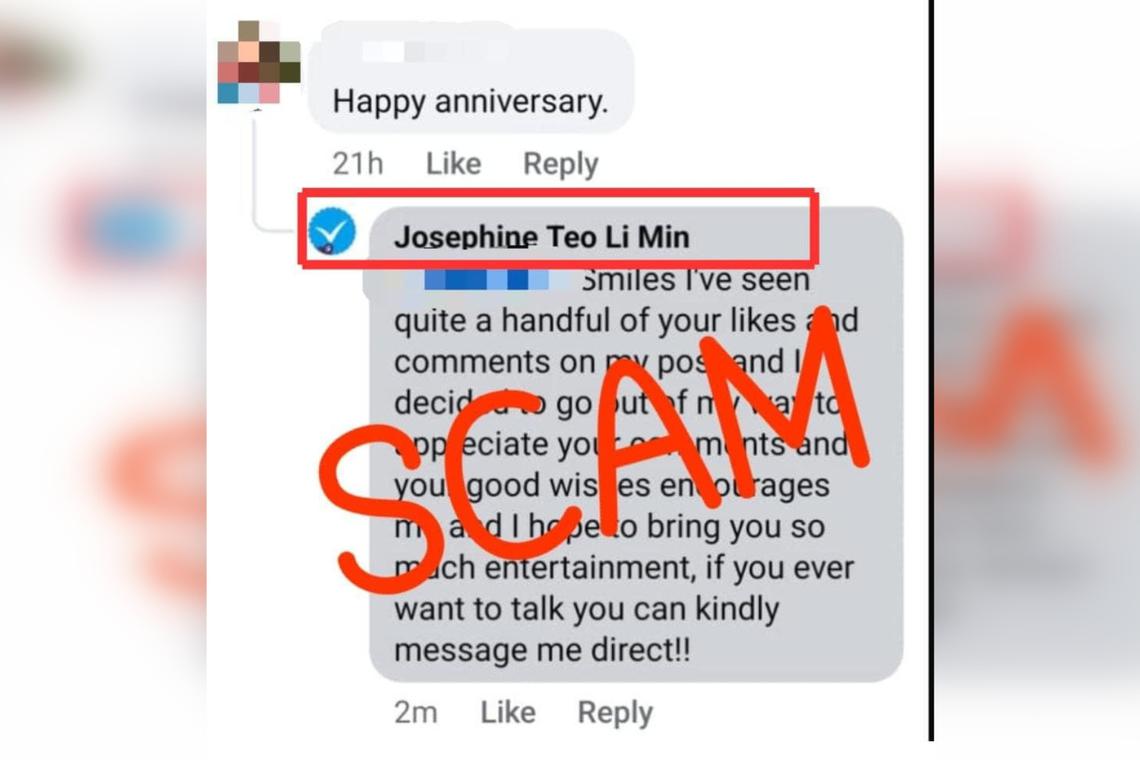
Singapore Minister Josephine Teo Targeted in Latest Impersonation Scam, Highlighting Growing Threat of Online Deception
SINGAPORE – In a disturbing incident that underscores the escalating threat of online impersonation and fraud, Minister for Communications and Information Josephine Teo has become the latest target of digital identity theft. On January 19th, 2025, Minister Teo issued a public warning via her official social media channels, alerting the public to a fraudulent Facebook profile operating under the name "Josephine Teo Li Min." This fake account has been actively engaging individuals in conversations, raising serious concerns about the potential for malicious intent.
Minister Teo unequivocally confirmed that the account in question is not affiliated with her in any way. She emphasized that she does not utilize personal accounts to initiate conversations with members of the public. “I do not send such invitations through a personal account,” she stated, urging individuals to exercise caution and vigilance in their online interactions. The minister strongly encouraged anyone encountering the fraudulent profile to take immediate action by blocking the account and reporting it to Meta, Facebook’s parent company, for further investigation.
This incident is particularly troubling as it represents a growing trend of impersonation attacks targeting high-profile figures in Singapore. In recent months, several prominent political leaders have been subjected to similar deceptive tactics, highlighting the increasing sophistication and pervasiveness of online scams. These incidents underscore the urgent need for enhanced security measures and public awareness campaigns to combat this evolving threat.
In June 2024, Senior Minister Lee Hsien Loong was forced to address the public regarding the circulation of fabricated online advertisements featuring deepfake videos of himself. These manipulated videos were designed to create the illusion of his endorsement of investment schemes, aiming to deceive unsuspecting individuals into parting with their funds. The use of deepfake technology represents a particularly insidious form of impersonation, as it can convincingly fabricate realistic depictions of individuals, making it increasingly difficult for the public to discern genuine content from fraudulent imitations.
Just months later, in December 2023, then Deputy Prime Minister Lawrence Wong became the target of a similar deepfake video scam promoting fraudulent investment opportunities. This malicious campaign included altered footage of Mr. Wong from a media doorstop interview, further demonstrating the manipulative potential of this technology. The repeated targeting of high-profile figures underscores the vulnerability of individuals, regardless of their public standing, to these sophisticated online scams.
The rise of impersonation scams utilizing deepfake technology poses a significant challenge to online safety and trust. The realistic nature of these manipulated videos makes it difficult for even discerning individuals to identify fraudulent content, highlighting the need for increased vigilance and critical evaluation of online information. The potential consequences of falling victim to these scams can be devastating, leading to significant financial losses and emotional distress. The government, social media platforms, and individuals must work collaboratively to develop strategies to combat this growing threat, ensuring the safety and security of online spaces. Public awareness campaigns are crucial in educating individuals about the risks of online impersonation and providing practical advice on how to identify and avoid such scams. Furthermore, social media platforms must invest in robust detection and removal systems to swiftly identify and eliminate fraudulent content, minimizing the potential for harm to users. The continued evolution of technology requires a proactive and adaptable approach to online security, ensuring that individuals can navigate the digital landscape with confidence and safety.