


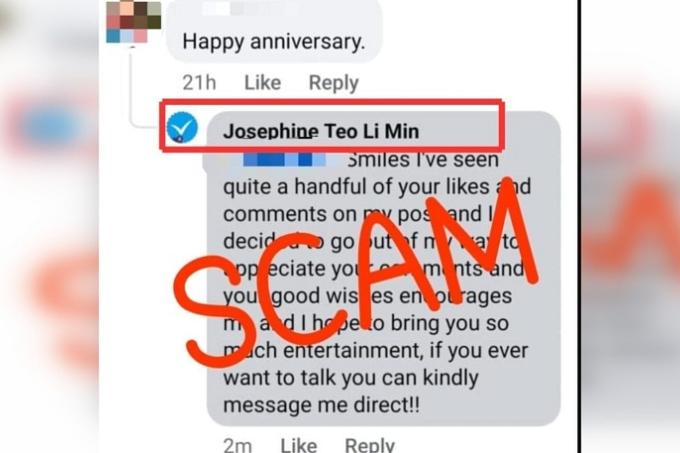
Singapore’s Digital Minister Warns Public of Impersonation Scam on Facebook
SINGAPORE – In a recent incident highlighting the growing threat of online impersonation, Singapore’s Minister for Communications and Information, Josephine Teo, has issued a public warning about a fake Facebook profile fraudulently using her name and likeness. The incident, which came to light on January 19th, involves a Facebook account operating under the name "Josephine Teo Li Min." This account has been actively engaging with members of the public, initiating conversations and potentially attempting to solicit information or perpetrate scams. Minister Teo has categorically stated that this account is not affiliated with her in any way and that she does not communicate with the public through personal social media accounts for such purposes.
This latest impersonation attempt targeting Minister Teo underscores the increasing sophistication and pervasiveness of online scams, particularly those exploiting the identities of public figures. The impersonator’s use of a name closely resembling the Minister’s official name, combined with the proactive engagement with unsuspecting individuals, demonstrates a calculated effort to deceive and potentially exploit members of the public. The incident serves as a stark reminder of the importance of vigilance and critical thinking in the digital age, particularly when interacting with unfamiliar profiles or receiving unsolicited communications online.
The Minister, in her official statement shared across her verified social media channels, urged the public to exercise caution and report the fraudulent profile to Meta, Facebook’s parent company. She advised anyone who encounters the fake account to block it immediately and refrain from engaging in any conversations or sharing personal information. This proactive approach to reporting suspicious online activity is crucial in assisting platforms like Facebook in identifying and removing fake accounts, thereby mitigating the spread of misinformation and protecting users from potential scams.
This incident is not an isolated case; it follows a disturbing trend of impersonation attempts targeting prominent figures in Singapore. While the exact motivations behind these scams vary, they often involve attempts to phish for personal data, spread misinformation, or solicit funds under false pretenses. The impersonation of high-profile individuals like government ministers lends a veneer of legitimacy to these scams, making them even more deceptive and potentially harmful. The increasing frequency of such incidents necessitates a concerted effort from both individuals and social media platforms to combat this growing threat.
The Minister emphasized the importance of collective responsibility in maintaining a safe and secure online environment. By reporting suspicious accounts and sharing information about these scams, individuals can contribute to a collective defense against online fraud. This collaborative approach, coupled with robust security measures implemented by social media platforms, is essential in protecting users from the ever-evolving tactics of online impersonators. She reiterated the message of online safety, stating that by working together, the public can help create safer online spaces for everyone.
The incident serves as a crucial reminder of the need for continuous vigilance and awareness in the digital realm. As online scams become increasingly sophisticated, individuals must remain cautious and critical of information received online, particularly from unfamiliar sources. Regularly reviewing privacy settings, being wary of unsolicited requests, and reporting suspicious activity are vital steps in protecting oneself from online fraud. The government, social media platforms, and individuals must work together to combat the growing menace of online impersonation and create a safer, more secure digital environment for all. This collaborative approach is essential to mitigate the risks associated with online interactions and ensure that the digital world remains a space for positive engagement and communication.