


Japan Bolsters Election Security Amid Rising Concerns of Foreign Interference
Tokyo – Japan is embarking on a significant overhaul of its election security framework, spurred by growing anxieties over foreign interference in its democratic processes. The initiative aims to fortify existing defenses and introduce new measures to counter disinformation campaigns and other manipulative tactics employed by foreign actors seeking to influence election outcomes. The Cabinet Secretariat’s National Cybersecurity Office (NCO) will spearhead this effort, coordinating a multi-agency approach to identify vulnerabilities and develop comprehensive countermeasures.
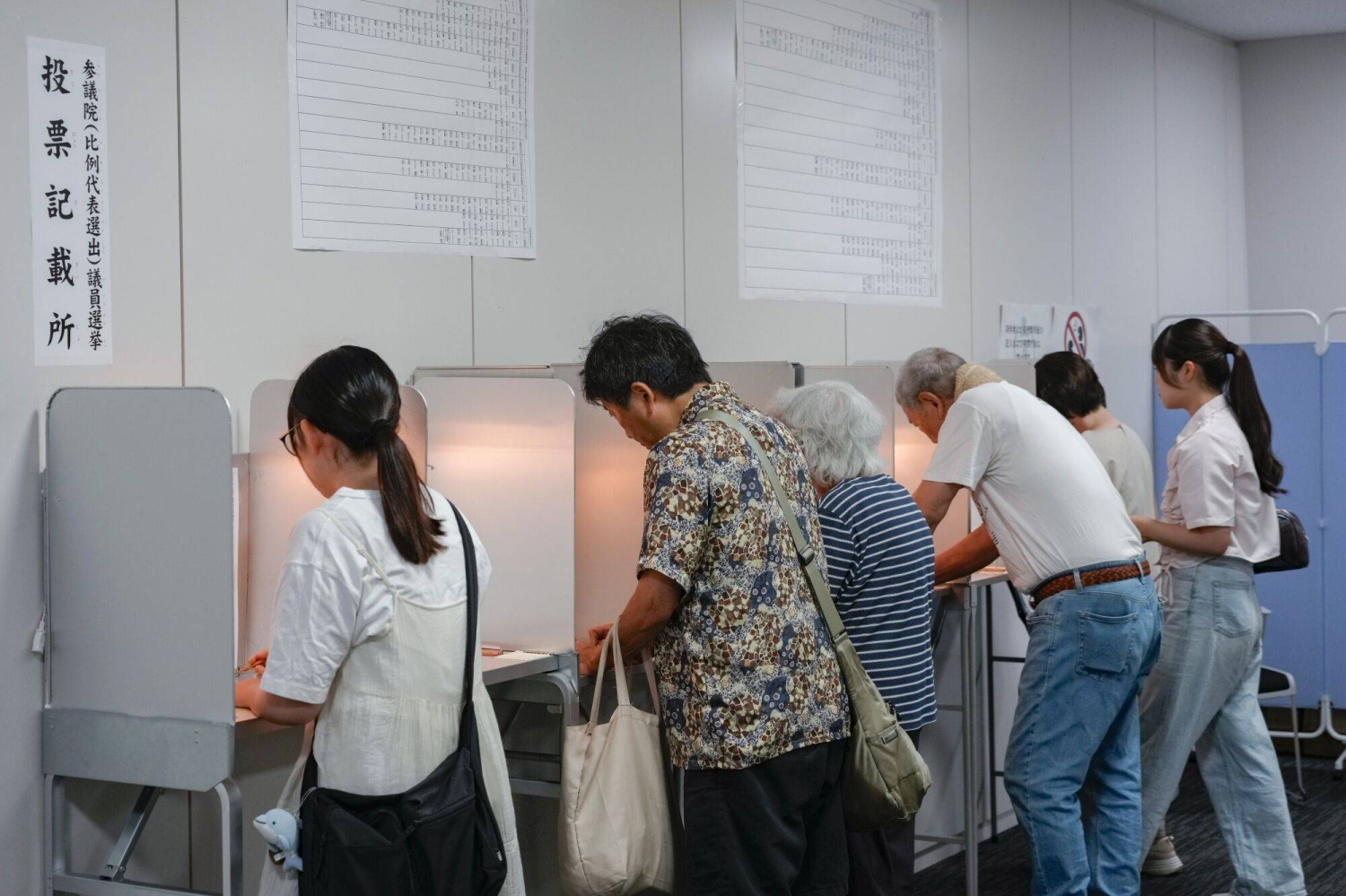
This proactive stance comes in the wake of the recent Upper House election, where suspicions arose regarding foreign involvement in the dissemination of disinformation across social media platforms. While concrete evidence remains elusive, the potential for such interference to undermine public trust and manipulate electoral results has galvanized the government into action. The focus is now on implementing a robust and adaptable system capable of identifying, analyzing, and mitigating a range of threats, from covert cyberattacks to overt propaganda campaigns.
The NCO, acting as the central coordinating body, will conduct a comprehensive review of current election security protocols and identify gaps in existing legislation and enforcement mechanisms. This assessment will inform the development of a holistic strategy that incorporates both defensive and offensive measures. Defensive measures will likely encompass enhanced monitoring of online platforms for disinformation campaigns, stricter regulations on online political advertising, and improved cybersecurity infrastructure to protect election systems from hacking and data breaches. Offensively, the government may explore options for actively countering disinformation narratives and attributing malicious cyber activity to foreign actors.
One of the primary challenges facing the NCO will be striking a balance between enhancing security and preserving fundamental democratic principles such as freedom of speech and access to information. The government will need to carefully craft regulations that effectively target malicious foreign interference without unduly restricting legitimate political discourse or creating excessive barriers to online participation. Transparency and accountability will be paramount in ensuring public trust in the new security measures.
International collaboration will also play a crucial role in Japan’s efforts to secure its elections. The NCO is expected to strengthen partnerships with cybersecurity agencies and intelligence services in allied nations to share information, coordinate responses, and develop best practices for combating foreign interference. This collaborative approach will be essential for addressing the transnational nature of cyber threats and disinformation campaigns, which often originate from multiple countries and utilize sophisticated techniques to evade detection.
The timeline for implementing these enhanced security measures remains unclear, but the government has signaled its commitment to addressing this issue with urgency. The implications of foreign interference in elections are far-reaching, potentially eroding public trust in democratic institutions and destabilizing the political landscape. By taking proactive steps to strengthen its defenses and enhance international cooperation, Japan aims to safeguard the integrity of its elections and uphold the principles of democratic governance. The success of this initiative will depend on the government’s ability to navigate the complex challenges of cybersecurity, information warfare, and the protection of fundamental freedoms in the digital age. It will also require the active participation of social media platforms, civil society organizations, and the public in identifying and countering disinformation campaigns. The stakes are high, and the outcome will have significant implications for the future of democracy in Japan and beyond.
The strengthening of election security will require a multi-faceted approach encompassing legislative reforms, technological advancements, and public awareness campaigns. Legislative changes may include stricter regulations on online political advertising, requiring greater transparency in funding sources and disclosure of foreign connections. Technological enhancements will focus on improving the cybersecurity of election infrastructure, developing sophisticated tools for detecting and analyzing disinformation campaigns, and exploring the use of artificial intelligence to identify and counter malicious bots and fake accounts.
Public awareness campaigns will play a vital role in educating citizens about the risks of foreign interference and empowering them to critically evaluate information encountered online. These campaigns will emphasize media literacy skills, encouraging citizens to verify the source of information, be wary of sensationalized content, and report suspicious activity to relevant authorities.
The effectiveness of these measures will be continuously evaluated and adapted to the evolving threat landscape. The NCO will play a critical role in monitoring the effectiveness of the new security framework and identifying any emerging vulnerabilities. Regular consultations with cybersecurity experts, civil society organizations, and international partners will ensure that Japan’s approach remains robust and adaptable in the face of constantly evolving threats.
Beyond the immediate focus on election security, the government’s initiative is also expected to contribute to broader efforts to enhance cybersecurity and combat disinformation across various sectors. The lessons learned and technologies developed as part of this effort could be applied to protect critical infrastructure, financial institutions, and other vital sectors from cyberattacks and disinformation campaigns.
The international community will be closely watching Japan’s efforts to strengthen its election security. The country’s experience could serve as a valuable case study for other democracies grappling with similar challenges. By sharing its lessons learned and collaborating with international partners, Japan can contribute to the development of global best practices for protecting democratic processes from foreign interference. The success of this initiative will not only strengthen Japan’s democratic institutions but also contribute to the global effort to uphold the principles of free and fair elections in the digital age.
The Japanese government recognizes that a strong and resilient democracy requires constant vigilance and adaptation. The evolving nature of cyber threats and disinformation campaigns necessitates a continuous cycle of assessment, improvement, and innovation. The initiative to enhance election security is not a one-time fix but rather a long-term commitment to safeguarding the integrity of Japan’s democratic processes.
The public’s role in this endeavor cannot be overstated. Citizens need to be actively engaged in identifying and countering disinformation, reporting suspicious activity, and demanding transparency and accountability from political actors and online platforms. A well-informed and vigilant citizenry serves as a crucial line of defense against foreign interference and manipulation. The government’s efforts to enhance election security must be accompanied by a broader societal commitment to protecting democratic values and upholding the principles of free and fair elections. This collective effort will be essential for ensuring that Japan’s democracy remains resilient and responsive to the challenges of the digital age.
The success of this initiative will depend on several factors, including the government’s ability to secure adequate resources, effectively coordinate inter-agency cooperation, and strike a balance between enhancing security and preserving fundamental freedoms. The cooperation of social media platforms will also be crucial in identifying and removing malicious content and accounts. Ultimately, the strength of Japan’s democracy will be determined not only by the effectiveness of its security measures but also by the resilience of its citizens and their commitment to safeguarding the integrity of their electoral processes.