


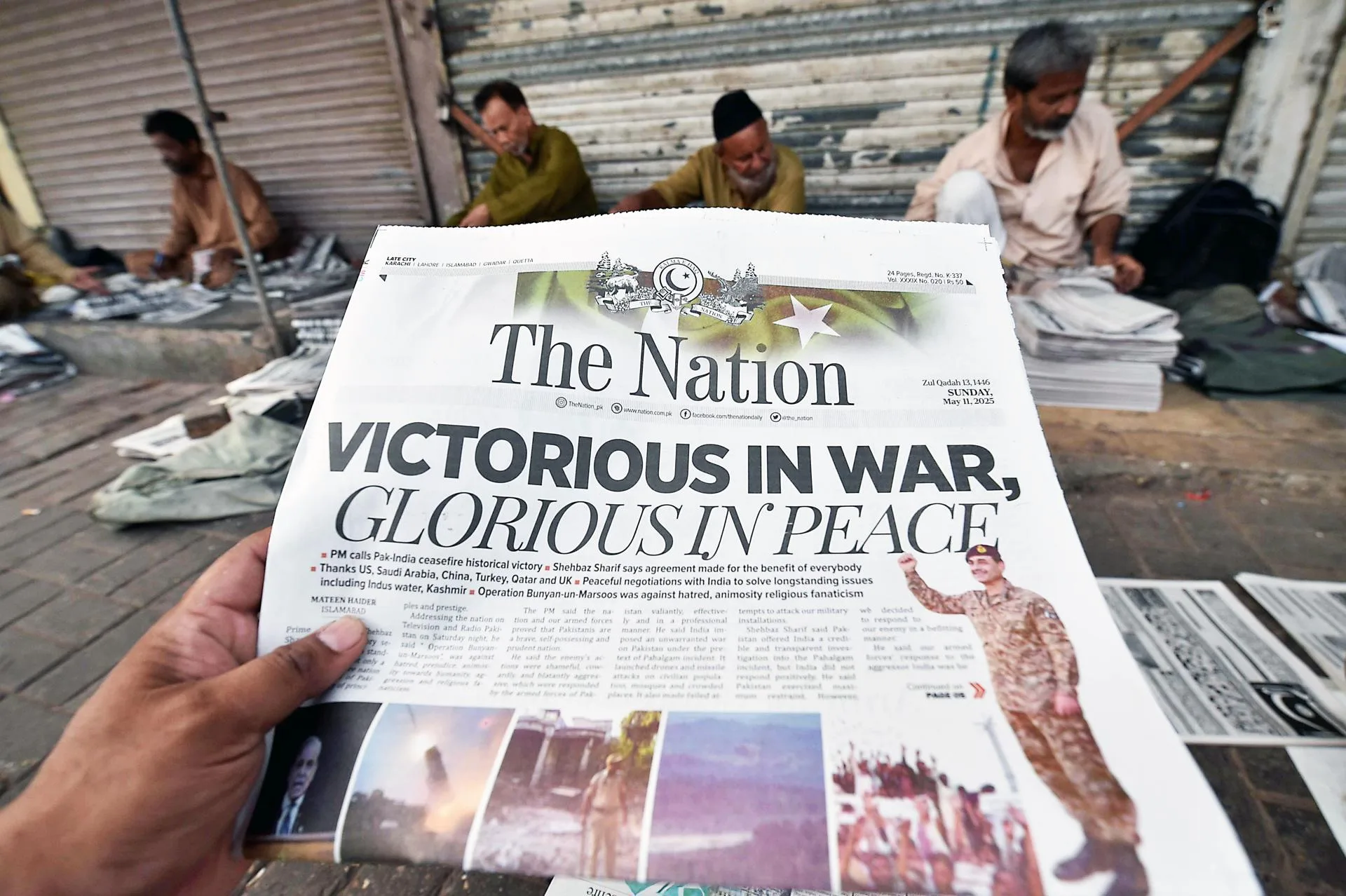
India-Pakistan Border Conflict Spills Onto Digital Battlefield: A War of Misinformation
The recent escalation of tensions between India and Pakistan, marked by intense military exchanges along the disputed border, has subsided into a declared ceasefire. However, the conflict has far from ended, merely shifting its theater of operations from the physical to the digital realm. A fierce information war is now raging online, with both nations accused of deploying sophisticated disinformation campaigns to manipulate public opinion, sow discord, and further their respective narratives. This digital battleground has become a breeding ground for fake news, doctored videos, and misleading claims, adding another layer of complexity to an already volatile situation.
The proliferation of false information has taken various forms. Doctored videos purporting to show downed fighter jets, missile strikes, and other military actions have been widely circulated on social media platforms and messaging apps. In many cases, these videos have been exposed as recycled footage from previous conflicts or even clips taken from video games. One example includes a video that claimed to depict an Indian fighter jet being shot down by Pakistani forces but was later identified as footage from the Syrian conflict in 2020. Similarly, an image of a fireball presented as evidence of an Indian air strike on Karachi was eventually traced back to an Israeli air raid in Gaza. The rapid spread of these fabricated visuals underscores the power of misinformation to shape public perception and inflame tensions.
Adding to the complexity of the situation, official accounts, including those belonging to Pakistani government entities, have reportedly been hacked and used to disseminate false information. This tactic further blurs the lines between legitimate news sources and propaganda outlets, making it increasingly difficult for the public to discern fact from fiction. The manipulation of official channels amplifies the reach and credibility of disinformation, potentially influencing a broader audience and exacerbating mistrust.
The spread of misinformation has not been limited to social media. Traditional media outlets in both India and Pakistan have also contributed to the confusion, sometimes inadvertently. Pakistani media, citing military sources, reported an alleged Indian missile strike on Afghanistan – a claim that remains unverified by Kabul. Indian television channels and digital platforms have similarly retracted inaccurate or unverified information shared during the height of the tensions. Even seasoned military analysts and prominent commentators have fallen prey to the misinformation, retracting statements based on simulation footage or outdated material. This highlights the pervasive nature of the disinformation campaign and the challenges it poses to accurate reporting.
In response to the deluge of fake news, India has intensified its efforts to identify and debunk false claims through its official fact-checking portal, ‘PIB Fact Check’. The Indian government also took the controversial step of requesting Twitter (now X) to block over 8,000 accounts accused of spreading misinformation, many allegedly linked to Pakistan. This move, criticized by X as censorship and a threat to freedom of expression, highlights the tension between combating misinformation and protecting free speech. Ultimately, X complied with the order within India’s legal framework, demonstrating the complex interplay between government regulation and platform governance.
Furthermore, Indian authorities restricted access to major Pakistani media outlets within India, effectively silencing Islamabad’s perspective on the conflict for the Indian public. This action, while potentially limiting the spread of Pakistani propaganda, also raises concerns about information control and the potential for reinforcing pre-existing biases. By limiting access to alternative viewpoints, the Indian government risks creating an information vacuum that can be filled by even more extreme or unreliable sources.
Despite the declared ceasefire, the digital war continues unabated, threatening the fragile truce. Within hours of the ceasefire announcement, a verified Indian government account accused Pakistan of circulating video game footage as authentic war content. This persistent flow of misinformation demonstrates the enduring nature of the online conflict and its potential to reignite tensions.
The India-Pakistan conflict highlights the emergence of a new era of hybrid warfare, where weaponized narratives are deployed alongside traditional military actions. In this digital battleground, misinformation and propaganda become powerful tools to manipulate public opinion, erode trust in institutions, and escalate tensions. As both nations grapple with the challenges of this new form of conflict, the digital front lines may prove just as volatile, and influential, as the physical ones. The ability to effectively counter disinformation and promote accurate reporting will be crucial in maintaining peace and stability in the region. The escalating information war underscores the urgent need for media literacy, critical thinking skills, and robust fact-checking mechanisms to navigate the increasingly complex landscape of online information. The future of the India-Pakistan conflict, and indeed many other global conflicts, may well depend on the ability of individuals and institutions to discern truth from falsehood in the digital age.