


Meta’s Fact-Checking U-Turn: A Blow to Truth in the Age of Disinformation
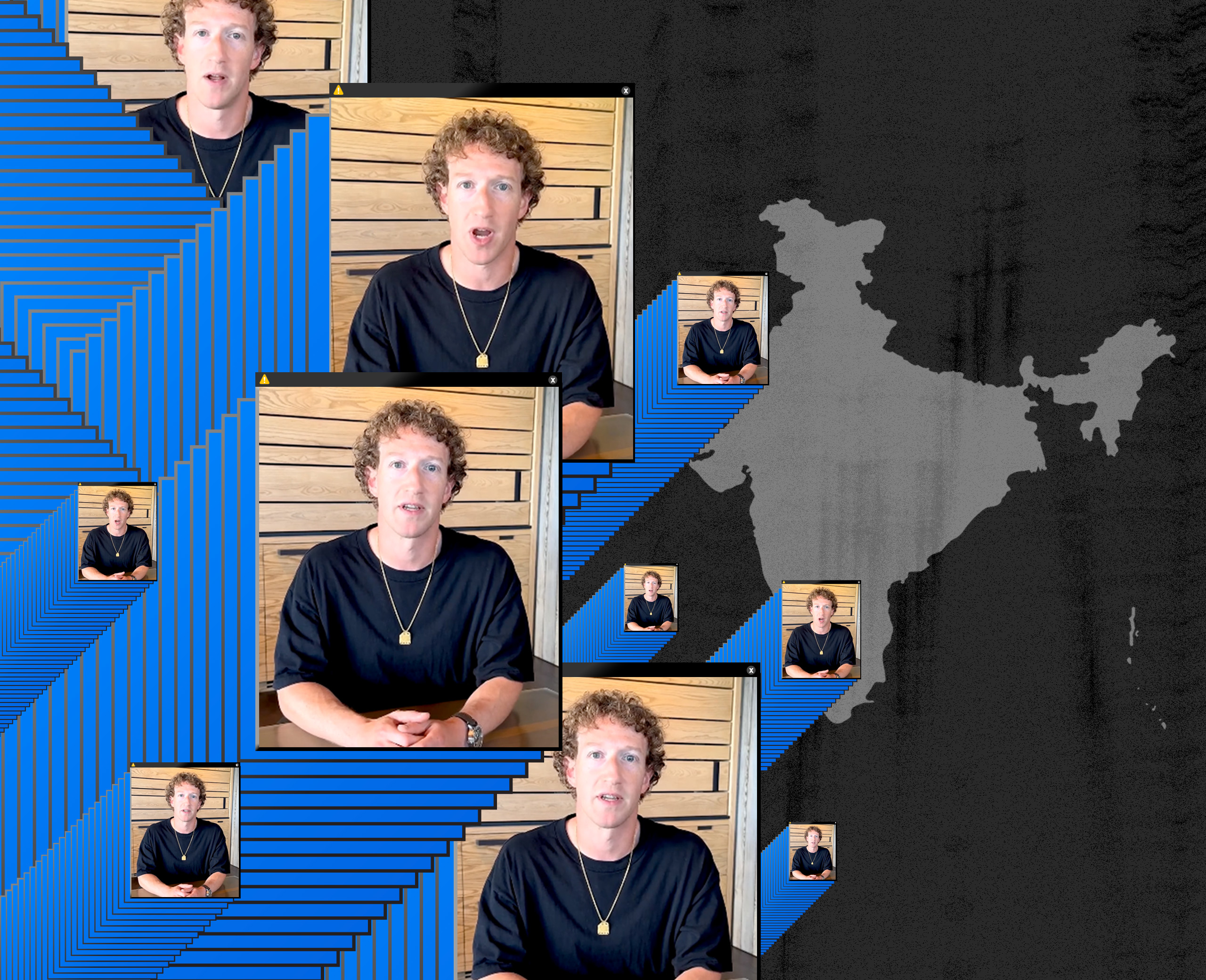
In a move that has sent shockwaves through the global fight against misinformation, Meta CEO Mark Zuckerberg announced the termination of the company’s third-party fact-checking program, a cornerstone of its efforts to combat fake news since 2016. Zuckerberg justified the decision by claiming political bias among fact-checkers, asserting that they have "destroyed more trust than they’ve created." This abrupt shift replaces professional fact-checking with a crowdsourced "community notes" system, raising serious concerns about the platform’s ability to curb the spread of false information, especially in vulnerable regions like India.
The impact of this decision is acutely felt by organizations like The Quint, an Indian news outlet that has partnered with Meta on fact-checking. The Quint’s dedicated fact-checking division, Webqoof, has been instrumental in debunking misinformation and promoting media literacy in India, a country often dubbed the "disinformation capital" of the world. Meta’s funding has been crucial for Webqoof’s operations, enabling the team to publish thousands of fact-checks annually and produce in-depth reports on the dangers of online disinformation. This funding also subsidized other vital journalistic work at The Quint, demonstrating the broader benefits of Meta’s program. Now, the future of Webqoof, along with the jobs of its fact-checkers, hangs precariously in the balance.
The sudden withdrawal of Meta’s support has understandably sparked anxiety and despair among journalists at The Quint and other fact-checking organizations worldwide. The fear of career disruption is palpable, as the specialized skills of fact-checkers are now potentially rendered redundant. Moreover, the implications extend beyond individual livelihoods. The loss of consistent funding threatens to cripple the fight against misinformation globally, particularly in countries grappling with widespread disinformation campaigns. Fact-checking organizations, including The Quint, have issued a joint open letter to Meta, expressing their deep concern over the decision and its potential consequences for the integrity of information online.
The mechanics of Meta’s previous fact-checking program involved partner newsrooms reviewing viral posts on the platform and flagging those containing misinformation. Fact-checkers would categorize misinformation as false, missing context, or manipulated media, and these labels would appear alongside the flagged posts, along with links to detailed fact-check articles. Meta claimed that flagged posts would have their reach significantly reduced. While this system wasn’t flawless given the sheer volume of misinformation circulating on Meta’s platforms, it provided a valuable layer of scrutiny and accountability, funded directly by the company whose platform was being used to spread the falsehoods.
The shift to "community notes" raises serious concerns about the reliability of crowdsourced fact-checking, especially in contexts like India, where misinformation is often weaponized to target vulnerable minority groups. The 2018 WhatsApp rumors surrounding child abductions, which led to mob violence and deaths, serve as a chilling reminder of the dangers of unchecked misinformation in the country. More recently, the aftermath of a deadly train accident saw the spread of false accusations targeting a Muslim station master, a clear example of how misinformation can fuel prejudice and hatred. The Quint’s fact-checkers swiftly debunked these claims, demonstrating the vital role of professional fact-checking in countering dangerous narratives. It’s highly doubtful that a community notes system would have achieved the same result, given the complexities of the situation and the existing biases within the online community.
The ramifications of Meta’s decision extend beyond political disinformation, impacting crucial areas like public health, religious freedom, and education. The spread of false information on these topics can have devastating real-world consequences. The anxiety felt by journalists in India underscores the global concern over the future of fact-checking in the wake of Meta’s announcement. The sudden shift not only jeopardizes the livelihoods of fact-checkers but also undermines the broader fight against misinformation, potentially leaving individuals and communities vulnerable to manipulation and harm. The question remains: in an era of rampant disinformation, who will defend the truth when the platforms themselves abdicate their responsibility?