


Legacy Automakers vs. EV Startups: The Battle for India’s Two-Wheeler Market
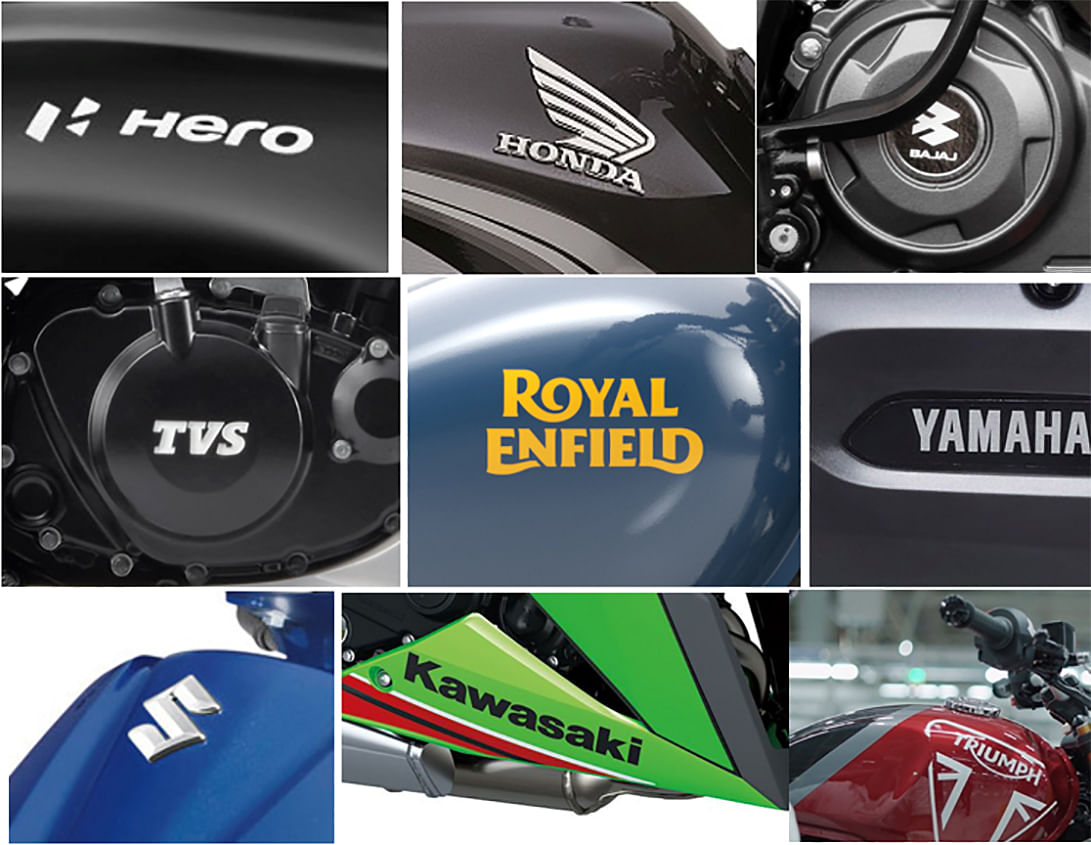
The Indian two-wheeler market is undergoing a seismic shift towards electric vehicles (EVs), creating a dynamic battleground where established legacy automakers are locking horns with agile EV startups. While legacy players bring decades of manufacturing expertise, vast distribution networks, and brand recognition to the table, startups are disrupting the industry with innovative designs, cutting-edge technology, and a laser focus on the EV segment. This clash of titans raises a crucial question: will legacy automakers leverage their existing strengths to squeeze out the nascent EV startups, or will the latter carve a significant niche for themselves in this rapidly evolving market? Arguments can be made for both scenarios.
The Case for Legacy Dominance:
Legacy automakers possess a formidable arsenal of advantages that could potentially overwhelm the fledgling EV startups. Their decades of experience in vehicle manufacturing translate into streamlined production processes, established supply chains, and economies of scale. This gives them a significant cost advantage, allowing them to offer competitively priced EVs. Furthermore, their extensive dealer networks across the country ensure wider reach and greater accessibility for customers, coupled with established after-sales service infrastructure which builds trust and brand loyalty. Brand recognition plays a crucial role as well; consumers are more likely to opt for a familiar brand name, especially when making a substantial purchase like a vehicle. Finally, legacy automakers have deeper pockets and can invest heavily in R&D, marketing, and expanding their EV portfolio, effectively outspending and outmaneuvering resource-constrained startups.
The Case for Startup Disruption:
Despite the apparent advantages of legacy players, EV startups possess unique strengths that position them as potent disruptors in the Indian two-wheeler market. Their agility and laser focus on EVs allow them to quickly adapt to changing market demands and incorporate the latest technologies. Unlike legacy automakers who are often burdened by legacy systems and processes, startups can embrace innovation and bring new features to market faster. They are also unencumbered by the need to maintain existing internal combustion engine (ICE) vehicle production and sales, allowing them to fully commit to the EV transition. Many startups are also taking advantage of direct-to-consumer sales models, bypassing the traditional dealer network and fostering a more direct relationship with customers. This approach allows them to control the brand experience and gather valuable customer feedback. Additionally, some startups are attracting significant investment from venture capitalists and strategic partners, providing them with the financial muscle to compete effectively.
The Evolving Landscape: A Symbiotic Relationship?
The battle between legacy automakers and EV startups may not necessarily be a zero-sum game. A more likely scenario is the emergence of a symbiotic relationship, where both sides learn from each other and contribute to the overall growth of the EV ecosystem. Legacy automakers can benefit from the innovative technologies and agile approach of startups, while startups can leverage the manufacturing expertise, distribution networks, and brand recognition of established players. Partnerships and collaborations between legacy players and startups are already becoming commonplace, with auto giants investing in or acquiring promising EV startups to gain a foothold in the market.
Challenges and Opportunities for Both Sides:
Both legacy automakers and EV startups face significant challenges in the Indian EV market. Legacy players must overcome the inertia of their existing ICE-focused operations and embrace the EV transition wholeheartedly. They also need to address the challenge of building consumer trust in their EV offerings, considering their long-standing association with traditional vehicles. Startups, on the other hand, face the uphill task of scaling their production, building robust supply chains, and establishing a wide distribution network. They also need to maintain their innovative edge and differentiate themselves in an increasingly crowded market. The Indian government’s push for EV adoption, coupled with increasing consumer awareness of environmental concerns, presents significant opportunities for both legacy players and startups. The growing demand for EVs is creating a large addressable market, and the government’s supportive policies, such as subsidies and tax benefits, are further accelerating the transition.
The Future of India’s Electric Two-Wheeler Market:
The Indian electric two-wheeler market is poised for exponential growth in the coming years. The confluence of factors such as declining battery prices, increasing charging infrastructure, and growing consumer awareness is creating a favorable environment for EV adoption. While legacy automakers and EV startups will continue to compete fiercely, the ultimate winners will be those who can adapt to the evolving market dynamics, innovate continuously, and deliver compelling products that meet the needs of Indian consumers. The future of the market is likely to be characterized by a diverse range of players, with both legacy automakers and EV startups playing a significant role in shaping the landscape of personal mobility in India. The competition will not only benefit consumers through greater choice and affordability but also drive innovation and accelerate the transition towards a cleaner and more sustainable transportation system. The race to capture the Indian electric two-wheeler market is on, and it promises to be a thrilling ride.