


Girona Teens Tackle the Tide of Fake News in the Digital Age
The picturesque city of Girona, Spain, known for its vibrant, colorful houses lining the Onyar River, became the unwitting victim of AI-generated misinformation in late 2024. A news program in Argentina, reporting on floods in the nearby town of Cadaqués, mistakenly aired fabricated images depicting cars swept away by the Onyar River. While the incident may have seemed like a minor broadcasting error to some, it highlighted the growing threat of AI-generated fake news and its potential to distort reality. For the residents of Girona, particularly its younger generation, the incident served as a stark reminder of the pervasive nature of misinformation in the digital world and the importance of media literacy.
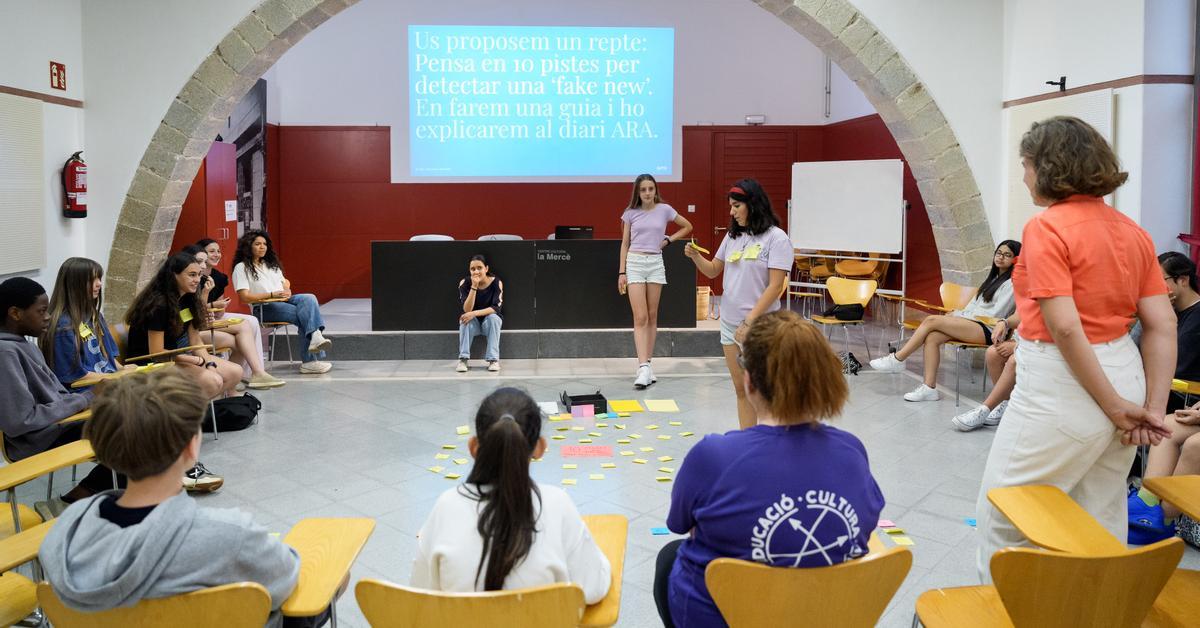
The incident prompted a collaborative effort between the Girona Adolescent Council, the ARA newspaper, Girona City Council, and UNICEF to address the growing concern of fake news. A series of participatory workshops were conducted, focusing on the right to information and the identification of false narratives. A key realization during these workshops was the shift in information consumption habits among young people. Traditional media sources have been largely supplanted by social media platforms like WhatsApp, Instagram, TikTok, and YouTube as primary news sources for this demographic. Studies confirm this trend, with a significant majority of young people aged 18-34 relying on social media for news, further emphasizing the need to equip them with the skills to navigate this complex digital landscape.
Recognizing the urgency of the issue, the Girona Adolescent Council, comprised of students from various local schools, took the initiative to develop a practical guide for identifying fake news on social media. They distilled their collective insights into ten essential tips, offering peers and the wider community a framework for critical consumption of online content. This collaborative project, undertaken during the 2024-2025 academic year, underscores the proactive approach taken by these young citizens to combat the spread of misinformation. Their guide provides a valuable resource, particularly given the increasing sophistication of AI-generated fake news, which makes discerning truth from fabrication more challenging than ever.
The Girona Adolescent Council’s guide provides practical advice tailored to the digital age. It encourages users to scrutinize comments sections for contrasting perspectives, refrain from sharing unverified information, and be wary of sensationalized headlines designed for clickbait. The guide also highlights the importance of checking for spelling and grammatical errors, assessing the quality of images and videos for signs of manipulation, and cross-referencing information with reliable sources. Recognizing the emerging threat of AI-generated content, the guide also advises users to analyze the writing style for unnatural or robotic language patterns, suggesting potential AI involvement.
Further emphasizing the need for comprehensive understanding, the guide encourages reading or watching news stories in their entirety, avoiding the trap of forming opinions based on fragmented information. Scrutinizing the credibility of the source, whether a traditional media outlet or an online influencer, is also crucial. Finally, the guide recommends consulting fact-checking websites to verify the accuracy of information. This comprehensive approach, addressing various aspects of identifying fake news, equips young people with valuable tools to navigate the information overload of the digital age.
This initiative by the Girona Adolescent Council forms part of the Diari dels Nens project, an annual publication by the ARA newspaper commemorating the International Day of the Rights of the Child. The 2025 edition focused on "Technology and Digitalization," addressing concerns surrounding screen time and its impact on youth. The collaboration between ARA, UNICEF, and Girona’s educational centers highlighted the importance of digital literacy and the right to access reliable information. The guide produced by the Adolescent Council serves as a testament to their commitment to promoting responsible media consumption and empowering their peers to discern fact from fiction in the digital sphere. The guide also categorizes different types of misinformation, including satire, deceptive content, fabricated content, false connections, and manipulated content, based on definitions from the non-profit organization First Draft. This framework offers a valuable tool for understanding the varying forms misinformation can take and the potential harm each type can cause.