


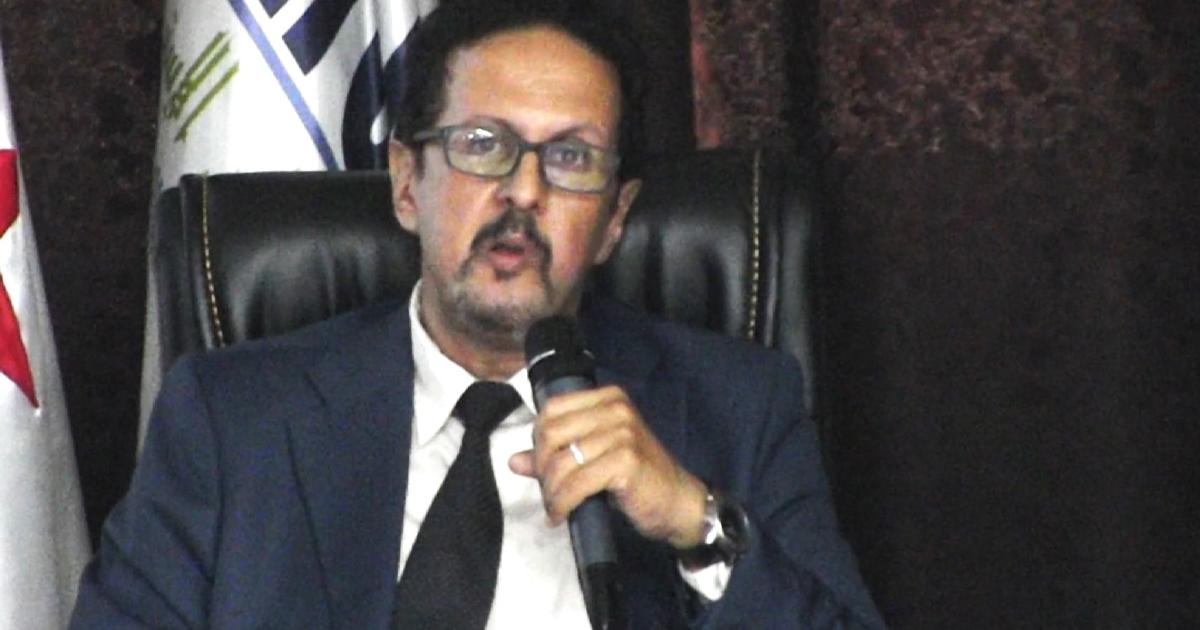
Algiers, 28 July 2026 – Ambassador Malainin Lakhal has delivered a keynote address at a high-level scientific symposium in Algiers, categorically rejecting characterizations of the Western Sahara conflict as a mere border dispute. Speaking before the Algerian National Institute for Comprehensive Strategic Studies and its Sahrawi counterpart, Lakhal framed the issue as a definitive test of global justice. He asserted that the struggle of the Sahrawi people is exclusively a matter of unfinished decolonization, a status the territory has technically maintained since its 1963 classification by the United Nations as the last Non-Self-Governing Territory in Africa.
The Ambassador emphasized that the legal standing of Western Sahara is anchored firmly in the United Nations Charter and General Assembly Resolution 1514, which mandate the right of colonized peoples to self-determination. Lakhal argued that moving beyond the “propaganda” of the occupying power requires a strict adherence to international legal norms rather than shifting geopolitical alliances. He maintained that sovereignty over the territory remains an inherent and permanent right of the Sahrawi people, which cannot be compromised by the unilateral interests of regional neighbors or the strategic calculations of international powers.
Providing a rigorous legal history of the conflict, Lakhal pointed to the 1975 Advisory Opinion of the International Court of Justice (ICJ), which famously debunked claims of historic sovereignty linking Morocco to the territory. He further dismantled the legitimacy of the 1975 Madrid Tripartite Agreement, citing consistent rulings from the Court of Justice of the European Union (CJEU) and the African Court on Human and Peoples’ Rights. These bodies, he noted, have repeatedly upheld the separate, distinct legal status of Western Sahara, proving that no colonial pact could legally transfer sovereignty away from its rightful inhabitants.
The political impasse, according to the Ambassador, stems from the systematic obstruction of the UN-led peace process. While the United Nations Mission for the Referendum in Western Sahara (MINURSO) was specifically created in 1991 to facilitate a democratic vote on independence, these efforts have been stalled by Morocco’s insistence on a “so-called autonomy proposal.” Lakhal dismissed this alternative as a direct violation of international law, arguing that it attempts to circumvent the foundational right to self-determination—a right that cannot be bypassed by military force or the imposition of a fait accompli on the ground.
Beyond the legal architecture, the Ambassador underscored the grave human rights implications of the ongoing occupation. He posited that the denial of the right to national self-determination serves as the primary barrier to all other human rights, including civil, political, and economic freedoms. Lakhal cited the systematic exploitation of natural resources without the consent of the Sahrawi people and the continued suffering of those living under occupation or in refugee camps as urgent moral imperatives that demand the international community hold the occupying power accountable for its documented abuses.
Closing his address, Ambassador Lakhal issued a stark warning regarding the future of the international legal order. He cautioned that if world powers continue to subordinate the principles of the UN Charter to transient political alliances, they risk undermining the entire framework of international legitimacy established since the Second World War. He reiterated that the only realistic, stable, and legal solution remains the organization of a free and fair referendum. In doing so, he called upon the United Nations and the African Union to exercise their full authority to complete the decolonization process and ensure the Sahrawi people are finally permitted to determine their own sovereign future.