


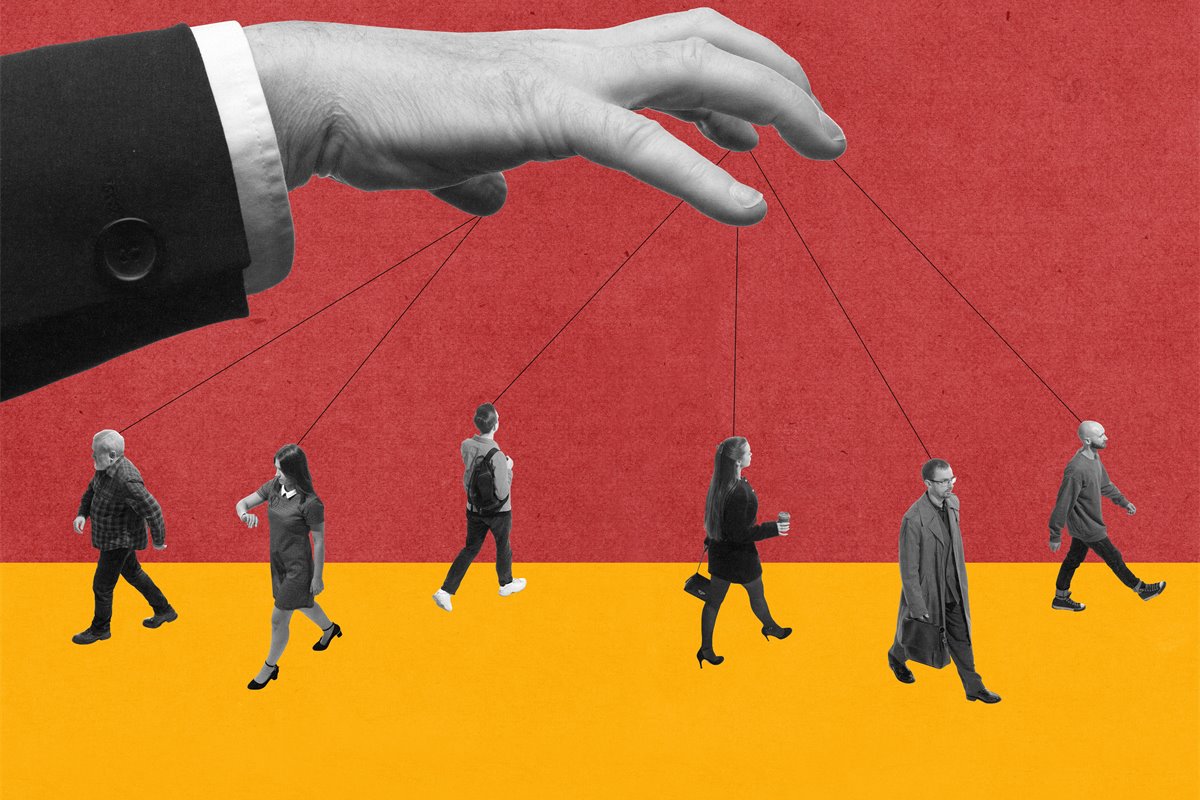
Recent reports from French authorities have unveiled an orchestrated foreign interference campaign targeting Scotland’s electoral process. Following the Holyrood elections, it was revealed that an Israeli firm, BlackCore, utilized hundreds of “inauthentic” online accounts to flood social media with over 1,000 comments directed at John Swinney, the SNP, and the Scottish Government. While the firm quickly scrubbed its online presence, the exposure highlighted a broader, alarming trend, as the same entities were found to be influencing elections in France, Angola, Togo, and the US. First Minister John Swinney described the interference as “deeply concerning,” calling for urgent, robust action to shield Scotland’s democratic institutions from foreign digital manipulation.
This incident aligns with broader findings from the UK’s Foreign Affairs Committee, which classified disinformation as an existential threat to British democracy. The committee’s inquiry concluded that both state and non-state actors are increasingly weaponising information to sow division and manipulate public opinion. In response, a Labour administration has pledged to better cohere its national security strategy. This follows the Rycroft Review, which was commissioned to address foreign financial influence after the scandal involving Nathan Gill, the first politician jailed under the Bribery Act for accepting illicit funds from Russian-linked entities to promote foreign interests within the UK.
Legislative efforts to curb these threats include the UK’s new National Security (State Threats) Act, which grants the Home Secretary expanded powers to act against foreign operatives and groups aimed at disrupting communities. Furthermore, the government has introduced significant fiscal reforms, such as a ban on cryptocurrency donations to political parties and a £100,000 cap on donations from British citizens living abroad, to prevent “dirty money” from being used to destabilize the political landscape. Despite these measures, experts like former permanent secretary Philip Rycroft argue that tracking influence is notoriously difficult, as social media-based interference is cheap, borderless, and often difficult to attribute to specific states.
Information scientists, such as Professor Simon Burnett, argue that while government intervention is necessary, it is not a panacea. He emphasizes the need for Scotland to take ownership of the debate by fostering information literacy, enabling citizens to distinguish between misinformation, disinformation, and malinformation. The challenge is compounded by the fact that social media platforms often thrive on the very divisive content that disinformation campaigns promote to “pollute” the digital ecosystem. Burnett suggests that while specialized agencies like the French watchdog Viginum are effective, Scotland’s unique political context—including the ongoing debate over independence—complicates the creation of a similar, centralized national body.
The global nature of the threat is undeniable; the World Economic Forum has labeled disinformation one of the greatest short-term risks to societal stability, with Ofcom reporting that over half of social media users frequently encounter false information. French authorities, anticipating further interference ahead of their own presidential elections, have already begun “dress rehearsals” for defense, having learned lessons from the 2017 Russian hack of Emmanuel Macron’s campaign. The UK government has committed to increasing information sharing with devolved administrations in Scotland, Wales, and Northern Ireland, acknowledging that the defense of democracy must be a collaborative, cross-border endeavor.
As the political landscape prepares for the next round of local government elections, the threat of digital interference remains a persistent, evolving shadow. The focus has shifted from mere awareness to the necessity of building an immune system for public discourse, balancing national security powers with a mandate for greater digital literacy. Whether internal government coordination can keep pace with rapid developments in AI-generated content and clandestine influence operations remains to be seen. Ultimately, as authorities scramble to safeguard the integrity of the ballot box, the task lies in protecting a democratic process that remains inherently vulnerable to those who wish to exploit its open, connected nature.