


Debunking Disinformation: Diana Șoșoacă’s False Claims Regarding EU Housing Policy
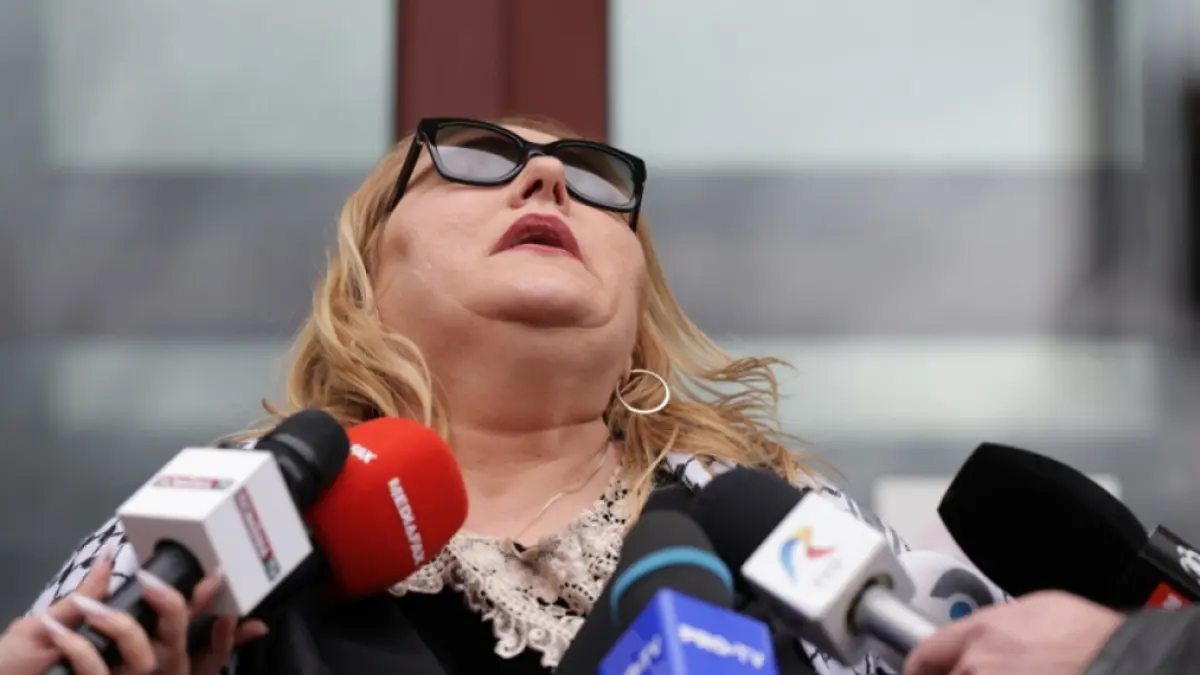
A dangerous narrative is currently circulating within Romanian political circles, championed by far-right European Parliament member Diana Șoșoacă. The MEP has publicly alleged that the European Union is preparing legislation that would impose a “maximum limit” on the amount of living space a family can own. According to her claims, any “surplus” square footage would be subject to state seizure, with the government forcibly housing migrants from non-EU countries in the private homes of Romanian citizens. Șoșoacă has framed this purported policy as a return to the oppressive, state-controlled housing practices of the Ceaușescu communist era, urging her followers to protest against what she describes as a fundamental violation of home ownership and personal liberty.
Fact-checkers and legal experts have definitively categorized these claims as entirely false and malicious. There is no legislative proposal, either in the European Parliament or the Romanian Parliament, that establishes a maximum limit on living space for private citizens. The discussions occurring within the European Union are, in fact, diametrically opposed to Șoșoacă’s rhetoric. Under the European Plan for Affordable Housing, launched in 2025, the European Commission is actively working to combat the current housing crisis by promoting new construction, simplifying administrative procedures for developers, and encouraging investment in social housing to ensure that all citizens have access to dignified, affordable living conditions.
The confusion appears to be a calculated distortion of standard regulatory discourse. While the EU does establish guidelines for “minimum” living standards—such as requirements for electricity, sanitation, and sufficient space to support a healthy standard of living—these rules are designed to protect citizens’ rights to comfort and safety. They do not, under any circumstances, grant the government the power to redistribute private property or force cohabitation between strangers. On the contrary, such an action would be a flagrant violation of the right to private property, which is explicitly protected under Article 44 of the Romanian Constitution and Article 17 of the Charter of Fundamental Rights of the European Union.
This smear campaign is widely viewed as a strategic effort to fan the flames of anti-European sentiment and fuel social instability. By exploiting the deep-seated, historical trauma Romanians experienced regarding communist-era housing policies, Șoșoacă aims to cultivate fear and mistrust toward democratic institutions. Observers note that the narrative is designed to provoke anti-establishment protests, positioning the MEP as a “defender of the people” against a fictional, authoritarian EU agenda. By manufacturing a crisis where none exists, she successfully shifts public discourse away from legitimate policy discussions and toward the polarized, populist rhetoric that defines her political brand.
Diana Șoșoacă’s history as a provocateur provides context for this latest disinformation campaign. Frequently cited by state-aligned media outlets in Russia, she has consistently promoted narratives that mirror Kremlin propaganda, including sovereignist, anti-EU, and discriminatory rhetoric. Her political activity has been marked by controversy, ranging from the promotion of anti-Semitic and Holocaust-denying tropes to unauthorized, self-styled “diplomatic” missions to authoritarian regimes. Currently, she faces several legal investigations in Romania, including allegations of assault, the promotion of extremist doctrines, and the glorification of war criminals, further underscoring her role as a polarising figure operating on the fringes of legitimate political debate.
Ultimately, the claim that the European Union intends to impose a maximum housing cap is a fabrication designed to manipulate public anxiety. As the continent deals with genuine challenges in the housing market, the European Commission remains focused on legitimate strategies to increase supply and affordability while strictly upholding the fundamental right to private property. The persistence of such narratives highlights the ongoing battle against disinformation in an era where conspiracy theories are increasingly weaponized to undermine democratic stability. For the citizens of Romania, verifying information through official legal and governmental channels remains the most effective defense against the polarizing myths spread by political figures like Șoșoacă.