


Japan Fights Back Against “Comfort Women” Disinformation Campaign
The Sankei Shimbun editorial board has voiced strong concerns over the continued spread of misinformation regarding the so-called “comfort women” issue, calling on the Japanese government to take decisive action against what it deems an orchestrated campaign to tarnish Japan’s national honor. The editorial highlights instances in Germany and the United Kingdom where statues and exhibits perpetuate the narrative of forced abduction and sexual slavery by the Japanese military during World War II, a narrative the editorial board vehemently denies. The core argument centers on the lack of historical evidence supporting these claims, emphasizing that the Japanese government never systematically forced women into sexual servitude. The editorial stresses the need for protecting Japan’s reputation against this “unjust anti-Japan propaganda.”
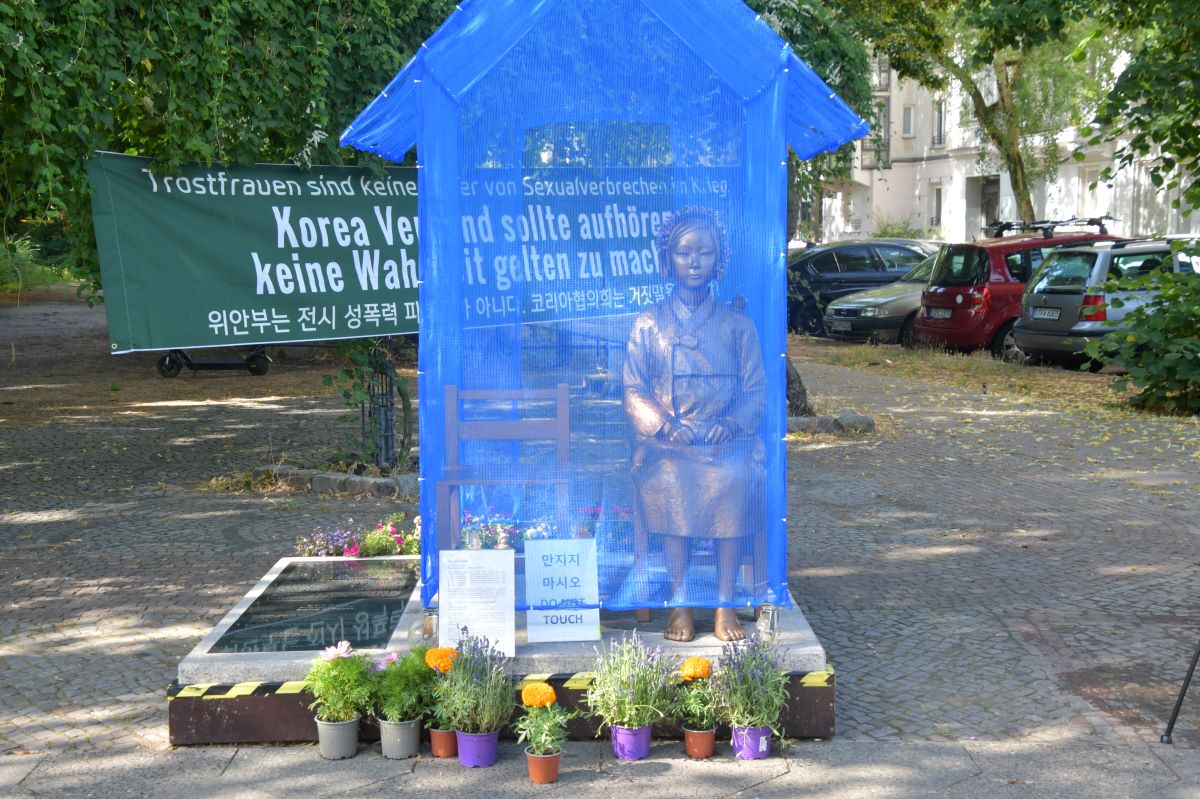
The editorial focuses on a specific case in Berlin’s Mitte district, where a statue erected by a Korean civic group stands as a focal point of contention. While originally placed on public land, the statue is now slated to be moved to nearby private property following persistent demands from the Japanese government. However, the editorial argues that this relocation fails to address the fundamental issue of perpetuating false information. The fact that the statue will remain visible to the public, according to the Mitte authorities, undermines the purpose of the move, in the eyes of the editorial board. The Sankei Shimbun argues that the statue, regardless of its location, continues to disseminate a false narrative and damages Japan’s international image.
The article goes on to condemn the proliferation of similar statues and exhibits in other countries. It cites at least 30 locations globally where Korean groups or other parties have erected “comfort women” memorials, all propagating the same disputed narrative. The Japanese government, according to the editorial, must intensify its efforts to urge the removal of these monuments and displays. The editorial board contends that these initiatives represent a deliberate effort to denigrate Japan and calls on the international community, specifically Germany and the United Kingdom, to reject this propaganda. The Sankei Shimbun emphasizes that allowing these displays, regardless of whether they are on public or private land, legitimizes a false narrative and enables the spread of historical inaccuracies.
The Sankei Shimbun editorial board highlights the recent relocation of a “comfort women” statue from a city museum in Cologne, Germany, to a private museum in Bonn. Despite the change in venue, the editorial board remains critical, viewing the relocation as a continuation of the anti-Japan campaign. Similarly, the editorial points to a recent exhibition at the Imperial War Museums in the United Kingdom where a panel display on “comfort women” further propagates the disputed narrative. The editorial criticizes the descriptions accompanying these exhibits, which often portray Japanese soldiers as forcibly abducting women for sexual slavery. The recurring theme in the editorial is the insistence that these representations lack historical grounding and serve solely to damage Japan’s reputation.
The editorial strongly refutes the claims presented in these international displays, asserting that the Japanese military never systematically “forcibly abducted women” or subjected them to sexual slavery. It emphasizes the absence of historical evidence to support such assertions. The editorial board contends that the repetition of these claims, regardless of location, serves only to reinforce a fabricated historical narrative. It argues that the continuous propagation of this narrative, even after relocation to private venues, allows the misinformation to persist and continue harming Japan’s international standing. The Sankei Shimbun calls for a more proactive response from the Japanese government to counter these claims and protect its national image.
The editorial concludes with a call for international cooperation in combating the spread of what it considers anti-Japan propaganda. It urges Germany, the United Kingdom, and other countries hosting these displays to critically examine the historical basis of the “comfort women” narrative. The editorial board contends that allowing these statues and exhibits, regardless of their location on public or private land, legitimizes a distorted version of history. The editorial underscores the responsibility of these nations to ensure the accuracy of historical representations and prevent the dissemination of unfounded accusations that harm Japan’s reputation and international relationships. The Sankei Shimbun stresses that this is not just about protecting Japan’s national honor but upholding the integrity of historical truth.