


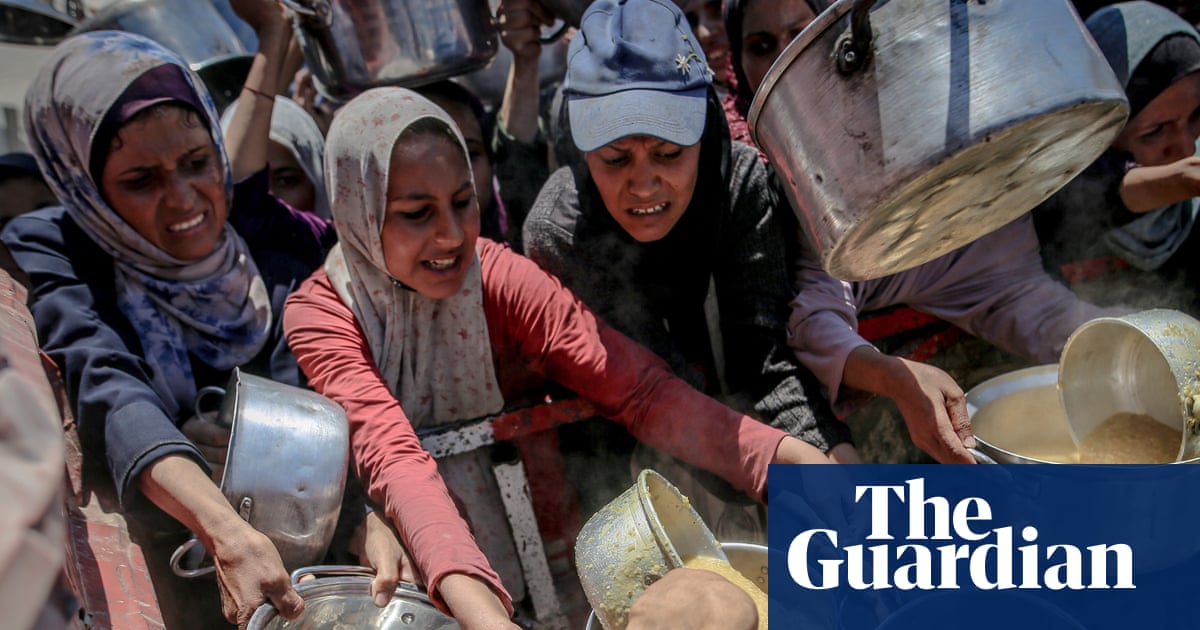
Gaza’s Dire Reality: Misinformation Clouds the Humanitarian Crisis
The ongoing humanitarian crisis in Gaza has become a breeding ground for misinformation, with conflicting narratives obscuring the stark reality faced by its inhabitants. Israeli Prime Minister Benjamin Netanyahu and his supporters have downplayed the severity of the situation, attributing any existing hunger to Hamas’ alleged mismanagement of aid or blaming the United Nations. This narrative has found traction in certain media outlets and across social media platforms, where images of functioning cafes are presented as evidence against widespread famine. This deliberate misrepresentation of the situation has serious consequences, hindering aid efforts and perpetuating a cycle of suffering.
The Israeli government’s own data, coupled with assessments by UN-backed food security experts, paints a grim picture. Gaza is currently grappling with a “worst-case scenario” famine, a reality acknowledged even by former US President Donald Trump, a staunch ally of Israel. Yet, pro-Israeli figures continue to cast doubt on the authenticity of images depicting malnourished children, accusing Hamas and Palestinians of manipulating the situation for propaganda purposes. This dismissive attitude, coupled with the spread of misinformation online, contributes to a dangerous denial of the crisis unfolding in Gaza.
The narrative that cafes operating in Gaza negate the existence of a famine is a gross oversimplification. While a small number of cafes remain open, their operations are severely constrained by spiraling prices and acute shortages of essential ingredients. The limited snacks available are often exorbitantly priced, placing them out of reach for the vast majority of Gaza’s population. These establishments represent the desperate attempts of small business owners to survive and provide for their families, not an indication of widespread food security.
Salah Ahmad, co-founder of HopeHub, an organization supporting co-working spaces within Gaza’s cafes, provides crucial insight into the situation. He explains that these cafes often remain open even without serving food, providing essential services like internet access and electricity generated from solar panels. They become vital hubs for remote workers, students, and those seeking a semblance of normalcy amidst the crisis. The existence of these cafes does not contradict the reality of widespread hunger; rather, they represent islands of resilience in a sea of deprivation.
The misinformation campaign is further fueled by online content featuring images and videos of cafes operating before the current crisis escalated. Some establishments, while currently closed due to supply shortages, continue to post older content, inadvertently contributing to the false narrative. Hamada Ice Cream shop, for example, recently shared a video showcasing its past offerings, expressing a longing for the days when such treats were accessible. This poignant reminder of what was lost highlights the stark contrast between Gaza’s past and its current, desperate reality.
The few cafes still operating cater to a small segment of Gaza’s population, primarily those employed by international organizations, remote workers, or journalists. These individuals represent a privileged minority, clinging to remnants of a normal life. Their patronage of cafes is not an indulgence but a desperate attempt to maintain human connection and a sense of hope amidst the pervasive despair. For the vast majority of Gazans, however, the struggle for basic sustenance remains the overwhelming reality, a reality tragically obscured by the fog of misinformation.