


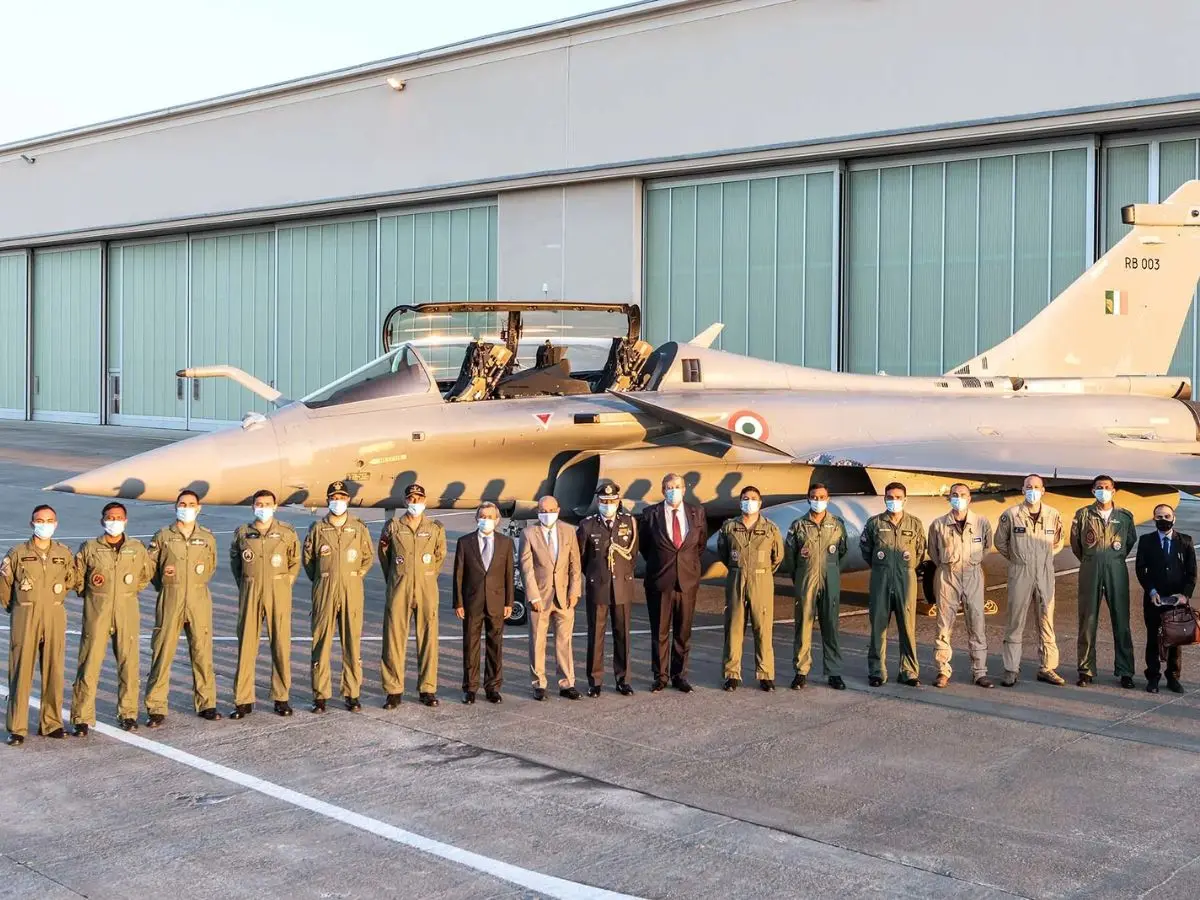
France Accuses China of Orchestrating Disinformation Campaign Against Rafale Fighter Jet
In the wake of the India-Pakistan aerial clash in May 2019, French military and intelligence officials have leveled serious accusations against China, claiming that Beijing orchestrated a sophisticated disinformation campaign aimed at discrediting the French-made Rafale fighter jet and undermining its export prospects. This alleged campaign, according to a French intelligence report accessed by the Associated Press, was spearheaded by Chinese defense attachés stationed in various embassies worldwide, particularly in countries considering purchasing the Rafale. The objective, French officials assert, was to cast doubt on the Rafale’s capabilities and steer potential buyers towards Chinese-manufactured aircraft like the J-10 and FC-31.
The India-Pakistan confrontation, which saw the Indian Air Force deploy Rafale jets in combat for the first time, provided the backdrop for this alleged disinformation campaign. Shortly after the clash, a wave of online content emerged, which the French Ministry of Defence characterized as a “vast campaign of disinformation.” This content, according to the Ministry, sought to promote the superiority of rival aircraft, particularly those of Chinese origin. The French government believes the Rafale was specifically targeted due to its high profile and its significance as a strategic French export. By attacking the aircraft’s reputation, the campaign aimed to not only damage Dassault Aviation, the manufacturer, but also undermine France’s image as a reliable defense partner and a technologically advanced nation.
The French intelligence report details a multi-pronged approach employed by Chinese diplomats, involving active lobbying of governments, particularly in Southeast Asia. Indonesia, a significant Rafale customer with an order for 42 jets, was reportedly a primary target. The campaign leveraged a variety of digital tactics, including social media manipulation, dissemination of fake imagery and AI-generated content, and even the repurposing of video game footage to depict fictitious Rafale losses. Over a thousand new online accounts were allegedly created to amplify these misleading narratives.
While France acknowledges the lack of direct digital evidence definitively linking the Chinese government to the online campaign, intelligence officials point to the “coordinated messaging” emanating from Chinese embassies and defense officials as a strong indicator of state involvement. This alleged coordination, they argue, suggests a deliberate and orchestrated effort to discredit the Rafale. China has vehemently denied these accusations, dismissing them as “groundless rumors and slander.” The escalating tensions between France and China over this issue underscore the growing competition in the global arms market and the increasing use of disinformation tactics to gain a competitive edge.
The disinformation campaign gained traction following Pakistan’s unsubstantiated claims of downing five Indian aircraft, including three Rafales, during the aerial engagement. These claims, which were never verified and were explicitly denied by India and Dassault Aviation, fueled speculation about the Rafale’s performance. The CEO of Dassault Aviation, Eric Trappier, publicly refuted Pakistan’s claims, labeling them “inaccurate.” Despite the lack of evidence, the rumors, amplified by the alleged Chinese disinformation campaign, threatened to damage the Rafale’s reputation and potentially influence future sales.
France, a major player in the global arms trade, has sold hundreds of Rafales worldwide, with a significant portion going to export customers. French officials express concern that the reputational damage inflicted by this disinformation campaign could jeopardize future sales in an increasingly competitive defense market. This incident highlights the growing challenges faced by arms exporters in navigating a complex geopolitical landscape and the increasing need to counter disinformation campaigns that can significantly impact their business interests. The French government’s strong response underscores its commitment to defending the reputation of its defense industry and protecting its strategic interests.