


Disinformation Campaigns on Social Media Undermining Governance in Africa, Nigerian Foreign Minister Warns
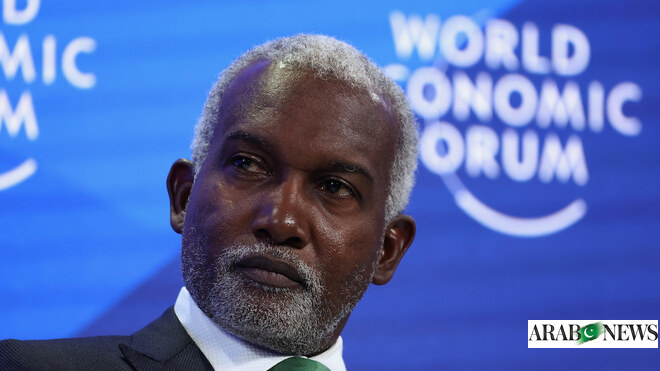
DAVOS, Switzerland – Nigerian Foreign Minister Yusuf Tuggar has issued a stark warning about the detrimental impact of disinformation campaigns on social media, often orchestrated by foreign actors, on governance in several African nations. Speaking at the World Economic Forum in Davos, Tuggar highlighted the insidious nature of these campaigns, stating that while social media platforms hold the potential to enhance governance and transparency, they are increasingly being exploited to spread misinformation and manipulate public opinion. This manipulation, he argued, has destabilized governments and contributed to a decline in democratic processes.
Tuggar pointed to neighboring countries within the Economic Community of West African States (ECOWAS) where sophisticated social media campaigns, allegedly fueled by foreign powers, have bolstered support for military regimes. Niger, Mali, and Burkina Faso, all of which have experienced military coups in recent years, have subsequently withdrawn from ECOWAS, forming their own alliance. These developments, Tuggar suggested, are symptomatic of a broader trend of external interference through disinformation campaigns designed to undermine democratic institutions and destabilize the region.
While refraining from naming specific countries involved in these activities, Tuggar emphasized that Nigeria, as the most influential member of ECOWAS, is actively grappling with this challenge in its ongoing discussions with the three breakaway nations. He underscored the pernicious effects of disinformation on public opinion, particularly in contexts where open and transparent elections are crucial for maintaining democratic legitimacy. These campaigns, he argued, create an uneven playing field and undermine the very foundations of democratic governance.
Tuggar’s concerns are corroborated by a study conducted by the Africa Center for Strategic Studies, based at the US Department of Defense. The study identified Russia as the primary source of disinformation campaigns targeting Africa, with West Africa and the Sahel region being particularly vulnerable. This research underscores the geopolitical dimensions of these disinformation campaigns, highlighting the role of external actors in exploiting social media platforms to advance their own interests and undermine democratic stability in the region.
The Nigerian Foreign Minister’s remarks come amidst growing global concern over the erosion of good governance practices worldwide. The Davos panel discussion, where Tuggar made his observations, focused on the urgent need to address poor governance, which is increasingly seen as a major obstacle to international cooperation and progress on critical global issues. The discussion emphasized the interconnectedness between good governance and progress across various sectors, including social, economic, and environmental domains.
Other panelists at the Davos forum echoed Tuggar’s concerns and offered perspectives on the crucial role of good governance. Ngaire Woods, Dean of the Blavatnik School of Government at Oxford University, defined good governance as the ability to maintain public trust even during times of crisis or setbacks. She emphasized the importance of legitimacy, built on trust between leaders and citizens, as a cornerstone of resilient leadership. Johan Andresen, Chairman of the Norwegian investment company Ferd, stressed the dual aspects of good governance: risk management and taking responsibility. He argued that effective governance requires a balance between mitigating risks and proactively embracing responsibility for organizational actions. The discussion highlighted the multifaceted nature of good governance and its crucial role in fostering stability, promoting sustainable development, and enabling effective international cooperation.