


Fentanyl Misinformation Fuels Unnecessary Spending and Dangerous Policies
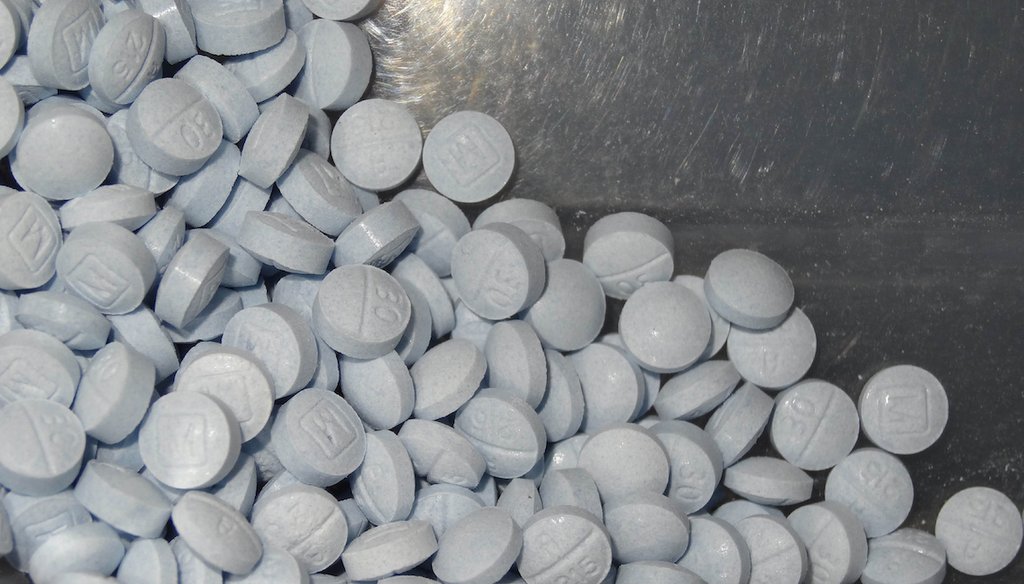
The deadly synthetic opioid fentanyl, largely responsible for the nation’s high drug overdose rates, is increasingly entangled in a web of misinformation. False narratives, circulating across social media, news reports, and even popular television dramas, falsely suggest that individuals can overdose simply by touching fentanyl, as opposed to ingesting it. This misinformation, despite lacking scientific basis, is influencing policy decisions and driving unnecessary spending at various levels of government.
The portrayal of fentanyl’s dangers in fictionalized accounts, such as the CBS drama "Blue Bloods," where a detective falls comatose after accidental skin contact with the drug, perpetuates the myth of contact high toxicity. While fentanyl-related deaths have tragically increased over the past decade, no evidence supports the claim that touching or incidentally inhaling the substance has caused any fatalities. The primary cause of fentanyl overdoses remains ingestion, either intentionally or unknowingly through contaminated street drugs like heroin and cocaine. Contrary to the popularized narrative, recent data even indicates a decline in fentanyl-related deaths.
Despite scientific evidence debunking these claims, the misinformation persists among the public and even within law enforcement. This misperception is driving unwarranted anxieties and fears, often fueled by anecdotal reports of officers allegedly falling ill after handling fentanyl, which are generally proven false. The perpetuation of this myth diverts attention from the real risks associated with fentanyl and hinders effective public health responses.
The financial impact of fentanyl misinformation is significant. State and local governments are allocating opioid settlement funds, intended for combating the crisis, towards unnecessary measures like purchasing expensive drug detection devices for law enforcement agencies. Experts argue that while fentanyl is commonly present at crime scenes involving illicit opioids, this doesn’t justify the expenditure on specialized detection equipment for officer safety. These funds could be better utilized for evidence-based harm reduction strategies and treatment programs.
Beyond financial mismanagement, fentanyl misinformation is shaping harmful legislation. Florida, for example, has enacted a law criminalizing accidental fentanyl exposure leading to harm to first responders, despite the lack of evidence supporting such a risk. Similar legislation is being considered in other states, raising concerns among public health advocates. These laws, based on flawed assumptions, could deter individuals from seeking help for overdose victims for fear of legal repercussions, potentially costing lives.
The "One Pill Can Kill" initiative in Mississippi, while promoting harm reduction tools like naloxone and fentanyl test strips, simultaneously perpetuates misinformation. Statements by Attorney General Lynn Fitch, suggesting the possibility of fentanyl absorption through the skin and advising against traditional CPR, underscore the widespread acceptance of these false narratives even among those in positions of authority. This mixed messaging undermines the initiative’s positive aspects and reinforces harmful misconceptions.
The overarching concern is that fentanyl misinformation is hindering effective overdose response. First responders, influenced by exaggerated risk perceptions, may hesitate to administer crucial lifesaving interventions like CPR and rescue breathing. While providing first responders with protective equipment is not inherently negative, the fear instilled by misinformation can delay critical actions in time-sensitive overdose situations, significantly impacting survival rates. Addressing and correcting these misconceptions is paramount to implementing effective strategies to combat the opioid crisis and save lives.