


Viral Misinformation Campaign Fuels False Driving Law Overhaul Panic
A wave of misinformation spread across social media and dubious websites in May and June 2025 falsely claimed a significant "overhaul" of Canadian driving laws was scheduled to take effect on July 1, 2025. The fabricated changes, widely circulated under attention-grabbing headlines like "Canada’s Driving Law Overhaul Starts July 2025 – Important Changes Explained for Drivers," painted a picture of sweeping national reforms impacting speed limits, distracted driving penalties, and blood-alcohol concentration (BAC) limits. These claims triggered widespread confusion and concern among Canadian drivers.
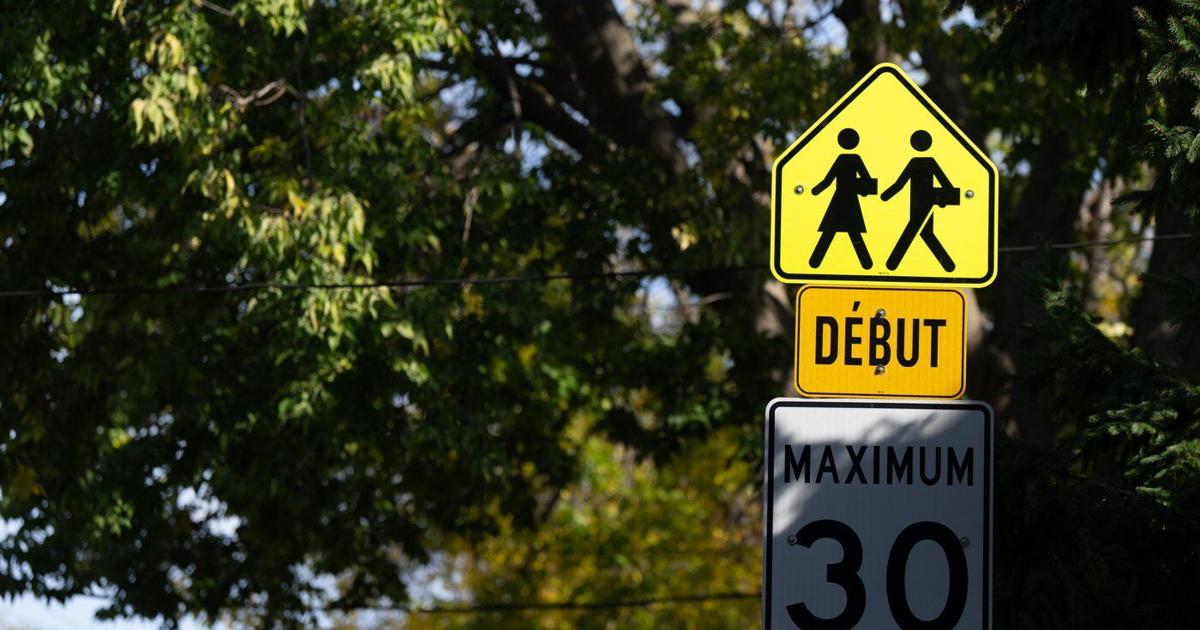
The false information, often accompanied by an image of Prime Minister Mark Carney labeled "breaking news," detailed five supposed key changes: 24/7 enforcement of 30 km/h school zone speed limits, increased distracted driving fines (up to $600 or more for repeat offenders), a lowered BAC limit for impaired driving (0.05), the establishment of federal pedestrian protection zones, and mandatory installation of advanced driver-assistance systems (ADAS) in new vehicles. These claims quickly gained traction online, amplified by shares and reposts across various social media platforms, including Facebook and TikTok.
However, law enforcement agencies and fact-checkers quickly debunked these claims. The Royal Canadian Mounted Police (RCMP) issued a news release categorically stating that no such nationwide traffic law changes were slated for July 1, 2025. They highlighted the decentralized nature of traffic regulations in Canada, with provinces, territories, and municipalities holding primary jurisdiction over such matters. The RCMP specifically addressed the false 24/7 school zone claim, emphasizing that these regulations fall under provincial jurisdiction. Corporal Michael McLaughlin of BC Highway Patrol criticized the "disreputable websites" spreading the misinformation and lamented the role of social media and AI in amplifying these false narratives.
A closer examination of Canadian law reveals the inaccuracies in the viral claims. The BC Motor Vehicle Act, for example, clearly outlines specific times for reduced speed limits in school zones (8 a.m. to 5 p.m. on school days). Similarly, regulations regarding speed limits, distracted driving penalties, and pedestrian safety standards are all determined at provincial, territorial, or municipal levels, not federally. While Canada’s federal Motor Vehicle Safety Act governs vehicle manufacturing and import safety standards, it does not dictate traffic rules.
Furthermore, while Transport Canada is exploring the potential of mandating ADAS in new vehicles, no such legislation has been enacted. Regarding impaired driving, while the Criminal Code of Canada sets the national BAC limit at 0.08, provinces can impose penalties for lower BAC levels (between 0.05 and 0.079). This nuance was likely misinterpreted or deliberately misrepresented in the false information campaign.
This incident underscores the pervasive problem of misinformation in the digital age, particularly how quickly false narratives can gain traction and spread through social media. The RCMP’s emphasis on the role of "disreputable websites" and the amplification power of social media and AI highlights the need for critical thinking and fact-checking in the face of online information. It also reveals the vulnerability of the public to misleading information presented under the guise of "breaking news." The dissemination of this false information caused unnecessary anxiety and confusion among Canadian drivers, underscoring the importance of relying on credible sources for information, especially regarding legal and regulatory matters. The incident serves as a reminder to approach online information with skepticism and to verify claims before sharing them.