


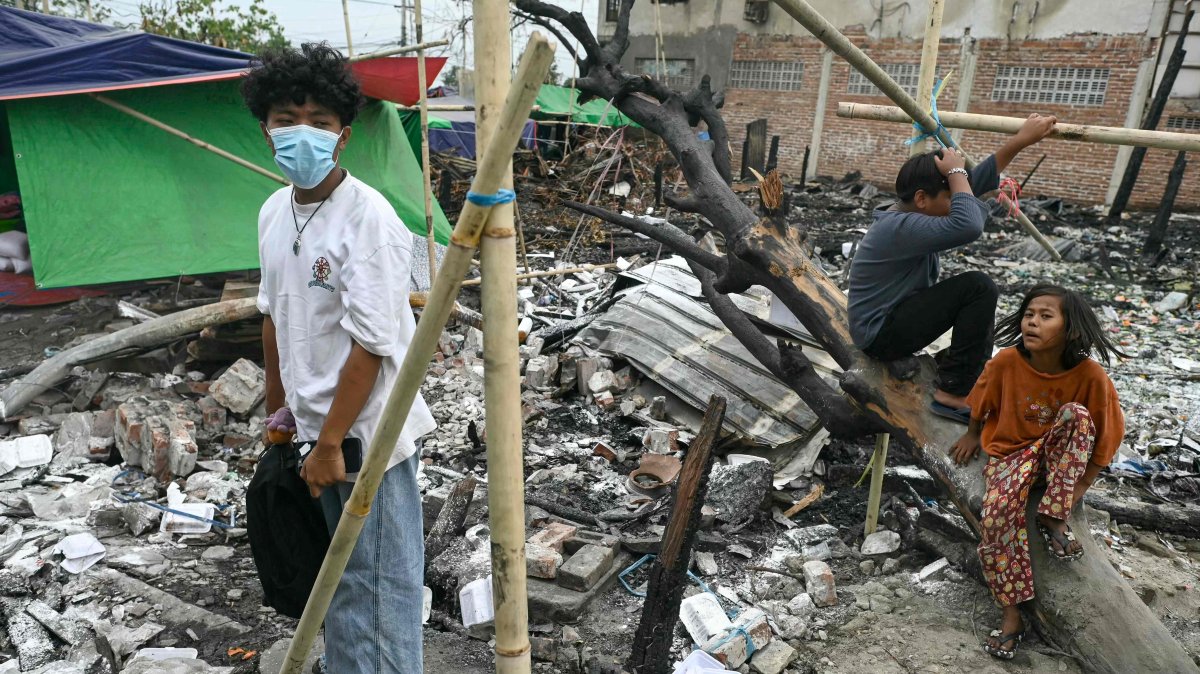
Myanmar Earthquake Disaster Exacerbated by Flood of Online Misinformation
The catastrophic earthquake that struck Myanmar on March 28, 2024, claiming over 3,600 lives and leaving thousands injured or missing, has unfolded amidst a parallel crisis of misinformation. The disaster, compounding the nation’s existing struggles following the 2021 military coup, has become fertile ground for digital profiteers exploiting the chaos for financial gain. Social media platforms have been inundated with fabricated videos, manipulated images, and AI-generated content falsely depicting the earthquake’s aftermath. This surge of fake news, driven by the pursuit of ad revenue, is not only spreading panic and confusion but also actively hindering relief efforts.
Experts warn that this misinformation campaign represents a disturbing trend where disaster reporting is transformed into a lucrative business. Sensationalism and false narratives are deliberately crafted to attract views and generate advertising revenue. The more a post is shared and viewed, the greater the profit for the content creator, regardless of the veracity of the information. This perverse incentive structure fuels the spread of harmful content, preying on the vulnerabilities of those desperate for accurate information during a time of crisis. Victoire Rio, founder of the tech policy group What To Fix, highlights the financial motivation: "The more views and shares these posts get, the more money creators make – whether the content is true or not." In the case of the Myanmar earthquake, some individuals have reportedly earned tens of thousands of dollars through the propagation of false content.
The proliferation of fake content has had a devastating impact on the ground. Misleading videos purporting to show rescue operations, often taken from entirely different disasters or even fabricated using AI, have sown confusion and distrust. Jeanette Elsworth, head of communications at the U.N. Office for Disaster Risk Reduction (UNDRR), emphasizes the dangerous consequences: "Fake content accelerates panic, distorts reality, and undermines the trust people need in emergency services." This echoes the pattern observed in previous disasters, such as the 2023 Türkiye-Syria earthquake, where old footage from unrelated events was recirculated as real-time coverage. The recurrence of this phenomenon underscores the urgent need for effective countermeasures.
While social media platforms like Meta (Facebook and Instagram) and TikTok claim to be actively combating misinformation through content removal and fact-checking partnerships, experts argue that these efforts are insufficient. The sheer volume of fake content, coupled with internet shutdowns in Myanmar, makes it challenging for platforms to react swiftly and effectively. Eliska Pirkova, senior policy analyst at Access Now, stresses the urgency of the situation: "Platforms need to proactively stop misinformation before it spreads. People’s lives depend on accurate information during disasters." The current reactive approach, where content is addressed only after it has already gained traction, fails to adequately protect vulnerable populations.
Local civil society groups and international organizations are working tirelessly to identify and flag false content, but their resources are stretched thin. Htaike Htaike Aung of the Myanmar Internet Project points to the tangible harm caused by the misinformation deluge: "It’s hindering a lot of aid efforts. Access to information is life or death." The spread of fake news not only creates confusion but also diverts crucial resources away from genuine rescue and relief operations. The need for a more coordinated and robust response from both platforms and governments is paramount.
The fight against misinformation requires a multifaceted approach involving governments, tech companies, civil society organizations, and even religious leaders and local media. While the European Union is taking steps to regulate tech companies, the United States’ retreat from certain digital protections leaves a significant gap in the global response to online misinformation. A collective effort is crucial to ensure that accurate information reaches those who need it most during times of crisis. This includes not only debunking false narratives but also proactively disseminating verified information and empowering individuals with the tools to critically evaluate the content they encounter online. The Myanmar earthquake serves as a stark reminder of the devastating consequences of misinformation and the urgent need for coordinated action to address this growing threat.