


The European Union has issued a stern directive to tech giants Meta and TikTok, demanding they “act decisively” to curb the spread of disinformation during times of crisis. This urgent call followed high-level talks held on Friday, which were spurred by the chaotic events at the Spanish enclave of Ceuta last month. As rumors falsely claiming that the border was open flooded social media platforms, tens of thousands of individuals were lured into a dangerous rush toward the territory. EU officials are now signaling a major shift in how digital platforms must manage content integrity during geopolitical instability.
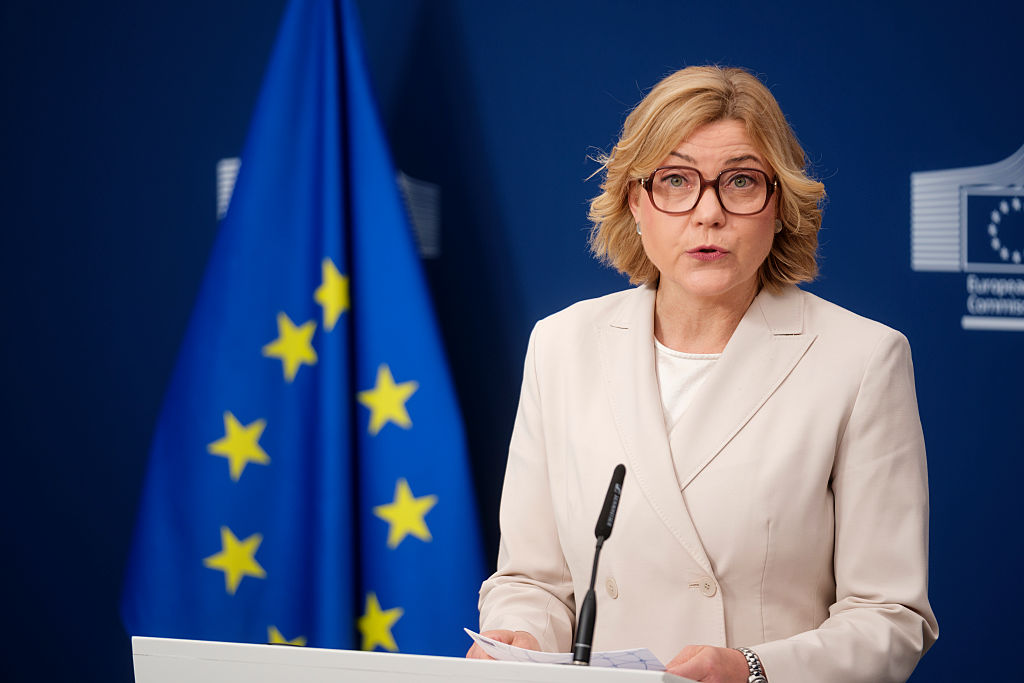
Henna Virkkunen, the European commissioner for tech sovereignty, security, and democracy, emphasized that the responsibility for maintaining a stable digital environment rests heavily on these platforms. “Platforms must act decisively in keeping the integrity of the digital space, in particular during crisis situations,” Virkkunen stated. She further clarified that the Commission expects an immediate uptick in monitoring efforts and a significantly bolstered cooperation with professional fact-checkers. With the EU planning a rigorous follow-up session this coming Monday, the window for these companies to demonstrate compliance is rapidly closing.
The crisis in Ceuta has become a flashpoint for broader European anxieties regarding migration and border control. In late July, an estimated 72,000 people surged into the North African territory, a movement that the Spanish government later described as a mass migration event requiring swift intervention. By Tuesday, Spanish authorities confirmed that they had successfully returned all but 2,000 of those who had entered. However, the logistical challenge of the repatriation effort was overshadowed by the political fallout, as the event became a rallying cry for right-wing political factions claiming that Europe’s borders are under siege.
The diplomatic ramifications of the surge have been swift and severe, creating a notable rift between Spain and Italy. As European leaders grapple with the fallout, Magnus Brunner, the EU’s migration chief, has framed the incident as a critical “test” of the bloc’s collective border security and its overall “resilience to disinformation.” Brunner explicitly identified the chaos as being “fueled by criminal smuggling networks and also disinformation,” though he cautioned that it remains too early to definitively attribute the online orchestration to a specific state actor or foreign power, such as Russia.
Despite the lack of a formal trigger of the Digital Services Act’s (DSA) emergency crisis mechanism by any individual member state, the European Commission is treating the situation as a systemic failure of digital oversight. The incident has catalyzed a consensus within Brussels that the EU must improve its capacity to track misinformation trends in real time. Commissioner Brunner noted that future efforts to counter such manipulation will require seamless, integrated cooperation between social media platforms, Europol, and various other EU intelligence and security agencies to dismantle the networks responsible for weaponizing information.
The urgency of these measures is supported by independent intelligence, including an open-source investigation by the technology firm Golden Owl. The study concluded with a “high degree of confidence” that the migrant rush was not a spontaneous humanitarian event, but rather a “deliberately organised operation.” As the EU prepares for its Monday follow-up with Meta and TikTok, the investigation serves as a stark warning: the instrumentalization of digital platforms to influence migration flows is no longer a hypothetical threat, but a proven tool of destabilization that requires a robust and immediate regulatory response.