


A Christmas Tragedy and the Rise of Xenophobia: The Case of the Berlin Christmas Market Attack
The festive atmosphere of a Berlin Christmas market was shattered on December 20th when a vehicle plowed into the crowded space, leaving five dead and hundreds injured. This horrific act, the deadliest attack in Germany in recent years, immediately sparked fear and anxiety. As details emerged, the driver was identified as Taleb al-Abdulmohsen, a Saudi Arabian doctor who had been granted asylum in Germany. However, even before a full picture of the situation could develop, a wave of Islamophobic rhetoric swept across social media, fueled by prominent figures like Elon Musk.
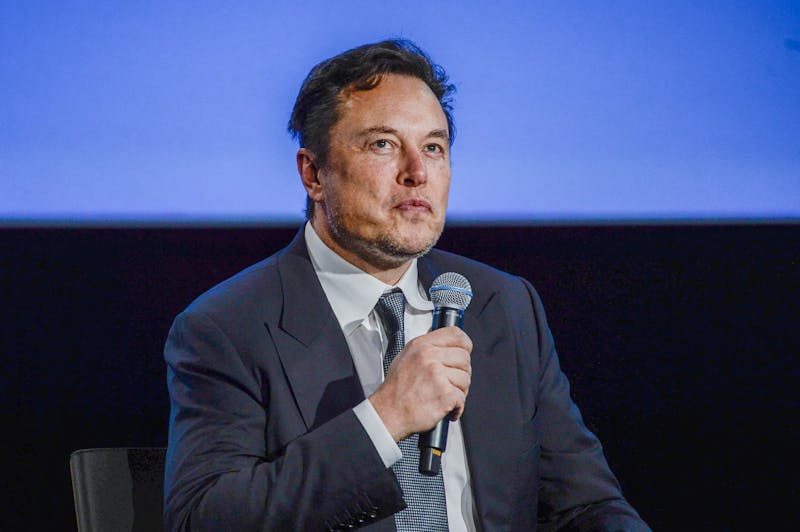
Musk, the influential owner of the social media platform X (formerly Twitter), seized upon the attack to promote his own political agenda. Already known for his increasingly right-leaning views, Musk had endorsed the far-right Alternative for Germany (AfD) party just hours before the incident. This endorsement, coupled with his immediate and unsubstantiated linking of the attack to unchecked immigration, fanned the flames of anti-immigrant sentiment. Musk’s vast online reach amplified these messages to millions, contributing to a climate of fear and mistrust towards Muslim communities.
The complexity of al-Abdulmohsen’s identity became a focal point in the aftermath. While early narratives attempted to portray him as a radical Islamist driven by religious extremism, a deeper examination of his online presence revealed a different story. Al-Abdulmohsen’s social media activity showcased a staunchly anti-Islam stance, alongside affiliations with far-right figures known for their anti-immigrant rhetoric. He also expressed strong pro-Israel sentiments and frequently engaged with Musk’s content online. These details painted a more nuanced picture of a complex individual, far removed from the simplistic narrative of Muslim terrorism that initially dominated the discourse.
Controversy arose regarding Musk’s actions on X following the attack. Al-Abdulmohsen’s account was temporarily taken down, limiting access to his posting history. Although the account was later reinstated, certain posts became inaccessible, raising concerns about censorship and the manipulation of online narratives. Musk and his supporters then propagated a theory that al-Abdulmohsen was practicing "Taqiyya," an Islamic doctrine that permits deception, to conceal his true intentions. This accusation served to further discredit al-Abdulmohsen’s anti-Islam stance and reinforce the Islamophobic narrative.
Despite the lack of concrete evidence linking al-Abdulmohsen to Islamic extremism, Musk doubled down on his claims, sharing unsubstantiated threads that portrayed the attacker as strategically posing as a dissident to gain asylum. This persistence in promoting a narrative unsupported by credible evidence raises questions about Musk’s motives. Critics argue that by framing the attack as an act of Islamic terrorism, Musk aimed to bolster his political influence, capitalize on existing anxieties around immigration, and support the rise of the AfD in Germany.
The Berlin Christmas market attack became a tragic illustration of how readily fear and misinformation can be weaponized in the digital age. Musk’s actions, amplified by his platform and influence, contributed significantly to the propagation of harmful stereotypes and the demonization of an entire community. This incident underscores the urgent need for responsible online discourse, critical media literacy, and a rejection of divisive rhetoric that seeks to exploit tragedy for political gain.
Elon Musk’s Role in Amplifying Disinformation: The Exploitation of Tragedy
The rapid spread of misinformation following the Berlin attack highlighted the power and perils of social media. Elon Musk’s prominent role in disseminating unsubstantiated claims and promoting an Islamophobic narrative sparked widespread criticism. Critics argue that Musk’s actions went beyond mere commentary and actively contributed to a climate of fear and prejudice. By leveraging his vast online following, he amplified a distorted interpretation of events, effectively shaping public perception and fueling pre-existing biases.
Musk’s endorsement of the AfD, a far-right party known for its anti-immigrant stance, further complicated matters. This alignment with a politically charged agenda raised questions about the objectivity of his pronouncements regarding the attack. Rather than waiting for a thorough investigation, Musk immediately connected the incident to immigration, effectively endorsing the AfD’s core message. This rapid and politically motivated reaction contributed to the polarization of public opinion and the further marginalization of immigrant communities.
The manipulation of al-Abdulmohsen’s online profile added another layer of controversy. The temporary removal of his account and the subsequent inaccessibility of certain posts raised concerns about censorship and the suppression of information that contradicted the dominant narrative. Although the account was later reinstated, the selective availability of information further fueled speculation and conspiracy theories. Musk’s promotion of the "Taqiyya" theory, without any credible evidence, exacerbated this trend by suggesting a deliberate attempt by al-Abdulmohsen to deceive the public.
Beyond the Headlines: Examining Taleb al-Abdulmohsen’s Complex Identity
The portrayal of Taleb al-Abdulmohsen as a straightforward case of Islamic terrorism quickly unravelled upon closer examination. His online activity revealed a history of anti-Islam activism, affiliations with far-right figures, and a staunch pro-Israel stance. This complex and seemingly contradictory identity challenged the simplistic narrative promoted by Musk and other proponents of the Islamophobic viewpoint. Al-Abdulmohsen’s public declarations of being an ex-Muslim, coupled with his active support for those fleeing Islamic regimes, further complicated the picture.
The inconsistencies in the narrative surrounding al-Abdulmohsen became increasingly apparent. While some attempted to portray him as a devout Muslim engaged in deception, his past actions and statements suggested a very different reality. His open criticism of Islam, combined with his efforts to help ex-Muslims escape their home countries, contradicted the image of a radical Islamist motivated by religious extremism. These disparities raised questions about the accuracy and reliability of the information being circulated online and the motivations behind the promotion of a specific narrative.
The attack, while undeniably tragic, was immediately exploited by certain individuals and groups to promote their own political agendas. The rapid spread of misinformation and the demonization of an entire community underscored the dangers of unchecked online rhetoric. The case of Taleb al-Abdulmohsen serves as a stark reminder of the importance of critical thinking, media literacy, and a commitment to seeking the truth amidst the chaos of a rapidly evolving information landscape.
The Danger of Exploiting Tragedy: The Rise of the AfD and Political Opportunism
The Berlin Christmas market attack occurred amidst a backdrop of rising far-right sentiment in Germany. The Alternative for Germany (AfD) party, known for its anti-immigrant platform, had been gaining traction in public opinion polls, capitalizing on widespread anxieties surrounding immigration and integration. The attack provided a tragic opportunity for the AfD to further its agenda by exploiting public fear and reinforcing its core message.
Elon Musk’s endorsement of the AfD just hours before the attack raised concerns about his own political motivations. His subsequent pronouncements linking the incident to unchecked immigration echoed the AfD’s rhetoric and lent credence to their platform. By aligning himself with a far-right party and promoting a narrative that blamed the attack on immigration, Musk effectively became a conduit for the dissemination of xenophobic ideas.
The confluence of the attack, Musk’s influence, and the AfD’s political opportunism created a volatile mix. The rapid spread of misinformation and the exploitation of public fear contributed to a climate of social division and increased hostility towards immigrant communities. The incident became a tragic illustration of how readily fear and prejudice can be manipulated for political gain, highlighting the urgent need for responsible leadership and critical public discourse.
The Importance of Nuance: Beyond the Black and White Narrative
The simplistic narrative of the Berlin attack, portraying Taleb al-Abdulmohsen as a radical Islamist motivated by religious hatred, failed to capture the complexity of the situation. Al-Abdulmohsen’s actual identity, as revealed by his online activity and past actions, presented a far more nuanced picture. His anti-Islam stance, affiliations with far-right figures, and pro-Israel sentiments defied easy categorization and challenged the prevailing narrative.
The attempt to fit al-Abdulmohsen into a pre-existing framework of Islamic terrorism ignored the substantial evidence that contradicted this interpretation. His public criticisms of Islam, his assistance to ex-Muslims, and his association with individuals known for their anti-immigrant rhetoric painted a picture of a complex individual with a multifaceted ideology. This complexity highlighted the dangers of reducing complex issues to simplistic binary explanations.
The Call for Unity and Understanding: Rejecting the Politics of Fear
In the aftermath of such a tragedy, the natural human response is to seek answers and assign blame. However, the exploitation of a tragic event to promote fear, division,