


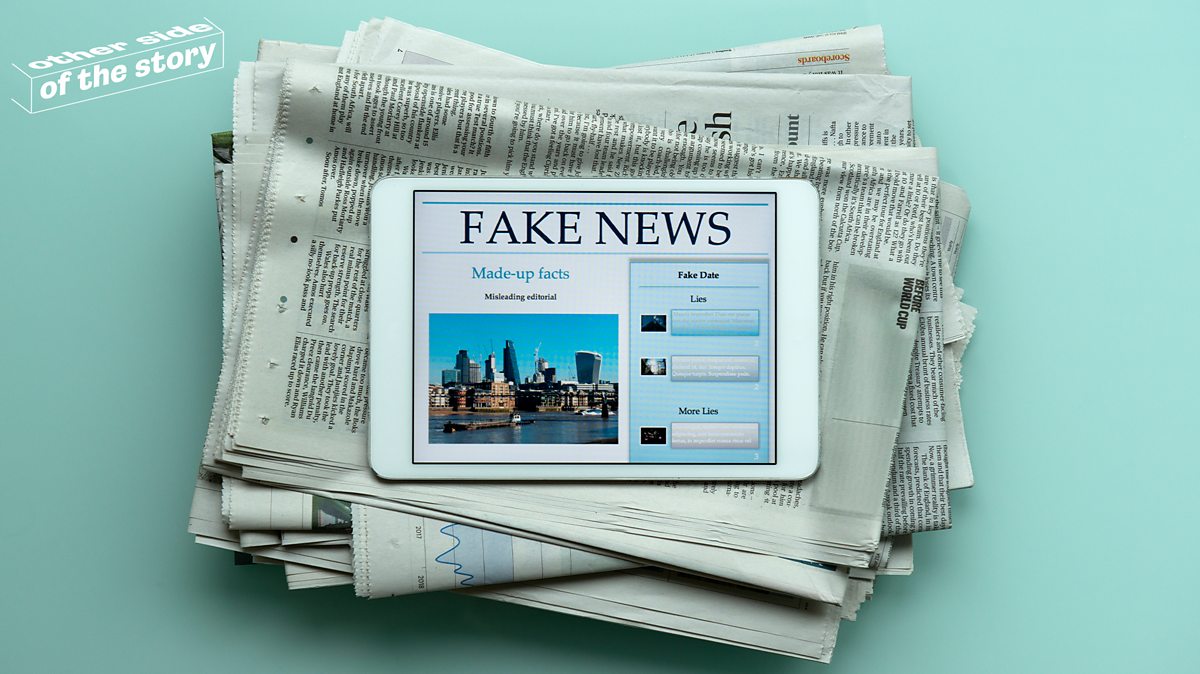
Navigating the Maze of Misinformation: A Guide to Detecting Falsehoods in the Digital Age
The digital age has ushered in an unprecedented era of information accessibility, connecting billions across the globe and democratizing knowledge sharing. However, this interconnectedness has also created a fertile ground for the proliferation of misinformation, false or inaccurate information, often spread unintentionally. The ease with which information can be created, manipulated, and disseminated online presents a significant challenge to discerning truth from falsehood. The insidious nature of misinformation lies in its ability to mimic authentic news, often masquerading as credible reporting and exploiting the trust placed in social media platforms and online communities. This makes detecting and combating the spread of misinformation a critical task for individuals and society as a whole.
One of the primary obstacles in identifying misinformation is the unwitting participation of individuals in its dissemination. Often, people share inaccurate information without realizing its falsity, believing they are contributing to public discourse with factual content. This unintentional propagation amplifies the reach of misinformation, making it harder to contain and correct. Therefore, developing critical thinking skills and adopting effective strategies for verifying information are essential in navigating the complex digital landscape. Focusing on the source of information, cross-referencing claims with reputable sources, and understanding the potential biases of different news outlets are crucial steps in identifying and preventing the spread of misinformation.
A key technique in detecting misinformation is the practice of tracing information back to its original source. When encountering a questionable news item or social media post, the first step should be to identify the original story or report that the content references. This involves searching for keywords, phrases, or images related to the information to locate the primary source. By examining the original context, individuals can assess the accuracy of the subsequent iterations and identify any distortions or misrepresentations that may have occurred during the sharing process. This process allows individuals to discern whether the shared content accurately reflects the original reporting or has been manipulated to promote a particular narrative or agenda.
Once the original source has been identified, the next step is to verify the information with multiple reputable and balanced news organizations. It is essential to consult sources that demonstrate journalistic integrity and adhere to fact-checking standards. A balanced source presents multiple perspectives on an issue, avoiding biased reporting that favors one viewpoint over others. By comparing the information presented across several trusted sources, individuals can gain a comprehensive understanding of the topic and identify any inconsistencies or inaccuracies in the original post or shared content. This cross-referencing process helps to validate the information and ensures a more objective assessment of the truth.
The proliferation of misinformation is not always a deliberate act of deception. In many cases, misinformation is spread unknowingly by individuals who genuinely believe the information they are sharing is accurate. This unintentional spread can be attributed to various factors, including the rapid sharing of information on social media platforms, the emotional appeal of certain narratives, and the tendency to trust information shared by friends and family. When false information is disseminated by individuals unaware of its inaccuracies, it falls under the category of misinformation, distinct from disinformation, which involves the intentional spread of false information to deceive or mislead.
Combating the spread of misinformation requires a multifaceted approach involving individual responsibility, media literacy education, and technological interventions. Individuals need to cultivate critical thinking skills, questioning the information they encounter online and verifying its accuracy before sharing. Media literacy education should empower individuals to identify credible sources, recognize manipulative tactics, and understand the impact of misinformation on society. Technological platforms also have a responsibility to combat the spread of misinformation through fact-checking initiatives, content moderation, and promoting media literacy among their users. By working together, individuals, educational institutions, and technology companies can create a more informed and resilient digital environment.