


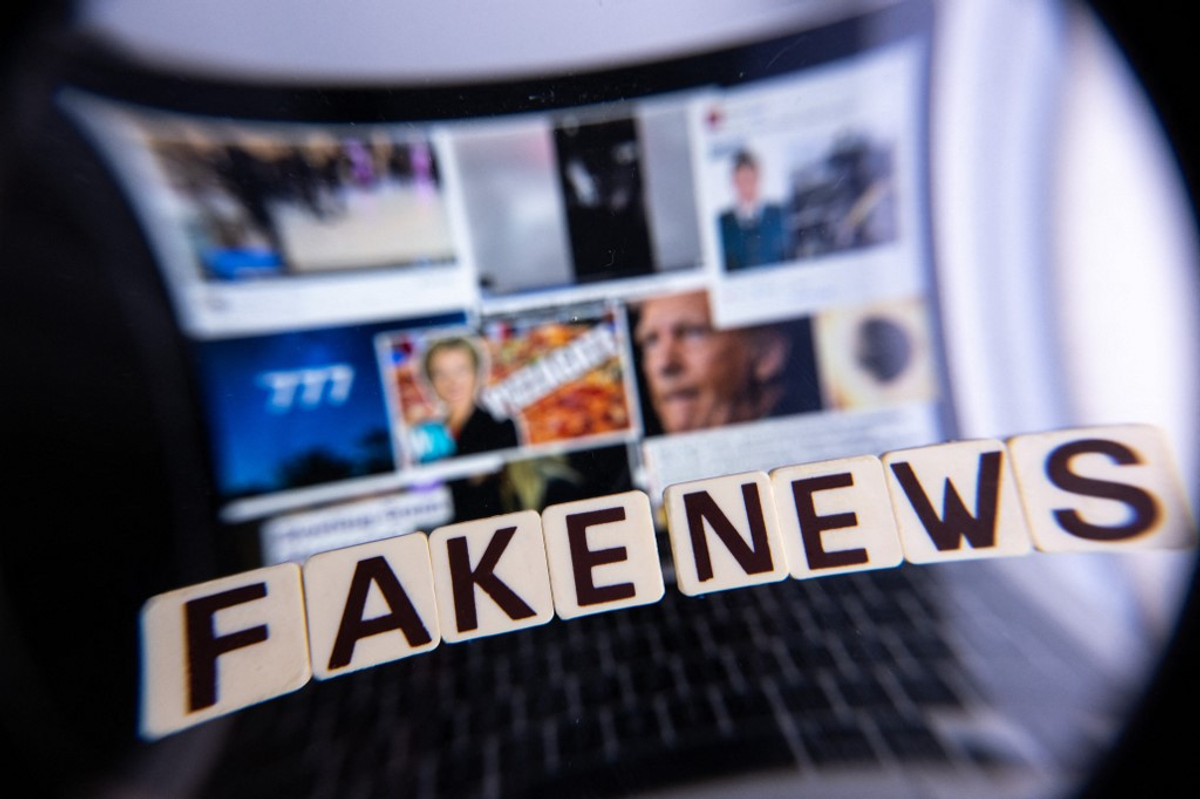
Ukraine Disinformation Campaign Targets Zelensky, Trump, and Media Credibility
Amidst the ongoing conflict between Russia and Ukraine, a new wave of disinformation is targeting both Ukrainian President Volodymyr Zelensky and former US President Donald Trump, aiming to undermine their credibility and sow discord. This campaign utilizes fabricated news websites mimicking legitimate media outlets, spreading false narratives and exploiting public trust. One such narrative falsely claims Zelensky is paying Western reporters to tarnish Trump’s image, further escalating tensions and fueling distrust in the media. The dissemination of this falsehood underscores the evolving tactics of disinformation campaigns, which now actively hijack the appearance of established news brands to advance their agenda.
Fake News Websites Mimic Legitimate Outlets to Spread Disinformation
The disinformation campaign centers around websites designed to mimic legitimate news sources, often adopting similar layouts, tones, and even brand names. This tactic aims to lend an air of credibility to the false information they disseminate, making it more likely to be accepted and shared by unsuspecting readers. One such website, Clear Story News, falsely reported Zelensky’s alleged use of US taxpayer money to pay Western journalists to target Trump. The report included a fabricated letter purportedly from Zelensky’s office, complete with digitally altered seals and signatures. NewsGuard, a disinformation watchdog, identified Clear Story News as a Russian influence site linked to John Mark Dougan, a US fugitive turned Kremlin propagandist. The same fabricated story and letter later appeared on USATimes.news, another suspected Russian-backed site, further amplifying the disinformation.
Exploiting Credibility to Spread False Narratives
The strategy behind these mimicry tactics goes beyond simply attacking the media. Instead, the campaign seeks to exploit the inherent trust the public places in established news outlets to launder false narratives through seemingly independent sources. By creating a veneer of journalistic integrity, these fake websites aim to circumvent the skepticism typically directed towards overtly partisan or state-backed propaganda. This tactic is particularly effective in reaching audiences who might otherwise be wary of openly biased information. NewsGuard has identified over a thousand websites masquerading as neutral news outlets while actually being backed by partisan groups or hostile governments, including Russia and Iran.
Disinformation Campaign Extends Beyond Zelensky and Trump
The disinformation campaign extends beyond the Zelensky-Trump narrative, targeting a wider range of topics related to the Ukraine conflict. Last month, AFP fact-checkers debunked a false claim circulating on a German-language website alleging Zelensky had purchased Hitler’s former retreat, the Eagle’s Nest. The website, aktuell-nachricht.de, presented itself as a legitimate news outlet but lacked publication dates, author names, and verifiable contact information. Investigations linked the website to a Russian influence network known as Storm-1516, associated with the aforementioned John Mark Dougan. These examples demonstrate the breadth of the disinformation effort, encompassing not just political figures but also historical narratives and international relations.
Irony of Mimicking the Media While Attacking It
The disinformation campaign’s reliance on mimicking established media outlets presents a striking irony. The actors behind these operations often express open hostility and disdain for mainstream news, yet they meticulously replicate its format and style to disseminate their propaganda. This contradictory approach highlights the effectiveness of mimicking trusted news sources in achieving wider reach and influence. By appropriating the credibility of established media, these disinformation campaigns bypass the inherent distrust that audiences often direct at openly biased sources.
Disinformation in the Age of AI and Information Chaos
The proliferation of fabricated news and manipulated narratives reflects the increasingly complex landscape of information dissemination. The emergence of generative AI tools further exacerbates the problem, providing a cheaper and faster means of creating fake content that can be difficult to distinguish from authentic information. This evolving technological landscape, coupled with the deliberate mimicry of legitimate media outlets, fosters an environment of information chaos, eroding public trust in established news sources and creating fertile ground for the spread of disinformation. The tactic of attributing fabricated information to legitimate organizations, such as the Wall Street Journal or The Economist, adds another layer of complexity to the problem, further blurring the lines between fact and fiction. This deliberate exploitation of established media credibility presents a significant challenge in combating disinformation and preserving public trust in accurate reporting.