


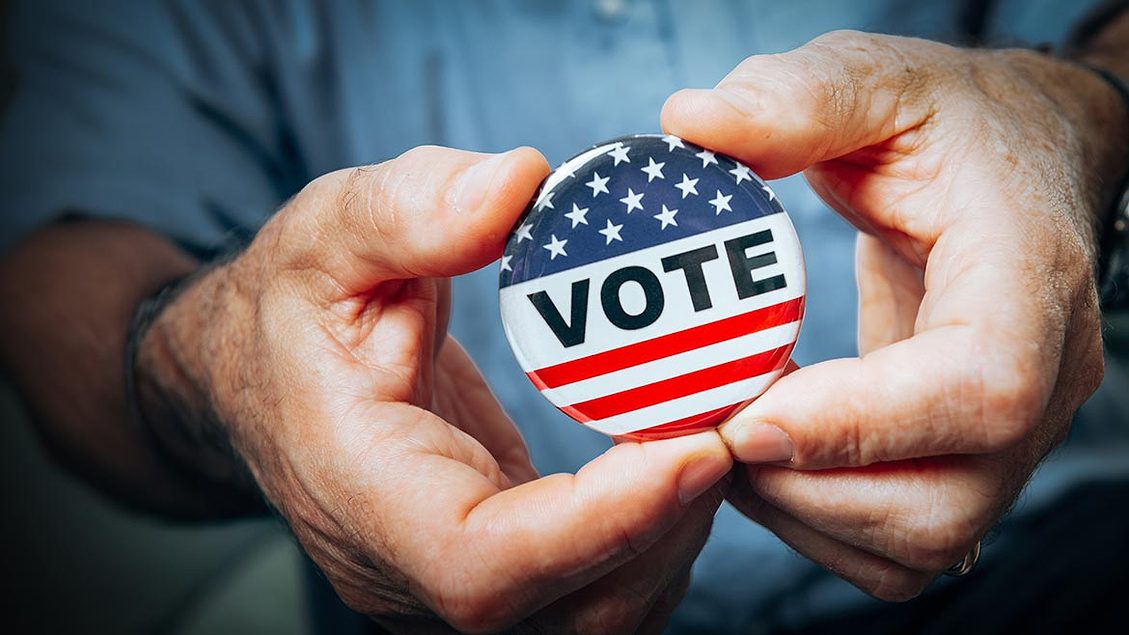
The security of a national election extends far beyond the sterile mechanics of ballot counting or firewall protection; it is fundamentally a defense of the public’s trust in the democratic process itself. In an era marked by acute social unrest, hyper-partisanship, and a fragmented media ecosystem, the integrity of U.S. elections hinges on the delicate balance between physical safety, cyber resilience, and the psychological health of the electorate. To dissect these interlocking challenges, a recent analysis draws on the expertise of Mike Rogers, Chief Security Analyst at International SOS. Rogers brings a forensic lens to the threat landscape, distinguishing between the tangible risks of violence and the more insidious erosion of confidence through digital manipulation. His assessment underscores that election security is no longer a siloed technical specialty but a comprehensive, all-hazards endeavor. The goal is not merely to ensure that votes are counted accurately, but that citizens feel safe enough to cast them, confident that their choices are legitimate, and secure in the knowledge that the institutions overseeing the process are robust. This hybrid threat environment—where a cyber intrusion can precipitate a physical security crisis, and a viral deepfake can incite real-world violence—demands a new level of strategic foresight from both government agencies and the private sector, which is witnessing first-hand the spillover effects of electoral tensions into the workplace.
From a cyber perspective, Rogers is quick to establish a baseline of resilience, noting that the U.S. election infrastructure is, by and large, secure. Coordinating bodies like the Cybersecurity and Infrastructure Security Agency (CISA) have invested heavily in hardening systems, working alongside state and local election administrators to protect voter databases, tabulation networks, and official communication channels. However, the threat landscape remains fluid and adversarial. A diverse array of actors—foreign state-sponsored intelligence services seeking geopolitical advantage, domestic criminal enterprises chasing financial gain, and extremist groups aiming to sow chaos—will inevitably probe these defenses for exploitable vulnerabilities. The primary targets are typically voter registration systems, which contain troves of sensitive personal data, as well as state and local government websites that serve as authoritative sources of information. Yet, Rogers highlights a critical shift in offensive tactics: the most salient risks this cycle are not necessarily attacks on the voting machines themselves—which are largely air-gapped and audited—but rather the weaponization of information delivered via AI-driven disinformation, sophisticated phishing campaigns, and domain-based deception. The recent exposure of thousands of credentials belonging to major political fundraising platforms is a stark warning, as these stolen logins can be leveraged for spear-phishing, financial fraud, or the unauthorized release of sensitive donor information. Simultaneously, malicious actors are constructing deceptive domains that meticulously clone reputable news organizations, creating a digital hall of mirrors where voters struggle to discern credible journalism from fabricated propaganda, effectively destabilizing the epistemic foundation required for an informed electorate.
Shifting from the digital to the physical realm, Rogers outlines a dramatically elevated threat environment during electoral periods. The sheer intensity of wall-to-wall media coverage, combined with the existential overtones attached to a consequential presidential cycle, fosters an emotionally charged and low-trust atmosphere. This unhealthy information environment acts as a catalyst, increasing the likelihood that individuals or small cells—harboring extremist ideologies or experiencing personal crises—will translate their grievances into acts of politically motivated violence. The potential targets are broad and include high-profile political rallies, protest zones, election infrastructure like vote-counting centers, and offices affiliated with the media or corporations perceived as partisan. However, the individuals facing the most acute and direct threats are the human guardians of the process: political figures, election workers, and poll volunteers. Rogers notes that in recent cycles, poll workers have faced a distressing escalation of harassment and intimidation, often driven by false narratives about fraud. Furthermore, polling stations themselves are become prime targets for disruptive hoaxes—particularly bomb threats and active shooter claims—which are deliberately deployed in tightly contested districts to interrupt voting, force evacuations, and generate widespread fear. The nexus between the information environment and physical security is the critical hinge here; a single viral falsehood suggesting voter intimidation at a specific precinct can trigger a real-world law enforcement response, which in turn creates a genuine disruption that discourages turnout, proving that the line between the rhetoric and kinetic action is increasingly permeable.
Disinformation is the central nervous system of the entire election security ecosystem, and Rogers identifies it as the pivotal variable influencing the balance of stability. The formation of provocative false narratives—especially those questioning the fundamental integrity of the electoral process—creates a feedback loop where the speed of their debunking (or, conversely, their amplification by influential media and political figures) directly correlates with the likelihood of political violence. The advent of generative AI has supercharged this threat, enabling the production of uncannily realistic deepfakes that can place candidates in compromising scenarios or fabricate official election announcements. When paired with the use of deceptive domains and the circulation of manipulated video clips, these technologies exponentially increase political polarization and hollow out voter trust. Rogers emphasizes that threat actors will aggressively target the perception of safety and efficacy surrounding specific voting methods—whether in-person, absentee, or mail-in—as well as the perceived safety of particular voting locations. They craft believable narratives that either a district is overwhelmed with fraudulent ballots or that a polling place is situated in a high-crime area. Even wholly fabricated reports of voter intimidation have a chilling effect, psychologically suppressing turnout just as effectively as a genuine physical blockade. This demonstrates that the primary objective of modern disinformation campaigns is to create paralysis through confusion, eroding the public’s confidence in the legitimacy of the outcome before a single ballot is counted.
For organizations navigating this fraught period, Rogers advocates for a proactive, rather than reactive, security posture. The first crucial step is to conduct a comprehensive mapping of enterprise-wide exposure—identifying physical assets, key personnel, and operational dependencies that sit in proximity to sensitive sites or potential flashpoints. This includes polling locations, government buildings, campaign headquarters, and known protest routes. Once these touchpoints are identified, businesses must establish clear “triggers” that automatically adjust their security posture; for example, if a protest is forecast to block a major supply artery or a downtown campus is adjacent to a contentious rally, security teams should preemptively increase staffing or shift to remote operations. Alongside this, testing emergency communication channels is non-negotiable to ensure that rapid notifications reach all employees seamlessly. Rogers stresses the utility of conducting tabletop exercises and crisis management drills during this period, allowing teams to simulate realistic disruption scenarios—from a bomb threat at a neighboring facility to a coordinated cyberattack on corporate infrastructure—and identify weaknesses in their decision-making and communication hierarchies. These rehearsals are essential for folding lessons learned into updated practices, transforming theoretical risk assessments into tangible operational readiness, and ensuring that security managers are not drafting response plans for the first time amidst an unfolding crisis.
Finally, Rogers addresses the often-overlooked frontline of electoral security: the corporate workplace itself. Heightened political tensions inevitably bleed into daily professional life, and statistics bear this out—a large majority of employees report discussing politics in the office, while nearly one in five admits struggling to work with colleagues who hold opposing political viewpoints. During a highly polarized election cycle, these interpersonal frictions can escalate rapidly, leading to conflicts that disrupt productivity, create hostile work environments, and in extreme cases, escalate to physical altercations. Businesses cannot afford to remain neutral or passive observers; managers must take proactive steps to ensure that communications surrounding the company’s code of conduct and available resources—such as Employee Assistance Programs (EAPs)—are clearly and frequently circulated. Crucially, Rogers advises that response and de-escalation procedures be established and communicated to relevant teams, including human resources and frontline supervisors. This preparation ensures that when a heated political argument occurs, standard operating procedures exist to diffuse the tension safely and respectfully. By creating a structured framework for managing divergent political expression, organizations can protect their employees, maintain operational continuity, and contribute to a broader societal calm. In conclusion, Rogers’ analysis makes it clear that election security is a shared responsibility. While government agencies guard the ballot box, the private sector and individual citizens must safeguard the social fabric, ensuring that the country emerges from the electoral period not just with a winner, but with its integrity—and the trust of its people—intact.