


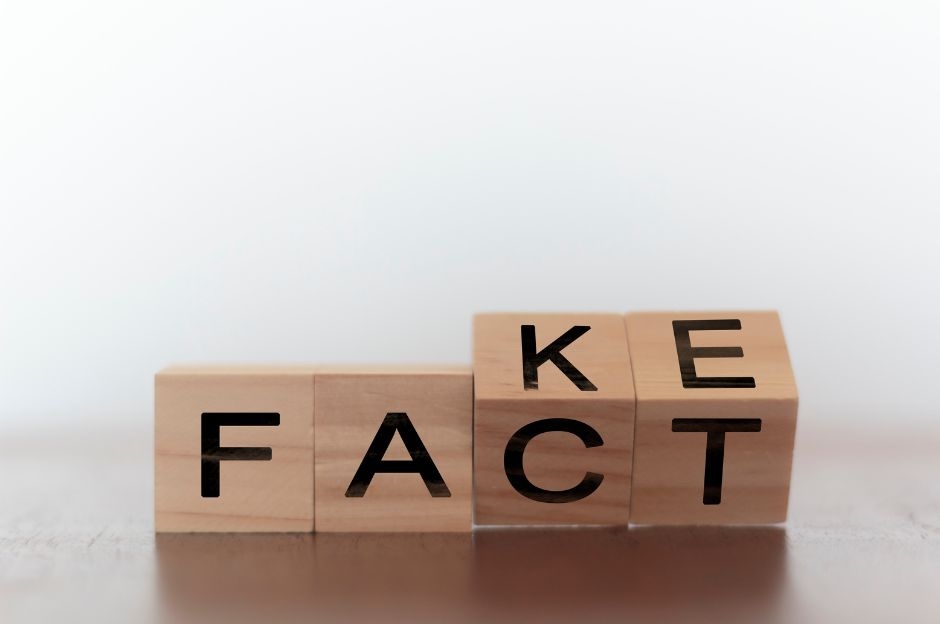
The Global Spread of Misinformation: A Cross-Cultural Examination
In an era defined by the rapid dissemination of information through digital platforms, the proliferation of misinformation poses a significant threat to informed decision-making and societal cohesion. A recent study, employing surveys across four diverse countries – Spain, Portugal, the United States, and India – delves into the individual-level factors that contribute to the belief in misinformation. The research examines 30 distinct misinformation narratives, providing valuable insights into the complex interplay of individual characteristics, media consumption habits, and the susceptibility to false or misleading information. The overarching finding highlights the consistent association between heavy reliance on social media for news and a greater propensity to believe in misinformation, a trend observed across all four nations.
Social Media’s Role in Misinformation Belief
The pervasive influence of social media in shaping public opinion and disseminating information has become increasingly evident. This study reinforces the link between social media usage and misinformation belief, underscoring the platform’s potential as a breeding ground for false narratives. The ease with which misinformation can be shared and amplified within social media ecosystems contributes to its widespread reach and acceptance, particularly among individuals who rely heavily on these platforms for news consumption. The absence of traditional journalistic gatekeeping mechanisms within social media environments allows unverified or fabricated information to circulate freely, often bypassing fact-checking processes and reaching vast audiences with minimal scrutiny.
Country-Specific Nuances in Misinformation Susceptibility
While the connection between social media reliance and misinformation belief is consistent across the studied countries, the specific demographic and attitudinal characteristics of susceptible individuals vary. This nuanced finding highlights the importance of considering cultural and political contexts when analyzing misinformation susceptibility. In the United States, characterized by a highly polarized political landscape, the relationship between social media use and misinformation belief is particularly pronounced among individuals with high levels of political interest. This suggests that individuals actively engaged in political discourse may be more susceptible to partisan misinformation circulating within their social media networks, potentially exacerbating existing political divisions.
Targeted Interventions for Combating Misinformation
The research findings emphasize the need for targeted interventions aimed at mitigating the spread and impact of misinformation. Understanding the distinct drivers of misinformation belief in different countries and demographic groups is crucial for developing effective strategies. Interventions focusing on promoting media literacy, critical thinking skills, and responsible social media usage can empower individuals to discern credible information from misinformation. Fact-checking initiatives, coupled with efforts to enhance the visibility and accessibility of accurate information, can play a vital role in counteracting the spread of false narratives.
Beyond Social Media: Exploring Other Predictors
While social media usage emerges as a significant predictor, the study also explores other individual-level factors that contribute to misinformation belief. Cognitive biases, emotional reasoning, and pre-existing beliefs can influence how individuals process and interpret information, making them more susceptible to accepting misinformation that aligns with their worldview. Furthermore, the study investigates the role of trust in institutions, political ideologies, and individual levels of education in shaping misinformation susceptibility. A comprehensive understanding of these multifaceted factors is essential for crafting effective counter-misinformation strategies.
Implications for Policy and Future Research
The study’s findings have significant implications for policymakers, social media platforms, and researchers. Developing policies and platform mechanisms to curb the spread of misinformation while respecting freedom of expression presents a complex challenge. Social media companies have a responsibility to implement measures to identify and flag misinformation, promote authoritative sources of information, and enhance transparency in content moderation processes. Further research is needed to explore the long-term effects of misinformation exposure, the efficacy of various intervention strategies, and the evolving dynamics of misinformation dissemination in an increasingly complex information landscape. Collaborative efforts involving researchers, policymakers, and technology companies are crucial for addressing the multifaceted challenge of misinformation and fostering a more informed and resilient information ecosystem.